
Vegetables
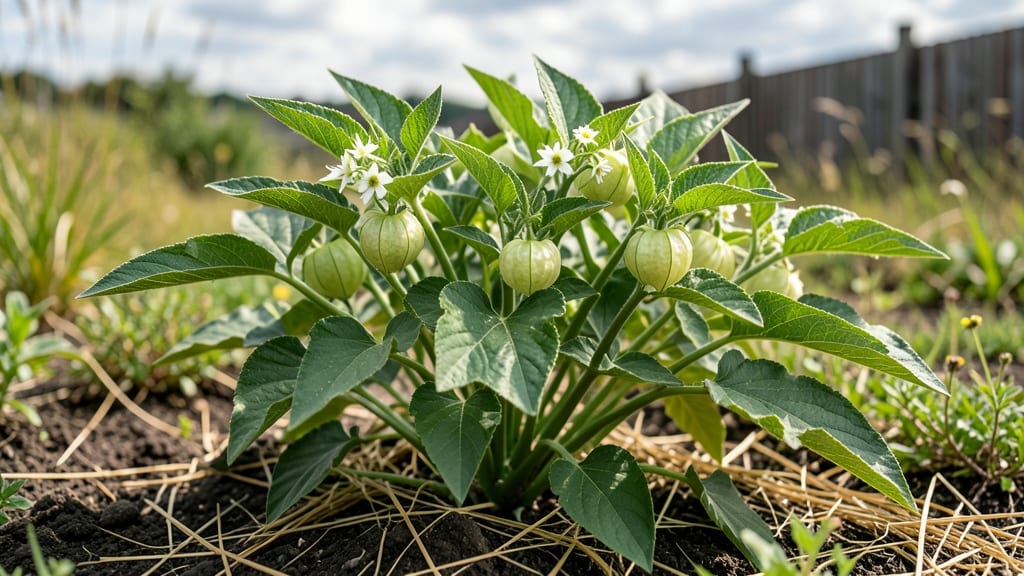
Tomatillos aren't true perennials but act like tender perennials in warm climates, where they die back each winter only to regrow from their root system once temperatures climb above 50°F.
This behavior makes them unique among vegetables. Unlike true perennials like asparagus or rhubarb, which survive winter above ground, tomatillos rely on their underground roots to persist. 🌱 In regions with mild winters, they'll often resprout without extra care, while colder climates require protective measures.
Their tropical origins explain why they can't tolerate frost—they're more like basil than strawberries in their growth habits.
What sets tomatillos apart is their ability to regenerate from just a few inches of remaining root, even after complete die-back. This makes them excellent candidates for container growing in cooler areas, where you can bring them indoors during winter months.
The key to success lies in understanding their 50°F threshold—any colder, and you'll need to take active steps to protect them.
💡 In This Article
- Tomatillo Growth Cycle: Why They Die Back Annually
- How to Overwinter Tomatillos in Cold Climates
Tomatillo growth cycle: why they die back annually
The tomatillo's annual die-back stems from its tropical origins in Mexico and Central America, where temperatures rarely drop below 50°F. This plant belongs to the nightshade family (Solanaceae) alongside tomatoes and peppers, but unlike its hardier cousins, tomatillos lack the genetic adaptations for cold survival.
Their above-ground growth freezes solid when exposed to frost, but the real magic happens underground where the root system remains dormant yet alive, waiting for warmth to return.
What makes this possible is the tomatillo's fibrous root structure, which stores enough energy to fuel regrowth when conditions improve. Think of it like a hibernating bear—just a few inches of root can contain enough reserves to produce new shoots once temperatures climb above 55°F.
This resilience explains why you'll often see tomatillos resprouting from old plantings in spring, even after complete winter kill. The process mirrors other tender perennials like basil or okra, which also rely on root survival rather than above-ground persistence.
This growth cycle differs fundamentally from true perennials like asparagus or rhubarb, which maintain their foliage through winter. Tomatillos are more like tropical plants that have evolved to conserve energy during dry seasons rather than cold ones.
Their strategy involves complete above-ground die-back followed by rapid regrowth when moisture and warmth return—a survival tactic that works beautifully in zones 8-11 but requires human intervention in cooler climates.
The 50°F threshold isn't arbitrary—it represents the minimum temperature where root cells can resume metabolic activity. Below this point, cellular damage occurs, and the plant's survival becomes uncertain.
What's fascinating is how quickly they respond to warming: within 2-3 weeks of spring temperatures consistently above 60°F, you'll often see new shoots emerging from the same root system that survived winter.
This annual cycle also explains why tomatillos produce fruit only in their second year or later. The energy invested in establishing a robust root system during the first growing season pays off in subsequent years when the plant can focus on flowering and fruiting.
In ideal conditions, a mature tomatillo plant can live for 3-5 years, continuously producing fruit each season from the same root base.
For gardeners in colder regions, understanding this cycle is crucial. The plant's ability to regenerate from roots means you're not starting from scratch each year—you're simply giving the existing root system the right conditions to thrive again.
This persistence is what makes tomatillos such rewarding plants for those willing to work with their natural growth patterns.