
Plants
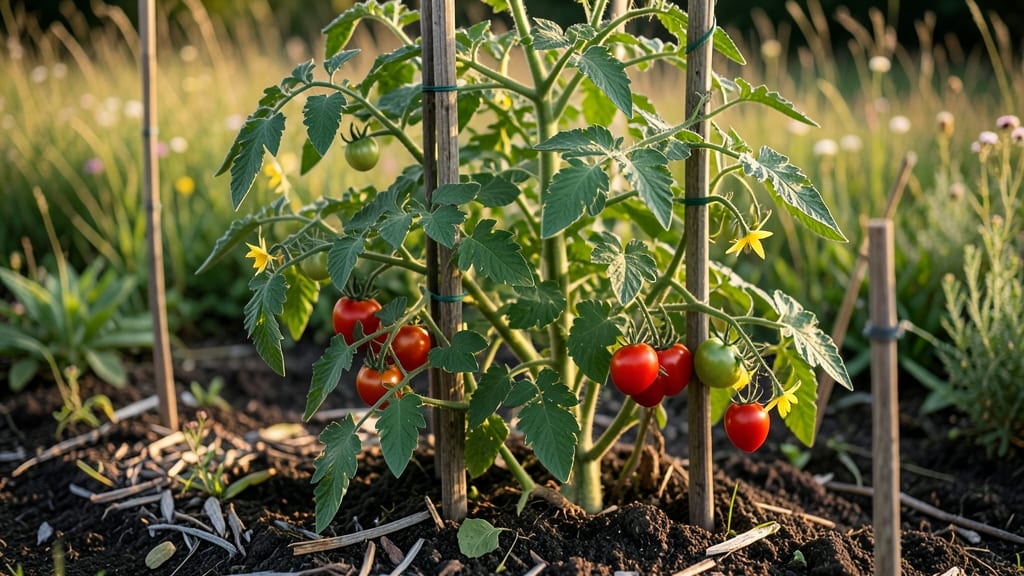
Tomato plants are not perennial in most climates, as they die back after producing fruit due to frost sensitivity and short lifespan. However, with proper care—like overwintering in containers or warm zones—they can regrow for multiple seasons.
Most tomato varieties act like annuals because they can't survive freezing temperatures—even a light frost will kill the plant's above-ground growth. 🌱 The issue isn't just the cold itself but how tomato plants allocate energy: they prioritize fruit production over root system resilience, leaving them vulnerable when winter arrives.
In warmer climates (like USDA zones 10-12), some heirloom varieties naturally persist year-round, but gardeners in cooler regions need to take extra steps to preserve their plants through winter. This is why you often see tomato plants treated as seasonal crops despite their botanical potential for longer lifespans.
What's interesting is how tomato plants behave differently based on their growing conditions. For example, container-grown tomatoes can be brought indoors during winter months, while those in ground beds may need protective covers or greenhouse environments.
The key is understanding each variety's specific needs—some, like 'Solar Fire' or 'Heatmaster,' are bred for heat tolerance and may handle overwintering better than others. It's all about matching the plant's natural tendencies with your local climate conditions.
💡 In This Article
- Why Tomato Plants Act Like Annuals in Cold Climates
- How to Overwinter Tomato Plants for Year-Round Growth
Why tomato plants act like annuals in cold climates
Tomato plants behave like annuals in most regions because their native tropical origins make them extremely frost-sensitive.
Even a light frost at 32°F can damage leaves, while temperatures below 28°F will kill the entire plant—including the roots in many cases. 🌱 The issue stems from their growth cycle: tomatoes prioritize energy toward fruit production rather than building cold-resistant structures like woody stems or deep root systems.
This energy allocation strategy works perfectly in warm climates but leaves them vulnerable when winter arrives, causing gardeners to treat them as annuals.
The USDA hardiness zones play a crucial role in tomato survival. Plants in zones 10-12 (like Southern California or Florida) often persist year-round, while those in zones 5-9 (common in the Midwest and Northeast) require protection.
The root system of a typical tomato plant only extends 12-24 inches deep, offering little insulation against freezing ground temperatures. In contrast, perennial plants like asparagus develop extensive root networks that store energy and regenerate each spring.
What most gardeners don't realize is how quickly tomatoes deplete their energy reserves. After producing fruit, the plant's metabolic focus shifts from growth to seed production—meaning it has little left to survive winter. This biological trade-off explains why even healthy tomato plants often die back after their first harvest.
The good news? With proper care, you can break this cycle by preserving the plant's root system through overwintering techniques that mimic its natural tropical environment.
Consider the example of 'Cherokee Purple' heirloom tomatoes, which thrive in zones 5-10 but still require protection. Their leaves may yellow and drop when temperatures fall below 50°F at night, but if you save the roots, they can regrow in spring.
This behavior contrasts sharply with true perennials like strawberries, which maintain green foliage through winter and continue producing year after year. The key difference lies in how each plant stores and allocates its energy reserves.
Another critical factor is the plant's photoperiod sensitivity. Tomatoes are short-day plants, meaning they respond to daylight length rather than temperature alone. When days shorten in fall, they naturally prepare for dormancy—another reason they behave like annuals.
In tropical climates, this transition happens gradually, but in temperate zones, the sudden temperature drop creates shock that accelerates decline. Understanding this helps explain why overwintering requires both temperature control and light management.
For gardeners in cooler climates, this means thinking differently about tomato care. Instead of treating them as one-season crops, you can extend their life by protecting the root zone and providing artificial warmth. This approach transforms tomatoes from annuals into semi-perennials that reward you with multiple harvests over several years.
The science behind this involves creating microclimates that mimic the plant's natural tropical environment—something we'll explore in the next section. 🌿