
Orchid Care
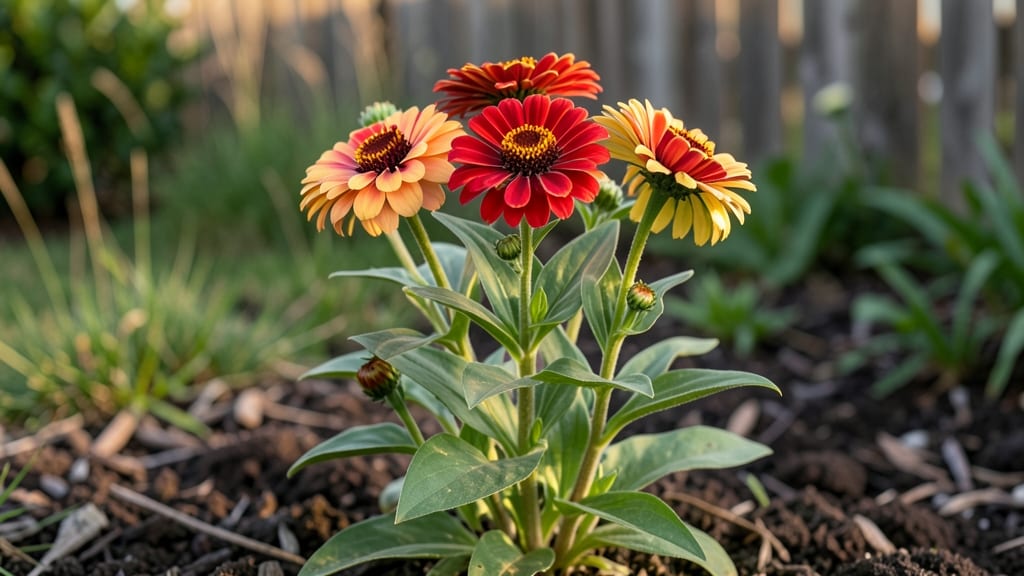
Are zinnias annuals or perennials? They're annuals in most climates, dying back after one growing season, though some varieties may persist as short-lived perennials in warm, frost-free regions like USDA zones 9-11. Their lifespan depends on winter hardiness and local conditions.
Zinnias behave as annuals because they can't survive freezing temperatures—frost kills their tender stems and leaves. 🌱 This dieback happens because their roots aren't cold-hardy like true perennials.
However, in frost-free areas (think Southern California or Florida), some varieties naturally regrow from the same roots year after year, acting like short-lived perennials. The key difference? True perennials like coneflowers have deep, insulated root systems that regenerate after winter, while zinnias rely on seed germination each spring.
For gardeners in marginal zones (like zone 8), you can extend their life by protecting them with thick mulch or overwintering cuttings indoors. I've found that varieties like 'Benary's Giant' or 'Profusion' often handle mild winters better than others, making them better candidates for perennial behavior when given proper care.
💡 In This Article
- Zinnia Lifespan: Why Most Die as Annuals
- Extending Zinnia Growth: Perennializing Tips for Warmer Climates
Zinnia lifespan: why most die as annuals
Zinnias meet their annual fate because they're tropical plants at heart, evolved in Mexico and Central America where frost never touches the soil. Their stems and foliage contain 60-70% water content, making them highly susceptible to freezing.
When temperatures drop below 28°F, ice crystals form in their cells, rupturing membranes and causing irreversible damage. This is why even a light frost turns their vibrant blooms into mushy, brown remnants overnight.
The real difference from true perennials lies in their root systems. Most zinnias develop shallow fibrous roots that store minimal energy reserves—typically only enough to sustain 2-3 weeks of regrowth if conditions are perfect.
Compare this to coneflowers (Echinacea), whose deep taproots store 3-5 times more carbohydrates, allowing them to push through frozen ground each spring. Zinnia roots simply lack the insulation and stored energy to survive winter dormancy.
What most gardeners don't realize is that zinnias have a built-in survival mechanism when conditions are right: they produce thousands of seeds per plant that lie dormant until spring. This seed bank strategy ensures the species continues, even if the parent plant dies.
The trade-off? You lose the plant's structure and must wait for new seedlings to emerge, rather than having established stems ready to bloom like true perennials.
Light plays a crucial role too. Zinnias require 6-8 hours of direct sunlight daily to thrive, but their growth slows dramatically when days shorten in autumn. Without proper light, they can't build the energy reserves needed to withstand even mild cold snaps.
In contrast, perennials like black-eyed Susans (Rudbeckia) can photosynthesize efficiently in shorter days, storing more energy for winter survival.
Here's the botanical kicker: some zinnia varieties have been selectively bred for slightly better cold tolerance. For example, 'Profusion' series zinnias can withstand brief exposures to 25°F without complete dieback, while 'Crystal' series might survive to 23°F.
These small differences explain why you might see zinnias acting semi-perennially in marginal zones—but don't expect them to behave like true hardy perennials.
The temperature threshold where zinnias shift from annual to potential perennial behavior sits around 30°F consistently for several weeks. Below that, even the hardiest varieties will succumb.
This is why gardeners in USDA zone 8 often see zinnias die back completely, while those in zone 9 might get lucky with some regrowth.