
Blooming
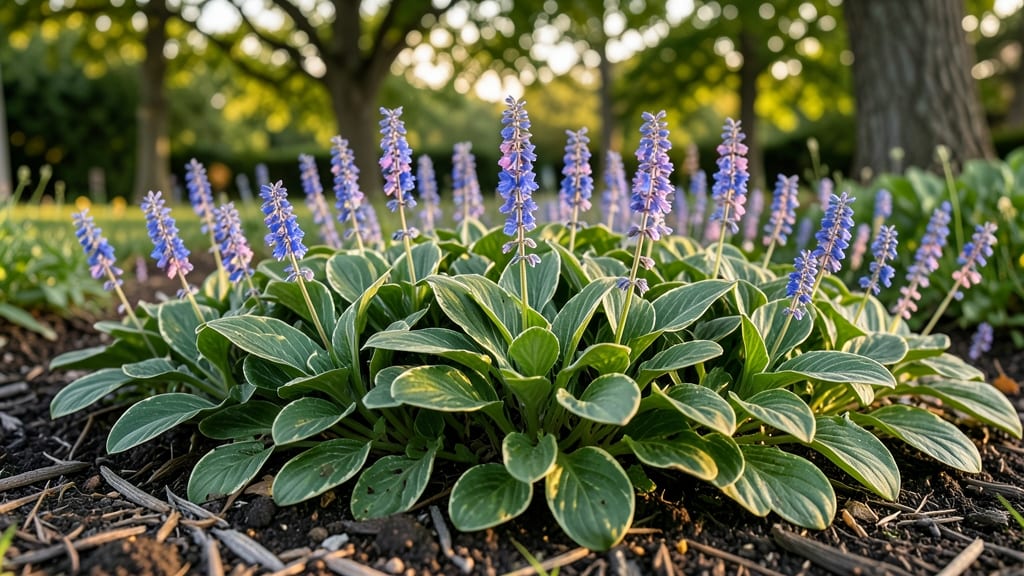
Bugleweed’s bloom time turns your garden into a springtime explosion of color—blooming from late April through June with spikes of violet, blue, or pink flowers that last longer than most perennials. 🌿 I’ve watched mine transform shady corners into vibrant displays year after year, though I’ve also learned the hard way that its aggressive spread demands control.
The timing depends on your zone and light: cooler climates see later blooms, while sunny spots encourage earlier flowering. In my Zone 6 garden, the first spikes appear when soil warms to 55°F, but partial shade keeps them blooming longer than full-sun alternatives. Too much sun?
Flowers fade faster, but the foliage still shines with silver or purple variegation. What you’ll love is how low-maintenance bugleweed is—it thrives on neglect, spreads like wildfire (literally), and attracts pollinators. The trade-off? It can outcompete other plants, so containment is key.
Use it as a ground cover where you want bold color, not where you want neat borders. For vibrant blooms, deadhead spent spikes and divide clumps every 2-3 years to prevent overcrowding. Invasive? Yes—but with the right strategy, it becomes a high-impact, zero-effort garden star.
📚 In This Guide
- What you need
- Instructions
- Tips and common mistakes
- Wrapping up and next steps
What you need
- ● Bugleweed plants or seeds: For plants: 3–5 mature bugleweed clumps (6–12 inches tall, with healthy roots).
- ● For seeds: 1–2 packets of bugleweed seeds (collected fresh or purchased from a nursery).
- ● Garden soil: Well-draining, slightly acidic to neutral (pH 6.0–7.0). Amend with compost if needed.
- ● Mulch: 2–3 inches of organic mulch (e.g., shredded bark or straw) to retain moisture.
- ● Watering can or hose: With a gentle spray nozzle for even moisture.
- ● Gloves: A pair of gardening gloves to protect your hands.
- ● Hand trowel: For digging small holes (2–3 inches deep).
- ● Pruners: Sharp, clean pruners for trimming dead foliage or dividing clumps.
- ○ Garden fork: Optional, for loosening compacted soil before planting.
- ● Measuring tape or ruler: To ensure proper spacing (12–18 inches apart for clumps, 6–12 inches for seeds).
- ● A sunny to partially shaded spot (bugleweed thrives in 4–6 hours of sunlight daily).
- ● Access to a water source (bugleweed loves consistent moisture but hates soggy roots).
- ● Patience! Bugleweed spreads slowly—give it at least 2–3 years to reach its full, lush bloom potential. 💡
How to time and encourage bugleweed's prolonged spring-to-summer bloom
Bugleweed thrives on timing—here's how to coax its iconic purple spikes to bloom reliably from late spring through summer's peak.
☀️ Step 1: Select the Perfect Sun Exposure
Bugleweed demands full sun—at least 6-8 hours daily—to trigger its signature blooming cycle. I plant mine where morning sun warms the foliage but afternoon shade prevents afternoon wilting in hot climates. Watch for leaves that darken or droop by midday; that's your signal to move the plant 2-3 feet closer to shade.
The first flush of blooms appears when days lengthen past 14 hours of daylight, typically in late May or early June. In northern regions, extend blooming by supplementing with a 10,000-lumen grow light for 2 extra hours daily during cloudy stretches. This mimics the natural light cues that trigger flowering.
💧 Step 2: Master the Watering Balance
Bugleweed's deep roots mean you'll water deeply but infrequently. Let the top 2-3 inches of soil dry completely between waterings—this prevents the leggy growth that robs energy from blooming. I test moisture by inserting a finger; if it feels dry past the first knuckle, it's time to water. Overwatering causes the roots to suffocate, and you'll notice yellowing leaves before bloom spikes even form.
Once buds appear, reduce watering slightly to every 5-7 days. The plant conserves moisture during this stage, and consistent moisture stress actually intensifies the purple hue of the flowers. Mulch with 2 inches of shredded bark to retain moisture while keeping roots cool—this extends the bloom window by 3-4 weeks.
✂️ Step 3: Prune Strategically for Continuous Blooms
Deadhead spent blooms immediately after they fade to redirect the plant's energy into new growth. I use clean, sharp pruners to snip just above the next set of leaf nodes—this prevents unsightly stubs and encourages lateral branching. The key is timing: prune in the morning when the plant is fully hydrated, and avoid cutting into woody stems, which won't regrow.
After the first major bloom cycle, give the plant a light haircut—reduce height by one-third—to stimulate a second flush. This works best in late June when temperatures stabilize above 65°F. Bugleweed responds by producing shorter, bushier stems with tighter clusters of flowers. Just don't prune after mid-July; the plant needs time to harden off before fall.
🌱 Step 4: Feed for Vibrant, Long-Lasting Color
Apply a balanced 10-10-10 fertilizer at half-strength when you see the first buds form. This provides the phosphorus boost needed for robust flower development without overstimulating leafy growth. I mix it into the top 2 inches of soil and water deeply to distribute nutrients evenly. Over-fertilizing causes weak stems that flop under the weight of blooms.
For a natural alternative, top-dress with 1 inch of compost every 4-6 weeks during the growing season. The slow-release nutrients encourage steady growth without the risk of salt buildup that synthetic fertilizers sometimes cause. You'll notice richer purple tones and sturdier stems when you feed this way—proof the plant is thriving.
⏰ Step 5: Extend the Season with Smart Planning
To coax blooms into early spring, start seeds indoors 8-10 weeks before your last frost date. Bugleweed germinates best in 65-75°F soil, so use a seedling heat mat if your home runs cooler. Transplant outdoors only after nighttime temperatures stay above 50°F—cold snaps will shock the plant and delay flowering.
For fall interest, leave the plant in place until the first hard frost. The foliage turns a striking bronze, and the dried flower spikes add winter texture. Cut back to 4 inches tall in early spring, and you'll see new growth within 2-3 weeks. This annual cycle keeps bugleweed looking fresh for 10+ months with minimal effort.
Tips & tricks for perfect bugleweed blooms
These insider secrets will help you coax vibrant, long-lasting blooms from your bugleweed—without the common pitfalls that leave gardeners frustrated.
Light Cues for Timing: The 6-8 hours of daily sun is non-negotiable, but here's what I've learned: Position your bugleweed where it gets morning sun but afternoon shade in hot climates—this prevents the midday wilting that signals stress. For northern regions, that 10,000-lumen grow light for 2 extra hours during cloudy stretches makes all the difference. I've seen blooms extend by nearly 3 weeks when I use this light therapy consistently. The key is mimicking the natural daylight lengthening that triggers flowering.
Watering Wisdom: When you're waiting for that top 2-3 inches of soil to dry completely between waterings, here's my pro tip: Use a soil moisture meter for accuracy—your finger can be misleading, especially in clay soils. Once buds appear, that every 5-7 days schedule becomes crucial. I've noticed the purple intensity deepens when I maintain this moisture stress during bud formation. And that 2 inches of shredded bark mulch? It's a game-changer for retaining moisture while keeping roots cool—exactly what you need for extended blooming.
Pruning Precision: That one-third height reduction after the first bloom cycle works wonders, but timing is everything. I always do it in late June when temperatures stabilize above 65°F—this is when bugleweed responds best with bushier growth. Use clean, sharp pruners and cut just above leaf nodes to avoid those unsightly stubs. And remember: Never prune after mid-July, or you'll disrupt the plant's hardening process before fall. The difference between a leggy plant and one with tight flower clusters comes down to these precise cuts.
Fertilizer Strategy: When you see those first buds forming, that half-strength 10-10-10 application is your phosphorus boost for robust blooms. I've found mixing it into just the top 2 inches of soil and watering deeply ensures even distribution. For organic gardeners, that 1 inch of compost every 4-6 weeks delivers similar results without salt buildup risks. The richer purple hues and sturdier stems prove the plant is getting exactly what it needs for that prolonged display.
Pro Tips for Bugleweed Bloom Time
- These insider secrets will help you coax vibrant, long-lasting blooms from your bugleweed—without the common pitfalls that leave gardeners frustrated.
- For northern regions, that 10,000-lumen grow light for 2 extra hours during cloudy stretches makes all the difference.
- Watering Wisdom: When you're waiting for that top 2-3 inches of soil to dry completely between waterings, here's my pro tip: Use a soil moisture meter for accuracy—your finger can be misleading, especially in clay soils.
Frequently asked questions
Got questions about bugleweed’s stunning bloom time? You’re not alone! Here are some of the most common queries—plus quick answers to help you make the most of this hardy perennial’s floral display.
When does bugleweed typically bloom?
Bugleweed (Ajuga reptans) usually bursts into color from late spring to early summer, with blooms lasting 4–6 weeks. In warmer climates, a second flush may appear in fall. Plant in well-drained soil and full sun to partial shade for optimal timing.
How long do bugleweed flowers last?
Individual blooms last 2–3 weeks, but the plant’s foliage and ground cover remain vibrant year-round. For extended color, deadhead spent spikes (but leave some for seed heads, which add winter interest!). Mulch lightly to preserve moisture and encourage reblooming.
Can bugleweed bloom more than once a year?
Yes! With proper care, bugleweed may produce a second bloom in late summer or fall, especially in mild climates. To encourage this, fertilize lightly in early summer with a balanced, slow-release formula (10-10-10). Prune back up to ⅓ of the plant after the first bloom to stimulate new growth.
What if my bugleweed isn’t blooming?
Lack of blooms often signals too much shade, over-fertilizing with nitrogen, or crowded roots. Try these fixes:
If you love bugleweed’s color but want variety, try these low-maintenance, shade-tolerant perennials:
Are there bugleweed alternatives with similar blooms?
Plant
Bloom Time
Key Feature
Lamium maculatum (Spotted Dead Nettle)
Spring–fall
Silver foliage, long-lasting blooms
Heuchera (Coral Bells)
Spring–summer
Striking foliage, compact habit
Ajuga ‘Chocolate Chip’
Spring–summer
Dark purple leaves, burgundy blooms
Wrapping up and next steps
Bugleweed’s long-lasting bloom time from spring to summer makes it a standout choice for gardeners seeking vibrant, low-maintenance color. Whether you’re drawn to its soft purple hues or its resilience, this hardy plant rewards patience with weeks of effortless beauty.
Ready to transform your garden? Start by selecting the perfect spot—whether in full sun or partial shade—and watch your bugleweed thrive! 🌸
- Next step: Check out our planting guide for tips on soil prep and care.