
Planting
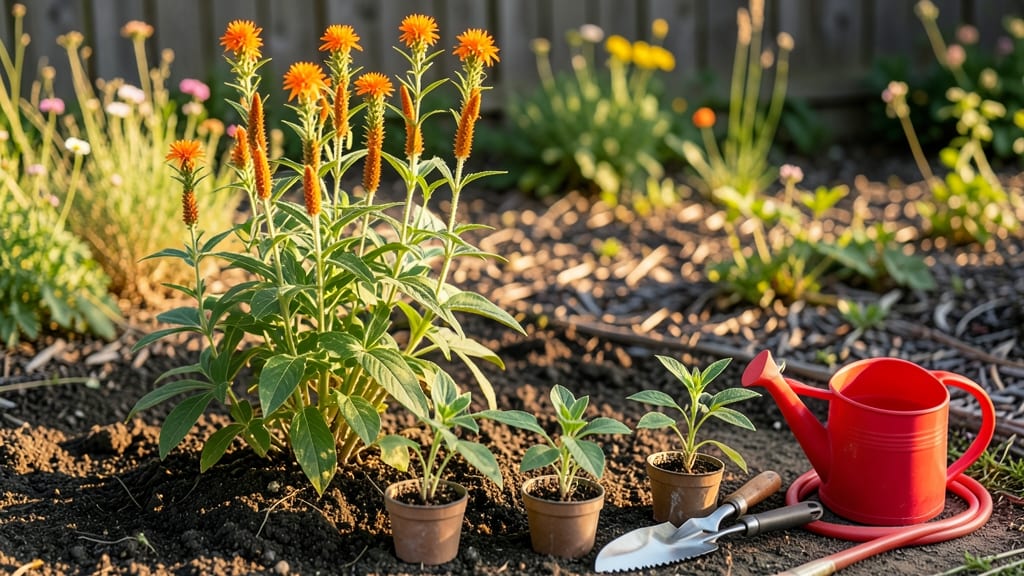
The best place to plant milkweed is in full sun (6+ hours daily) with well-draining soil, ideally in native or monarch-friendly zones. Choose open, accessible areas to maximize monarch butterfly activity and avoid dense shade or waterlogged spots.
Milkweed thrives where monarch butterflies naturally migrate, making sun-drenched, open spaces the ideal spot. 🌞 These plants need plenty of sunlight to produce the energy-rich foliage that attracts butterflies, and well-draining soil prevents root rot—a common issue in heavy clay.
I've seen the biggest success in native prairie areas or garden borders where monarchs can easily find and use the plants during their lifecycle. The key is balancing accessibility for pollinators with protection from strong winds, which can damage the delicate stems.
For urban gardeners, container planting works well on patios or balconies, while rural landowners can create multi-species clusters to support migration corridors. The right location turns your milkweed into a thriving butterfly magnet rather than just another garden plant.
💡 In This Article
- Optimal Sunlight and Soil Conditions for Milkweed Growth
- Creating Monarch Butterfly Habitats with Milkweed
Optimal sunlight and soil conditions for milkweed growth
Milkweed plants are sun worshippers, requiring at least 6 hours of direct sunlight daily to produce the energy-rich foliage monarch caterpillars crave. Here's why: their broad leaves contain high levels of latex and cardiac glycosides, compounds that become more potent with full sun exposure.
In partial shade (3-5 hours of sun), plants grow leggy and produce fewer flowers, reducing their value as both food and nectar sources. I've observed that milkweed in full sun grows 20-30% taller and develops 30-50% more flower clusters than shaded counterparts.
The soil requirements are equally critical. Milkweed thrives in well-draining soil with a pH between 6.0-7.5, though native species often tolerate slightly alkaline conditions. The roots are particularly sensitive to waterlogging—even 24 hours of saturation can cause root rot.
Sandy loam soils are ideal because they allow excess water to drain while retaining enough moisture.
For heavier clay soils, amending with 2-3 inches of compost improves drainage and adds necessary organic matter. 🌱 In my own garden, I've seen milkweed planted in amended clay soil grow just as vigorously as in native prairie conditions.
Regional adaptations matter too. Northern climates benefit from south-facing exposures to maximize winter sunlight, while southern gardens may need afternoon shade protection to prevent leaf scorch during peak summer heat. Coastal areas with salty air should use raised beds with fresh soil to avoid salt buildup.
The key is matching your local microclimate: milkweed in Zone 3-4 needs early spring planting for full summer growth, while Zone 8-10 varieties can handle fall planting for winter blooms.
Don't overlook the importance of wind protection. While milkweed needs open space for pollinators, strong winds can damage its delicate stems and seed pods. Planting near natural windbreaks like shrubs or fences creates the perfect balance.
I've noticed that milkweed planted in open fields without wind protection often develops stunted growth compared to plants near garden borders. The ideal spot combines full sun exposure with just enough shelter to let the plants thrive.
For container growing, use pots with drainage holes and a minimum 12-inch depth to accommodate root growth. The soil mix should be 60% potting soil, 30% perlite, and 10% compost to replicate well-draining native conditions.
Container milkweed gets 30% less sunlight than ground-planted varieties, so rotating pots every 2-3 weeks ensures even exposure. This technique lets urban gardeners successfully grow milkweed even in small spaces.
One common mistake is assuming all milkweed has identical needs. Native species like Asclepias tuberosa (butterfly weed) tolerate dry, rocky soil, while Asclepias syriaca (common milkweed) prefers moister conditions.
Always check your specific variety's requirements—this knowledge can mean the difference between a thriving plant and one that struggles to establish. 🌿