
How To
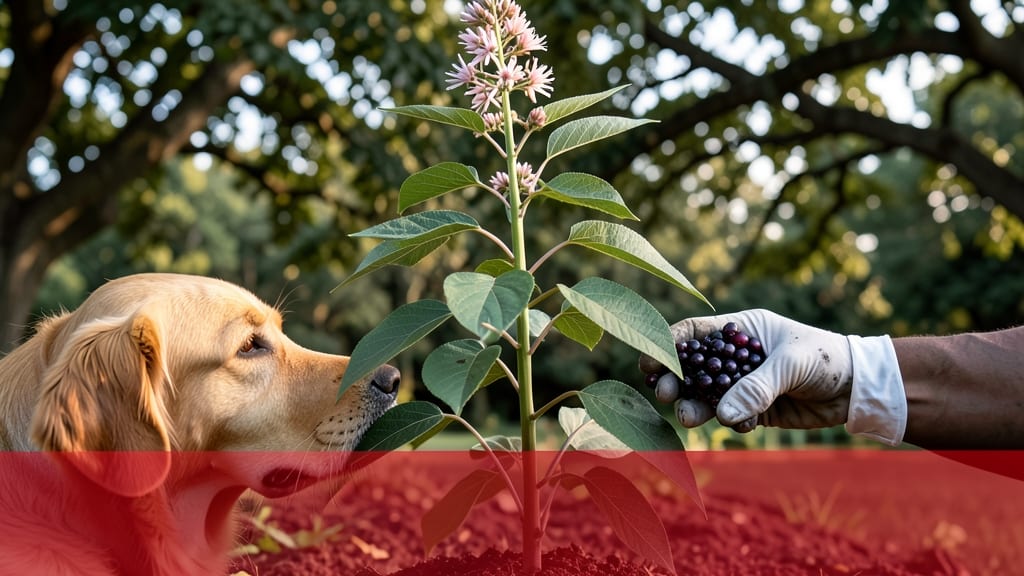
You should never touch pokeweed without protection, as its sap, berries, and leaves contain toxic compounds like phytolaccatoxin that can cause severe skin irritation, vomiting, and allergic reactions. Wearing gloves and avoiding contact is critical when handling or removing this invasive plant.
Pokeweed's toxicity stems from multiple irritants found throughout the plant, not just the berries. 🌿 Even brief skin contact with the sap or crushed leaves can trigger allergic reactions in some people, while ingestion of any part may lead to more serious symptoms like diarrhea or even respiratory distress.
The plant's rapid growth and ability to spread seeds widely make it particularly dangerous in garden settings, where accidental contact is common during removal attempts.
If you encounter pokeweed in your yard, the safest approach is to avoid touching it entirely. Instead, use long-sleeved clothing, heavy-duty gloves, and dedicated removal tools to minimize exposure. After handling, thoroughly wash any contaminated clothing and clean tools with soap and water.
For large infestations, consider professional removal services to ensure complete eradication and prevent the plant from spreading to neighboring areas.
💡 In This Article
- Toxic Compounds in Pokeweed and Their Effects on Skin
- Safe Removal and Disposal of Pokeweed in Gardens
Toxic compounds in pokeweed and their effects on skin
Pokeweed's danger lies in its complex cocktail of toxic compounds, with phytolaccatoxin being the most potent. This irritant belongs to a class of chemicals called alkaloids, which disrupt cellular processes in human skin and mucous membranes.
When the plant's sap—found in stems, leaves, and even roots—contacts broken skin, it triggers an immune response that causes redness, swelling, and blistering within 15-30 minutes in sensitive individuals. The reaction occurs because phytolaccatoxin interferes with protein synthesis in skin cells, essentially "confusing" them into overreacting.
Berries, often mistaken for edible fruits, contain concentrated levels of phytolaccigenin, another toxic compound that affects the digestive system. Ingestion of just 5-10 berries can cause symptoms ranging from nausea to severe vomiting within 4-6 hours, as these compounds irritate the gastrointestinal lining.
Even the plant's fibrous stems contain high concentrations of irritating resins that can cause chemical burns when crushed against skin, similar to handling poison ivy but with more immediate effects. 🌿
What makes pokeweed uniquely hazardous is how its toxicity persists across all life stages. Unlike some plants where only certain parts are dangerous, every component—roots, stems, leaves, and berries—contains irritants.
The plant's purple-black berries, in particular, are a common cause of accidental poisoning in children and pets, who may mistake them for grapes or blackberries. The berries' glossy appearance and sweet-tart flavor can mask their toxicity until symptoms appear, making them especially deceptive.
Skin reactions to pokeweed typically manifest as contact dermatitis, characterized by intense itching, rash formation, and sometimes secondary infections from scratching. In rare cases, individuals with pre-existing allergies to related plants (like nightshades) may experience anaphylaxis—a severe, life-threatening reaction requiring immediate medical attention.
This is why even brief exposure should be treated with caution, especially in areas where the plant grows abundantly.
Understanding the science helps explain why gardeners and landscapers report such varied reactions. Some people develop sensitivity after repeated exposure, while others react strongly to minimal contact.
The plant's sap contains additional irritants like flavonoids and tannins that amplify the skin's inflammatory response, creating a compounded effect that makes pokeweed more dangerous than many people realize.
For comparison, poison ivy's urushiol oil requires direct skin contact to cause reactions, whereas pokeweed's toxins can penetrate through clothing fibers and even contaminate tools.
If you've already had contact, washing the affected area with soapy water within 5 minutes can significantly reduce irritation. However, the plant's toxins bind quickly to skin proteins, making thorough cleansing essential.
For severe reactions, over-the-counter hydrocortisone creams or calamine lotion can provide relief, but medical consultation is advised if symptoms persist beyond 48 hours or if blistering occurs. 💥