
Orchid Care
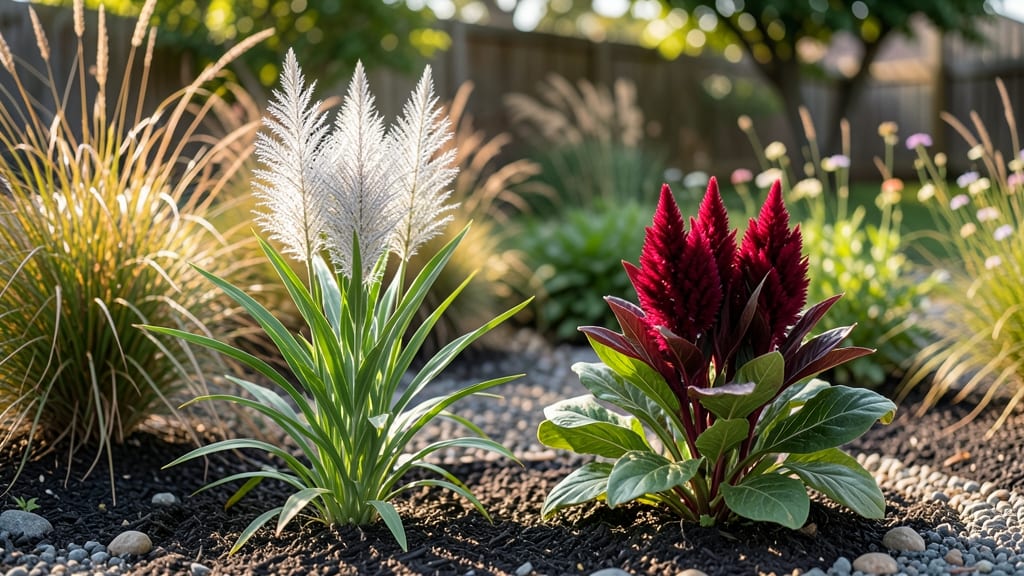
Celosia plants are annuals in most climates, meaning they complete their life cycle in one growing season, though some tropical varieties can act as perennials in frost-free areas with consistent warmth. Their lifecycle naturally ends when stems turn brown and leaves yellow, marking the shift to seed production before winter.
Most celosia varieties follow a predictable annual pattern because their energy shifts entirely to seed production after flowering. 🌿 In cooler regions, frost acts as the final trigger, causing leaves to wither and stems to brown within weeks.
However, in subtropical zones where winters stay mild, certain tropical celosia types can persist—sometimes even regrowing from the base if conditions remain stable. This explains why gardeners in Florida or Hawaii might see their celosia return year after year while northern growers treat them as true annuals.
Understanding this growth habit helps with planning. For example, I always plant extra celosia seeds in late summer to enjoy their fiery blooms into fall, knowing they'll naturally decline by winter.
The key is choosing varieties suited to your climate—cockscomb types thrive as annuals in most areas, while some plume varieties might surprise you with perennial behavior in warm microclimates.
💡 In This Article
- Why Celosia Dies Back After Flowering
- Extending Celosia’s Life Cycle in Warm Climates
Why celosia dies back after flowering
Celosia plants undergo a natural process called senescence after flowering, where their leaves yellow and stems brown as a survival strategy.
This shift occurs because the plant redirects all its energy from vegetative growth to seed production—a biological trade-off that ensures the next generation survives. 🌿 The flowering phase triggers hormonal changes, particularly an increase in ethylene and abscisic acid, which accelerate leaf breakdown and nutrient recycling into developing seeds.
The timing of this dieback is closely tied to environmental cues. In temperate climates, shorter daylight hours and dropping temperatures act as signals for celosia to complete its lifecycle.
For example, in zones with 10°F or lower winters, frost acts as the final trigger, causing rapid wilting within 2-4 weeks. Even in milder areas, once the seed pods form, the plant’s energy reserves deplete, leading to complete collapse.
This explains why celosia rarely persists beyond its first flowering season unless conditions remain consistently warm.
What most gardeners don’t realize is that this dieback isn’t just about cold—it’s also about daylight. Celosia, like many annuals, follows a photoperiodic response, where decreasing daylight hours (below 12 hours/day) accelerate senescence.
This is why you’ll often see celosia in full bloom during summer but wilt by early fall, even in warm climates. The plant’s internal clock is hardwired to prioritize reproduction over longevity when conditions suggest winter is coming.
There’s a fascinating exception with tropical varieties like Celosia argentea, which can behave differently. These types may produce new growth from the base if temperatures stay above 55°F and moisture levels remain stable.
However, even these varieties will eventually decline if they can’t produce seeds, as the plant’s genetic programming overrides environmental factors. This is why some gardeners in frost-free zones report "perennial" behavior—what they’re actually seeing is delayed senescence rather than true perennialism.
The visual cues of browning stems and wilting leaves aren’t just random—they’re part of a carefully timed process. As the plant dies back, it releases seeds that can lie dormant for years, waiting for the right conditions to germinate.
This survival strategy ensures celosia’s persistence even in harsh climates where the parent plant can’t survive the winter. 🌱 Understanding this lifecycle helps gardeners appreciate why celosia’s vibrant blooms are often short-lived and why forcing them to persist beyond their natural cycle can lead to weak, unproductive plants.
For example, if you try to prune back a dying celosia stem in hopes of new growth, you’ll likely find the plant’s energy reserves are already committed to seed production. The roots may still be alive, but without proper daylight and temperature conditions, they won’t regenerate.
This is why professional growers recommend treating celosia as annuals in most regions—it’s not just a gardening preference, but a biological reality backed by the plant’s reproductive strategy.