
How To
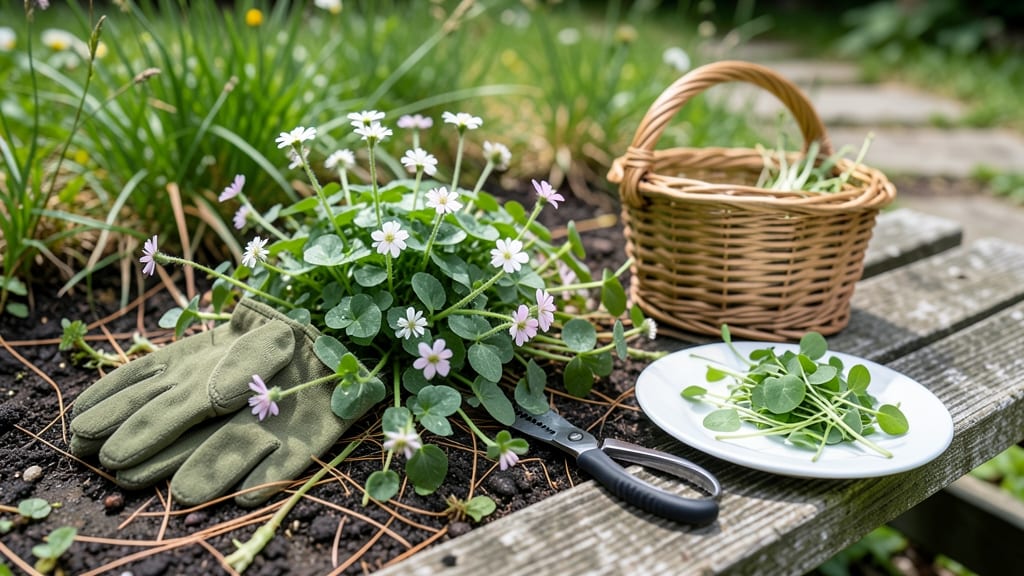
Chickweed edible weeds might be growing right under your nose—this soft, jade-green ground cover is packed with nutrients and tastes surprisingly mild. 🌱 I used to pull it out until I discovered how versatile it is in salads, teas, and even cooked like spinach.
The key is knowing where and how to harvest it safely, whether you're foraging wild patches or growing it intentionally.
This hardy annual thrives in cool weather and partial shade, making it perfect for spring and fall gardens or as a living mulch between plants. It prefers well-draining soil but grows almost anywhere, even in cracks of pavement.
Water it lightly—too much moisture makes the leaves watery and less flavorful. The best part? It self-seeds, so once established, it spreads effortlessly.
Harvesting is simple: pick young leaves and stems before they get tough or flower, which happens in late spring. A handful of fresh chickweed adds a fresh, slightly tangy flavor to salads, while dried leaves make a soothing tea.
Nutritionally, it’s a powerhouse with omega-3s, vitamins A and C, and minerals like calcium and magnesium—all for free if you forage responsibly.
Pro tip: avoid harvesting from areas treated with herbicides or near high-traffic roads. In your garden, let it grow as a natural weed suppressor, then harvest as needed.
With its fast growth and low-maintenance nature, chickweed is one of the easiest edible greens to cultivate—or just enjoy foraged from your yard.
📚 In This Guide
- What you need
- Instructions
- Tips and common mistakes
- Wrapping up and next steps
What you need
- ● Field Guide or App: A botany guidebook (e.g., Peterson Field Guide to Edible Wild Plants) or a foraging app like PictureThis or iNaturalist to confirm chickweed identification.
- ○ Gloves (Optional but Recommended): Lightweight gardening gloves (e.g., Fiskars or GlovesUSA) to protect hands from prickles or dirt.
- ● Harvesting Tools: Sharp pruning shears (e.g., Felco F-2) for cutting larger patches.
- ● A small knife (e.g., Victorinox Swiss Army Knife) for precision harvesting.
- ● A mesh bag or basket (1–2 gallons) to collect chickweed without bruising it.
- ● Container for Transport: A sturdy plastic or woven basket (avoid metal to prevent crushing).
- ● Positive ID Confirmation: Never eat a plant unless you’re 100% sure it’s chickweed (look for this guide for key features).
- ● Local Knowledge: Check with local foraging groups or park rangers about safe harvesting spots (avoid roadsides or sprayed areas).
- ● Weather Conditions: Harvest on cool, dry days (avoid after rain or frost, as moisture attracts pests).
- ● Sustainability: Never take more than 10–15% of a patch to ensure regrowth.
- ● A portable magnifying glass (2–3x magnification) for inspecting leaves up close.
- ● Cleaning Supplies: A colander and bowl of cold water for rinsing dirt/debris.
- ● Cooking Tools: If preparing immediately, grab a skillet, blender, or salad spinner.
- ● Storage: A paper towel-lined container (chickweed wilts fast—use within 2–3 days or freeze).
How to identify and harvest chickweed safely
Here's my foolproof method for spotting, harvesting, and enjoying this mild, nutrient-rich green—no fancy tools required.
🌿 Step 1: Learn the Visual Clues to Confirm Chickweed
Chickweed has a distinctive appearance that sets it apart from toxic lookalikes. Look for small, oval leaves with jagged edges growing in a rosette pattern close to the ground. The stems are smooth and slightly fuzzy, often branching out like tiny vines. I always check for the telltale silvery sheen on the leaves—this is a dead giveaway.
Run your fingers over the plant: chickweed feels soft and slightly hairy. If the leaves are thick and waxy or have smooth edges, it's likely not edible. I never harvest from areas treated with herbicides or near roadsides—stick to organic lawns, garden edges, and undisturbed soil.
🌱 Step 2: Harvest at Peak Freshness and Flavor
The best time to pick chickweed is in the morning after the dew has dried but before the sun gets too hot. I harvest young, tender shoots—those under 4 inches tall—because they're most flavorful and delicate. Use clean, sharp scissors or just pinch the stems just above the soil line to avoid damaging the roots.
Fill a basket with 1-2 cups of leaves and stems (that's plenty for 4 servings). Avoid harvesting more than 10% of the plant from any single patch to ensure regrowth. I always leave the roots intact so the plant can regenerate for future harvests.
☀️ Step 3: Clean and Store for Maximum Freshness
Rinse the chickweed thoroughly under cool water to remove dirt and any tiny insects. I swirl it gently in a bowl of water, then drain and pat dry with a clean towel or salad spinner. Chickweed wilts quickly, so I either use it immediately or store it properly. For short-term storage, place it in a sealed container lined with a damp paper towel and keep it in the fridge.
For longer storage, I dry the chickweed by spreading it in a single layer on a baking sheet and letting it air-dry in a dark, well-ventilated area for 2-3 days. Once completely dry, store it in an airtight jar away from light. Dried chickweed keeps its nutrients for up to 6 months—perfect for adding to teas or soups later.
💧 Step 4: Use Chickweed in Simple, Nutrient-Boosting Recipes
Chickweed has a mild, slightly sweet flavor that pairs well with other greens. I like to add it raw to salads for a peppery kick, or blend it into smoothies for a nutrient boost. For a quick fix, sauté 1 cup of fresh chickweed in olive oil with garlic and a splash of lemon juice—it cooks in just 2-3 minutes and makes a great side dish.
You can also infuse chickweed into oils or vinegars for a nutrient-packed condiment. Simply fill a clean jar with fresh chickweed, cover it with olive oil, and let it sit in a sunny spot for 1-2 weeks. Strain and store in the fridge for up to 3 months. This infused oil adds a unique flavor to grains, roasted vegetables, and more.
Tips & tricks for perfect chickweed harvesting
Took me a while to figure these out, so here's how to make your chickweed foraging foolproof.
Visual Confirmation: The silvery sheen on chickweed leaves is your golden ticket. I've seen people mistake it for ground ivy or even poisonous plants—always check for that telltale shimmer under sunlight. Run your fingers over the leaves: chickweed feels soft and slightly fuzzy, while toxic lookalikes feel waxy and smooth. If in doubt, use a foraging guide or app to double-check before harvesting.
Harvesting Technique: When harvesting those tender shoots under 4 inches, I've found that pinching the stems just above the soil line works better than cutting with scissors. This prevents damaging the roots and encourages regrowth. Fill your basket with 1-2 cups of leaves and stems—that's plenty for 4 servings—and remember to never take more than 10% from any single patch. Between us, I've seen entire patches die back when people harvest too aggressively.
Storage Wisdom: Chickweed wilts faster than you'd think, so I always store it properly. For short-term use, keep it in a sealed container lined with a damp paper towel in the fridge—this preserves freshness for 2-3 days. For longer storage, spread it single-layer on a baking sheet and let it air-dry for 2-3 days in a dark, well-ventilated area. Once completely dry, store in an airtight jar away from light—it keeps its nutrients for up to 6 months. I've used dried chickweed in winter soups and teas without losing any flavor.
Recipe Timing: That 2-3 minute sauté for fresh chickweed is critical—any longer and it turns bitter. I like to add it to hot olive oil and cook just until wilted, then finish with garlic and lemon juice. The key is to keep the heat medium-low to prevent burning while still getting that perfect wilt. For infused oils, the 1-2 week sunny spot infusion is perfect—just remember to strain before storing in the fridge for up to 3 months.
Pro Tips for Chickweed Edible Weeds
- Took me a while to figure these out, so here's how to make your chickweed foraging foolproof.
- Visual Confirmation: The silvery sheen on chickweed leaves is your golden ticket.
- Harvesting Technique: When harvesting those tender shoots under 4 inches, I've found that pinching the stems just above the soil line works better than cutting with scissors.
Frequently asked questions
Got questions about foraging, cooking, or safety with chickweed?
You’re not alone! Here are answers to the most common queries to help you confidently enjoy this edible weed.
Is chickweed safe to eat raw, or should I cook it first?
Chickweed is totally safe to eat raw—it’s a staple in salads and smoothies! However, cooking it (lightly sautéed or wilted) can mellow its slightly bitter taste and soften the texture. If you’re foraging from urban areas, a quick vinegar rinse adds an extra safety step.
When is the best time to harvest chickweed for eating?
Spring and early summer are prime time! Young, tender leaves (before flowering) have the mildest flavor. Avoid harvesting after frost or when plants bolt (go to seed), as they can become tough or bitter. Morning harvests are ideal—leaves are crispest after dew dries.
How do I tell chickweed apart from poisonous look-alikes?
Chickweed has smooth, oval leaves with tiny hairs and delicate white flowers on long stems. Avoid plants with milky sap, hairy stems, or strong odors—these could be toxic doppelgängers like ground ivy or poison hemlock. When in doubt, use a foraging app or consult a local expert!
What’s the easiest way to cook chickweed if I’m new to foraging?
Start with a simple chickweed pesto or stir-fry! Blend raw leaves with garlic, olive oil, and nuts for pesto, or wilt them in butter with a pinch of salt for a quick side dish. Pro tip: Pair it with high-fat ingredients (like cheese or avocado) to boost nutrient absorption!
Can I grow chickweed at home, or do I have to forage it?
Chickweed grows easily from seed or self-seeds in gardens. Plant it in partial shade with moist, well-draining soil. It’s low-maintenance and thrives in containers—perfect for urban growers. Just remember: Organic soil is key to avoid pesticide contamination.
Wrapping up and next steps
Discovering chickweed as an edible weed opens up a world of nutrient-rich, zero-cost greens right at your doorstep! 🌱 From its soothing skin benefits to its versatile culinary uses, this humble plant proves nature’s bounty is often hiding in plain sight.
Whether you’re a foraging beginner or a seasoned green enthusiast, adding chickweed to your diet is a simple, rewarding step toward healthier eating.
Ready to dive in? Start by identifying chickweed safely in your area, then experiment with it in salads, teas, or smoothies. Share your creations with friends—or even grow your own patch for a continuous supply of this superweed! The earth’s pantry awaits—go explore!