
Neem Oil
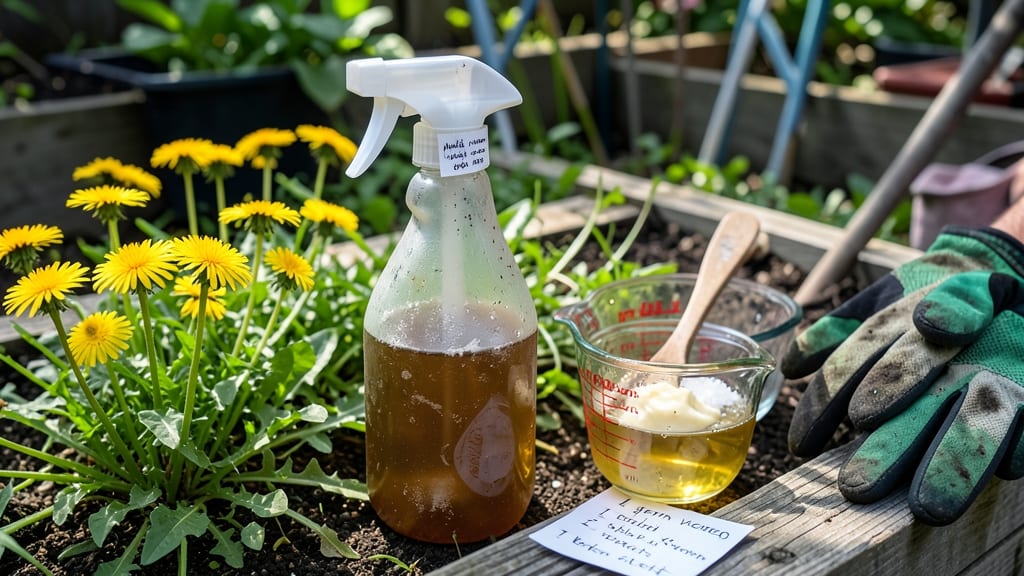
That cleaning vinegar weed killer recipe might sound too good to be true, but it’s the secret weapon I’ve used to clear stubborn weeds from my driveway and sidewalk without harsh chemicals. 🌱 The recipe is simple—just vinegar, dish soap, and salt—but the 5-minute brew delivers results that rival commercial sprays, and it’s safer for pets and kids once dry.
This weed killer works best on young weeds and in non-organic areas like concrete cracks, walkways, and driveways. It’s also great for areas where you don’t plan to grow plants, like patios or gravel beds.
The acetic acid in vinegar breaks down weed cell walls, while the dish soap helps it stick and penetrate faster. Just be cautious—it won’t discriminate between weeds and desirable plants, so avoid spraying near your garden beds.
You’ll see weeds wilting within hours and completely crispy in a day or two. The best time to apply it is on a sunny, wind-free day, so the solution stays concentrated where it needs to work.
For tougher weeds, reapply after a few days if needed. It’s a cost-effective, eco-friendly alternative to glyphosate-based killers, though it won’t prevent regrowth like pre-emergent herbicides.
Pair this method with mulching or hand-pulling for long-term weed control, especially in garden areas. And if you’re worried about vinegar smell lingering, don’t—it fades quickly once the solution dries. Ready to tackle those weeds the natural way? Let’s get started!
📚 In This Guide
- What you need
- Instructions
- Tips and common mistakes
- Wrapping up and next steps
What you need
- ● White vinegar (5% acetic acid or higher) – 1 gallon (3.8 liters). The higher the acidity, the more effective!
- ● Dish soap (blue Dawn or similar) – 2 tablespoons. Acts as a surfactant to help the vinegar stick to weeds.
- ○ Salt (optional but recommended for tough weeds) – 1 cup (200g). Enhances the weed-killing power.
- ● Spray bottle or garden sprayer – 16-32 oz (500ml–1L) capacity. A pump sprayer works best for larger areas.
- ● Protective gear: Gloves (nitrile or rubber)
- ● Safety goggles
- ● Long sleeves and pants
- ● Spray nozzle attachment – For targeted application.
- ● Garden hose with spray wand – For rinsing or diluting if needed.
- ● Plastic or glass container – If mixing in bulk (e.g., 5-gallon bucket).
- ● Markers or flags – To label treated areas (vinegar can harm nearby plants!).
Step-by-Step instructions for making a vinegar weed killer
Here's the simple, effective method I use to create a potent weed killer that works fast and safely.
🔥 Step 1: Gather and Mix the Ingredients
Start with 1 gallon of white vinegar (the higher the acidity, the better—look for 5% or higher acetic acid). Add 1 ounce of dish soap (this helps the solution stick to weed leaves) and 1 cup of salt (boosts the burning effect). Pour everything into a large spray bottle that can hold at least 1.5 gallons—I like the 1-gallon trigger sprayers because they’re easy to control.
Shake the bottle vigorously for 30 seconds to fully combine the ingredients. The mixture should look cloudy and well-blended. Avoid using colored or scented vinegar—those additives can reduce effectiveness. Store any leftover mixture in a dark, airtight container away from sunlight, as it loses potency over time.
🌿 Step 2: Choose the Right Conditions for Application
Wait for a sunny, dry day with temperatures between 70-90°F—this ensures the vinegar works fastest. Avoid applying when rain is forecast within 24 hours, as it can dilute the solution and reduce effectiveness. Focus on young, actively growing weeds—they’re the easiest to kill. Mature weeds with thick stems may require multiple applications.
Spot-test the mixture on a small area of the weed first. If the leaves don’t wilt or brown within 10-15 minutes, the weeds might be resistant, and you’ll need to reapply or use a stronger solution. Clear the area of debris or mulch around the weeds so the spray reaches the leaves directly.
💧 Step 3: Apply the Solution Directly to Weeds
Hold the spray bottle 6-12 inches away from the weeds and apply until the leaves are completely saturated—you should see the solution dripping off. Avoid spraying desirable plants, as vinegar kills everything it touches. For stubborn weeds, apply the mixture twice, waiting 2-3 hours between applications to maximize effectiveness.
Watch for results within a few hours: the weeds should start wilting, turning yellow, and eventually brown and crisp up within 24-48 hours. If some weeds survive, they’re likely deep-rooted—repeat the process in 3-5 days until they’re fully dead. Don’t walk on treated areas until the weeds are completely dry and crumbly.
✂️ Step 4: Remove and Dispose of Dead Weeds
Once the weeds are fully brown and brittle (usually 2-5 days after application), use a hand trowel or garden fork to pull them out by the roots. This prevents regrowth. If the roots break off, dig deeper to remove as much as possible. Composting dead weeds is fine, but avoid adding them to garden beds where new plants might sprout from remaining seeds.
For large infestations, repeat the process every 2-3 weeks until the area is weed-free. Keep the soil moist afterward to help desirable plants recover faster. If weeds keep returning, consider adding mulch to suppress future growth—just avoid plastic mulch, as it can trap heat and reduce vinegar effectiveness.
Tips & tricks for perfect vinegar weed killer
Took me a while to figure these out, so here goes—these tricks will help you get the most out of your vinegar weed killer every time.
Acidity Matters: Always use white vinegar with at least 5% acetic acid—this is the active ingredient that kills weeds. I’ve found that 6% or higher works even faster, especially on tough weeds like dandelions. The higher the acidity, the quicker the results, so don’t skimp on quality here. Store your vinegar in a dark place to keep its potency—sunlight breaks down acetic acid over time.
Application Technique: When you’re applying the solution in Step 3, focus on the leaves—not the roots. The vinegar needs to soak into the foliage to work effectively. For stubborn weeds, I’ve found that applying the mixture twice with a 2-3 hour gap between applications gives the best results. This double treatment ensures the vinegar penetrates deeper and works faster. Just be patient—it’s worth the wait for tough weeds.
Weather Watch: The 70-90°F temperature range in Step 2 is critical. If it’s cooler than that, the vinegar won’t work as quickly, and you might need to reapply sooner. On hot days, the solution can evaporate faster, so apply it early in the morning or late in the afternoon. Avoid windy days too—it can cause the spray to drift onto plants you want to keep. A calm, sunny day is your best friend here.
Spot-Testing Tip: That 10-15 minute spot-test in Step 2 is non-negotiable. I’ve seen people skip this and end up with brown patches in their lawn or garden. Start with a small, hidden area of the weed and wait to see how it reacts. If the leaves don’t wilt or brown within that time, the weed might be resistant, and you’ll need to adjust your approach—maybe try a stronger vinegar concentration or focus on younger weeds next time.
Pro Tips for Cleaning Vinegar Weed Killer Recipe
- Took me a while to figure these out, so here goes—these tricks will help you get the most out of your vinegar weed ki...
- Acidity Matters: Always use white vinegar with at least 5% acetic acid—this is the active ingredient that kills weeds...
- Application Technique: When you’re applying the solution in Step 3, focus on the leaves—not the roots. The vinegar ne...
Frequently asked questions
Got questions about using cleaning vinegar as a weed killer? You’re not alone! Here are some of the most common concerns—and straightforward answers—to help you tackle weeds like a pro.
How long does it take for vinegar to kill weeds?
Most weeds start wilting within 24 hours after application, but full death can take 3–7 days, depending on the weed type, vinegar strength, and weather. Hot, sunny days speed up the process—just avoid rain for at least 24 hours post-application to let the acid work its magic.
Can I use regular cleaning vinegar, or do I need a special kind?
You’ll want white vinegar (5% acetic acid) for best results—it’s potent enough to kill weeds without harming your plants (if used correctly). Avoid cleaning vinegar with added fragrances or colors, as these can reduce effectiveness. For tougher weeds, opt for 20–30% horticultural vinegar (sold at garden centers).
Will vinegar kill my grass or other plants?
Vinegar is non-selective, meaning it’ll kill anything green it touches—including grass, flowers, and vegetables. To protect desired plants, spray only on weeds and avoid overspray. For grassy areas, spot-treat weeds carefully or use a barrier method (like cardboard) to shield nearby plants.
What’s the best time of day to apply vinegar weed killer?
Apply on a bright, sunny day when temperatures are between 50–90°F (10–32°C). Early morning or late afternoon works best to avoid evaporation from midday heat. Avoid windy days—overspray can drift and damage unintended plants.
What if the vinegar doesn’t work? Troubleshooting tips!
If your weeds persist, try these fixes:
- Reapply: Weeds may regrow—spray again after 3–5 days.
- Increase strength: Mix 1 gallon of 20% vinegar + 1 tbsp dish soap for tougher weeds.
- Check the weather: Rain or humidity can dilute the vinegar’s power—wait for dry conditions.
- Target young weeds: Established weeds with deep roots may need multiple treatments.
For perennial weeds (like dandelions), dig up the roots after spraying to prevent regrowth.
Are there safer alternatives if vinegar is too harsh?
Yes! If you’re concerned about vinegar’s potency, try these natural weed killers:
- Boiling water: Pour directly on weeds (best for driveways/cracks).
- Salt + dish soap: Mix 1 gallon water + 1 cup salt + 1 tbsp soap (avoid on soil—harms plants long-term).
- Corn gluten meal: A pre-emergent to prevent weed seeds from sprouting.
- Neem oil: Slows weed growth (less aggressive than vinegar).
For organic gardeners, vinegar is still the fastest solution—just use it strategically!
Wrapping up and next steps
You now have a natural, cost-effective, and eco-friendly way to tackle weeds without harsh chemicals! This cleaning vinegar weed killer recipe is perfect for driveways, sidewalks, and garden paths—just mix, spray, and watch those weeds disappear in hours. 🌱✨
Ready to transform your outdoor spaces? Grab your supplies, follow the steps, and enjoy a weed-free zone in no time. For even better results, try experimenting with organic neem oil blends next—your garden will thank you!