
Pests
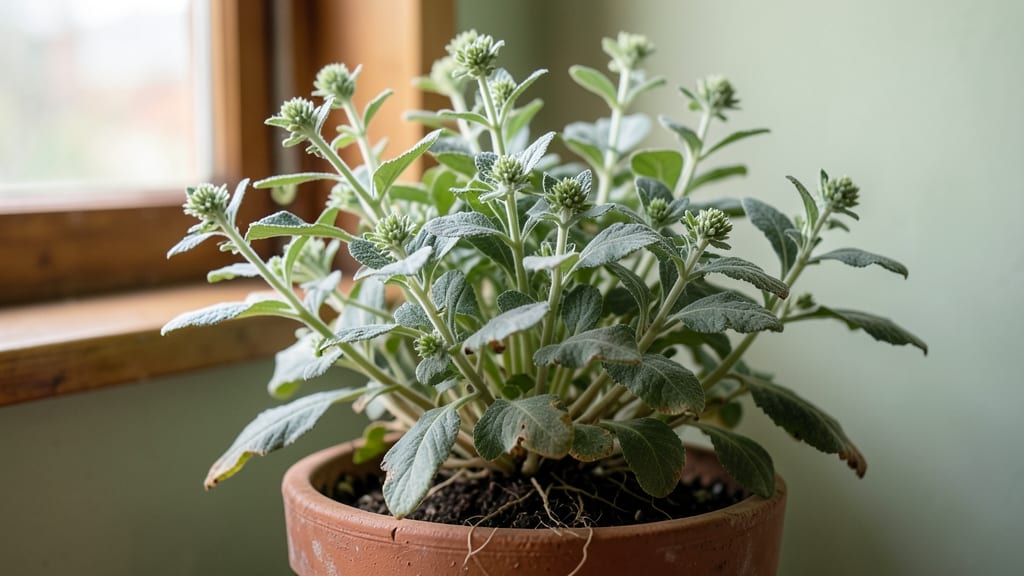
That leafy green growing wild in your garden might be common lambsquarters—an edible weed that outcompetes your plants without any help from you. 🌱 I used to pull it out by the handful, thinking it was just another nuisance, until I learned it’s packed with nutrients and thrives in poor soil where nothing else grows.
The secret to managing it lies in timing and technique. Hand-pulling works best when the soil is moist, but you’ll need to be consistent—this weed spreads fast through seeds that can lie dormant for years.
Mulching blocks new growth, while targeted organic sprays like vinegar or salt solutions (used carefully) can weaken established plants.
What you’ll discover is a weed that, when controlled, actually benefits your garden by improving soil fertility. The leaves taste mildly spinach-like when cooked young, and birds love the seeds, making it a surprisingly useful plant if you can keep it from taking over.
Perfect for organic gardeners tired of battling weeds that resist chemicals. Here’s how to reclaim your space without harsh methods—naturally.
📚 In This Guide
- What you need
- Instructions
- Tips and common mistakes
- Wrapping up and next steps
What you need
- ● Gloves (heavy-duty gardening or disposable) – 1 pair (to protect your hands from prickly stems and sap).
- ● Pruners or shears – 1 pair (sharp, clean, and ideally sterilized to prevent disease spread).
- ● Garden fork or trowel – 1 (for digging out deep roots if needed).
- ● Buckets or large bags – 2-3 (for collecting weeds or harvesting greens).
- ○ Spray bottle with water – 1 (optional, for rinsing off dirt or pests before cooking).
- ● Hoe or weed puller – 1 (for large infestations; works best in dry soil).
- ● Vinegar spray (5-20% acetic acid) – 1 gallon (for organic control—do not use near edible plants).
- ● Mulch (straw, cardboard, or wood chips) – 2-3 inches thick (to smother regrowth).
- ● Labeling tags or markers – 5-10 (if growing lambsquarters intentionally in a garden bed).
- ● Identification skills – Double-check plants are common lambsquarters (not poisonous lookalikes like wild parsnip).
- ● Sunlight access – Lambsquarters thrives in full sun; work during daylight hours for best results.
- ● Water source – If harvesting, rinse greens thoroughly before cooking.
- ● Patience – Young plants (under 12 inches) are most tender; larger ones can be tougher to manage.
How to identify, harvest, and cook common lambsquarters
This fast-growing green isn't a weed—it's a nutrient-packed powerhouse waiting to be turned into meals.
🌿 Step 1: Identify Lambsquarters in Your Garden
Lambsquarters grows 1-3 feet tall with broad, hairy leaves that look like spinach but with a slightly rough texture. The key identifier is its white, powdery coating on stems and undersides of leaves—this is how it tells you it's safe to eat. Avoid any plants with yellowing leaves or black spots, as these may indicate disease.
Young leaves are most tender, so harvest plants when they're 6-12 inches tall. The older the plant, the tougher the stems become. I always check the base of the plant for the classic heart-shaped leaves that confirm it's lambsquarters and not a lookalike weed.
🌱 Step 2: Harvest Leaves Properly for Maximum Yield
Use clean, sharp scissors or your fingers to pinch off the outer leaves first. This encourages new growth from the center. Never take more than one-third of the plant at a time—you'll want these to regrow for multiple harvests. I like to harvest on cloudy days because the leaves stay crisp longer after picking.
For the best flavor, harvest in the morning after dew has dried but before the heat of the day sets in. Rinsing leaves immediately after harvest removes dirt and pests. Shake them gently in a colander, then pat dry with a clean towel—this prevents wilting and keeps them fresh longer.
💧 Step 3: Store or Prepare Freshly Harvested Greens
For short-term use, store leaves in a perforated plastic bag with a damp paper towel. Keep them in the crisper drawer of your fridge where they'll stay fresh for 5-7 days. The key is to prevent moisture buildup—condensation causes leaves to rot quickly.
For longer storage, blanch leaves for 2 minutes in boiling water, then shock them in ice water. Drain well and store in an airtight container in the freezer for up to 6 months. I like to portion them into 1-cup servings before freezing so I can grab exactly what I need later.
☀️ Step 4: Cook Lambsquarters Like You Would Spinach
Lambsquarters cooks just like spinach—sauté, steam, or wilt for best results. Heat 1 tablespoon olive oil in a pan over medium heat, then add 2 cups chopped leaves. Stir frequently for 2-3 minutes until just wilted. Overcooking turns them bitter, so keep an eye on them.
For a nutrient boost, add a pinch of salt and a squeeze of lemon at the end. The leaves will shrink down to about half their original volume, so plan accordingly. I often use them as a pasta sauce base—just cook them down with garlic and a splash of pasta water for a quick, flavorful dish.
✂️ Step 5: Encourage More Growth for Future Harvests
After harvesting, water the base of the plant deeply to encourage regrowth. Lambsquarters thrives in full sun to partial shade and tolerates poor soil, making it a low-maintenance green. If your plants start looking leggy, trim back the tallest stems to half their height—this promotes bushier growth and more leaves.
This plant is drought-tolerant once established, but a weekly watering keeps it productive. Avoid fertilizers—lambsquarters grows best in moderate soil without extra nutrients. With proper care, you'll get multiple harvests per season from a single plant.
Tips & tricks for perfect lambsquarters harvest and cooking
Here's what nobody tells you about turning this wild green into a kitchen staple without wasting a single leaf.
Identification Tip: The white, powdery coating on stems and leaf undersides isn't just a visual clue—it's your safety confirmation. This natural powder protects the plant from pests and confirms it's edible. I always run my thumb along the stem to check for that signature chalky residue before harvesting. If you're unsure, compare the leaf shape to spinach—lambsquarters leaves are slightly broader with a rougher texture, especially on the underside.
Harvesting Technique: When harvesting in Step 2, focus on the outer leaves first—they're more mature and less tender, so removing them encourages the plant to produce fresh, tender growth from the center. I've found that harvesting on overcast mornings preserves crispness better than sunny afternoons. The leaves stay fresher longer because they don't wilt from heat stress during transport from garden to kitchen.
Cooking Time Secret: Those 2-3 minutes of cooking in Step 4 are crucial—any longer and you'll get bitter-tasting greens. The leaves should just wilt and turn bright green, not darken or shrink completely. I set a timer and stir constantly, especially in the last 30 seconds, to prevent overcooking. For larger batches, divide the leaves into two pans to maintain even heat distribution at medium heat.
Storage Wisdom: The perforated plastic bag trick in Step 3 works wonders for short-term storage, but here's the pro move: add a paper towel first, then place the leaves on top. This two-layer system prevents moisture buildup better than just damp paper towel alone. For freezing, I double-bag the portions after blanching—first in a single layer in a zip-top bag, then again in a second bag to prevent freezer burn.
Pro Tips for Common Lambsquarters Weed
- Here's what nobody tells you about turning this wild green into a kitchen staple without wasting a single leaf.
- Identification Tip: The white, powdery coating on stems and leaf undersides isn't just a visual clue—it's your safety...
- Harvesting Technique: When harvesting in Step 2, focus on the outer leaves first—they're more mature and less tender,...
Frequently asked questions
Got questions about common lambsquarters? You’re not alone!
This hardy weed is as resilient as it is versatile—but managing it (or harvesting it) can raise a few curiosity points. Below, we tackle the most common concerns with clear, actionable answers to help you navigate this edible green like a pro.
Is common lambsquarters really edible, or is it just a weed?
While it’s often dismissed as a nuisance, Chenopodium album is packed with nutrients like vitamins A, C, and K, plus iron and calcium. Young leaves taste like spinach, and older ones have a slightly earthy, beet-like flavor. Just ensure it hasn’t been treated with herbicides—grow it in organic soil or harvest from pesticide-free areas.
When is the best time to harvest lambsquarters for eating?
For the tenderest, most flavorful greens, harvest young leaves (before flowering) in spring or early summer. Mature plants develop tougher stems and a bitter taste. Pick outer leaves to encourage regrowth, and avoid harvesting after frost if you want to preserve sweetness. Pro tip: Morning harvests yield the crispest leaves!
How do I get rid of lambsquarters without chemicals?
This weed thrives in disturbed soil, so prevention is key. Mulch garden beds with straw or cardboard to block sunlight, hand-pull young plants, or smother them with thick layers of newspaper. For large infestations, try vinegar-based herbicides (3% acetic acid) or cultivate companion plants like marigolds to deter regrowth.
Can lambsquarters come back after mowing or cutting?
Yes! Lambsquarters has a deep taproot and can regrow from even small stem fragments. To prevent resprouting, pull the entire plant (roots and all) or mow it low and frequently to weaken it. For lawns, overseed with grass to outcompete the weed. Warning: Cutting alone often stimulates faster regrowth—go for the roots!
What’s the best way to cook lambsquarters to avoid a bitter taste?
Bitter flavors develop in older leaves or overcooked greens. Blanch young leaves for 2–3 minutes, then shock in ice water to preserve tenderness. Sauté with garlic and olive oil, or add raw to salads for a peppery kick. Avoid boiling—it leaches nutrients and intensifies bitterness. Pair with acidic ingredients (lemon, vinegar) to balance flavors!
Bonus Tip: How can I tell lambsquarters apart from poisonous look-alikes?
Lambsquarters has hairy stems, triangular leaves with rough edges, and tiny green flowers in dense clusters. Avoid plants with smooth leaves or milky sap (like milkweed). When in doubt, press a leaf—if it feels gritty (from tiny calcium crystals), it’s likely safe!
Wrapping up and next steps
Identifying and managing common lambsquarters weed doesn’t have to be a chore—it’s an opportunity to turn a "weed" into a nutritious addition to your garden or kitchen! 🌱 Whether you’re tackling it organically or savoring its edible leaves, this resilient plant proves that nature often has the best solutions. Take the next step: Try cooking with lambsquarters this week, or share your tips with fellow gardeners to spread the word about this underrated green!