
Lawn
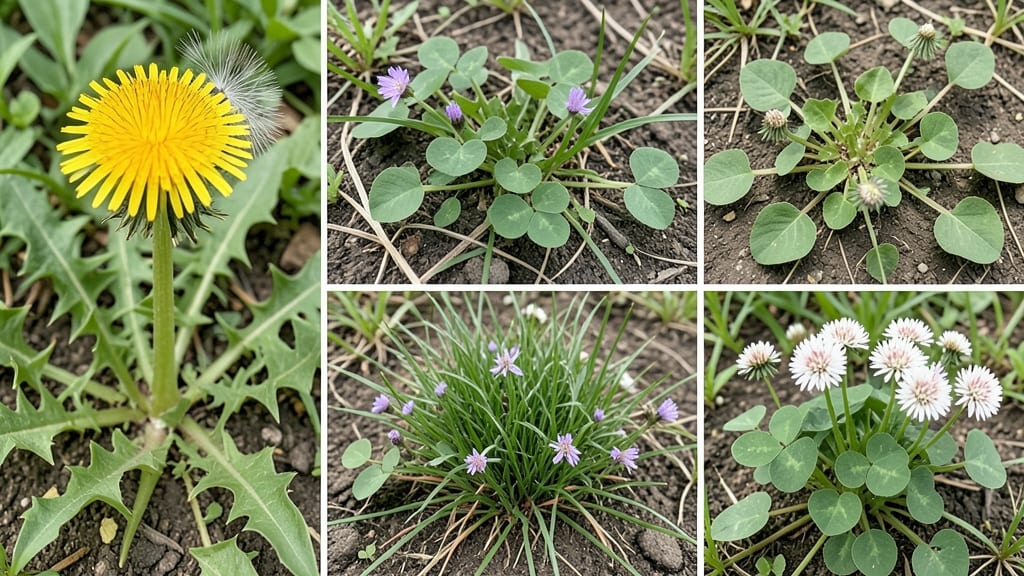
Identifying the most common NJ lawn weeds before they take over saves you hours of backbreaking work—and a yard that looks like a meadow. 🌱 I’ve spent three summers battling the same stubborn invaders that pop up in my Jersey lawn every spring, and these 10 weeds are the worst culprits.
The secret to beating them isn’t just pulling what you see, but knowing which ones to target first based on their growth patterns and root systems.
Crabgrass, dandelions, and clover top the list, but don’t overlook creeping Charlie or nutsedge—these weeds spread faster than you’d think. The good news? Most can be controlled with the right timing and tools, whether you’re using organic methods like corn gluten meal or targeted herbicides.
The key is acting before they seed, which for many weeds happens in late summer.
By the end of this guide, you’ll spot these weeds the second they poke through your grass and know exactly how to stop them. Your lawn will thicken naturally, crowding out invaders before they get a foothold.
No more patchy, weedy eyesores—just a lush, healthy carpet that holds up to Jersey’s humid summers and unpredictable winters.
We’ll cover everything from pre-emergent treatments in early spring to post-emergent spot treatments, plus how to fix bare spots that let weeds move in. Whether you’re dealing with a small patch or a full-blown takeover, these strategies work for any NJ yard—no matter how stubborn the weeds.
📚 In This Guide
- What you need
- Instructions
- Tips and common mistakes
- Wrapping up and next steps
What you need
- ● Garden gloves – A pair of durable, chemical-resistant gloves (e.g., nitrile or rubber-coated) to protect your hands from irritants and sharp edges.
- ● Hand weeder or dandelion digger – A sturdy, long-handled tool (like a Fiskars or Radiah brand) for deep-rooted weeds like dandelions and clover.
- ● Hoe or grass rake – A bow-shaped hoe (e.g., Fiskars) or a plastic grass rake to uproot shallow weeds and loosen soil.
- ● Lawn shears or pruners – Bypass pruners (like Felco or Corona) for trimming stubborn weed stems or overgrown grass.
- ● Broadcast spreader – A handheld or wheel-mounted spreader (e.g., Scotts or Brill) for even herbicide application (if using pre- or post-emergent treatments).
- ● Spray bottle or garden sprayer – A 1-gallon pump sprayer (e.g., Chapin) for targeted herbicide or vinegar solutions.
- ● Pre-emergent herbicide – Corn gluten meal (organic) or prodiamine-based products (e.g., Spectracide) to prevent weed seeds from sprouting.
- ● Post-emergent herbicide – Selective herbicides like 2,4-D (for broadleaf weeds) or glyphosate (e.g., Roundup) for non-selective killing. Always follow label instructions!
- ○ Vinegar (optional, for organic control) – White vinegar (20-30% acetic acid) mixed with 1% dish soap for spot treatments (best for small areas).
- ● Mulch or compost – Shredded bark or straw mulch (2–3 inches thick) to suppress weed growth in garden beds.
- ● Clear weather – Aim for a dry, sunny day (avoid rain for 24–48 hours after herbicide application).
- ● Mown lawn – Cut grass to 2.5–3.5 inches tall before treating to maximize herbicide effectiveness.
- ○ Soil test (optional but helpful) – Check pH levels (ideal: 6.0–7.0 for most NJ lawns) to ensure weeds aren’t thriving due to poor soil health.
- ● Safety gear – Sunglasses, long sleeves/pants, and a face mask if applying granular herbicides to avoid inhalation.
- ● Label matters! – Always read herbicide labels for application rates, safety precautions, and reapplication timelines.
- ● Spot treat first – Use a spray bottle for small weed patches before breaking out the big guns.
- ● Timing is everything – Apply pre-emergent herbicides in early spring (before weeds sprout) and post-emergent in late spring/early summer.
- ● Replenish supplies – Keep a small kit in your shed with gloves, a weeder, and herbicide for quick fixes.
Step-by-step guide to identifying and eradicating NJ lawn weeds
Here's how I tackle the most stubborn weeds plaguing NJ lawns—without harsh chemicals.
🌱 Step 1: Learn the Top 10 NJ Weeds by Sight and Touch
Start by memorizing these 10 persistent weeds that dominate NJ lawns: dandelions (deep taproots), crabgrass (spiky seed heads), clover (three-leaf clusters), chickweed (tiny white flowers), nutsedge (grass-like but with triangular stems), plantain (broad, ribbed leaves), henbit (purple flowers), creeping Charlie (square stems), violet (heart-shaped leaves), and black medic (yellow flowers with black seeds).
Grab a few weeds from your lawn and examine their leaf shape, stem texture, and root structure. Dandelions have milky sap when cut, while nutsedge feels smooth and waxy. This hands-on approach helps you spot them faster during removal. I keep a small notebook with sketches of each weed—it saves time when identifying them mid-pull.
✂️ Step 2: Choose the Right Removal Tool for Each Weed Type
For taproot weeds like dandelions and plantain, use a dandelion weeder or a sturdy hand fork to dig deep—at least 6 inches—to avoid regrowth. For shallow-rooted weeds like chickweed and henbit, a hand trowel works best. Crabgrass and nutsedge require gloves and a hoe to cut below the soil surface.
I always keep a small bucket nearby to toss weeds into—this prevents spreading seeds. Never pull weeds when the ground is wet; dry, sunny days make roots easier to extract. If you're dealing with creeping Charlie or clover, a sharp edging tool helps sever underground runners before they spread further.
💧 Step 3: Apply Targeted Removal Techniques
For broadleaf weeds (dandelions, plantain, violets), pull slowly and firmly at the base—twisting helps break taproots. For grassy weeds (crabgrass, nutsedge), slice just below the soil line with a hoe to prevent seed formation. Repeat weekly until the lawn is clear, as weeds regrow quickly from missed roots or seeds.
If a weed keeps returning, spot-treat with vinegar (5% acetic acid) mixed with 1 tablespoon dish soap per gallon—this kills weeds without harming grass. Apply on a dry, windless day and avoid spraying desirable plants. I test a small area first to ensure it doesn’t discolor your lawn.
☀️ Step 4: Prevent Regrowth with Smart Lawn Care
After removal, mow high (3-4 inches) to shade out weed seeds and strengthen grass. Water deeply but infrequently—weeds thrive in dry, patchy lawns. Overseed bare spots in early fall with tall fescue or perennial ryegrass, which outcompetes weeds for sunlight and nutrients.
Apply a thin layer of compost (¼ inch) in spring to improve soil health—thick, healthy grass naturally crowds out weeds. I also set a weekly reminder to check for new weeds, especially after rain, when seeds germinate fastest. Consistency is key—weeds don’t disappear overnight, but a well-maintained lawn makes them far less noticeable.
⏰ Step 5: Schedule Seasonal Weed Control
Spring and fall are the best times to tackle weeds—spring for broadleaf weeds and fall for crabgrass prevention. In early spring, apply corn gluten meal (a natural pre-emergent) to block weed seeds from sprouting. In late summer, thin the lawn to improve airflow and reduce weed-friendly conditions.
By mid-fall, aerate and overseed to fill gaps before winter dormancy. I mark my calendar with monthly weed checks—this keeps invasions small and manageable. The goal isn’t perfection but a lawn that stays ahead of weeds naturally, without constant battles.
Tips & tricks for perfect NJ lawn weed eradication
Real talk: Weed removal isn't just about pulling plants—it's about strategy. These tricks will help you tackle NJ's toughest invaders without wasting time or energy.
Identification Shortcut: Keep a small plastic bag with samples of each weed type (dandelion, plantain, nutsedge) in your tool shed. When you're unsure what you're pulling, compare the leaf shape and stem texture to your samples. I've saved hours by eliminating guesswork this way—no more pulling wrong plants or leaving weeds behind. The key is those 6-inch deep roots for taproot weeds like dandelions, so make sure you're getting the whole plant.
Tool Organization: Store your weed removal tools in a labeled bucket with separate compartments: one for dandelion weeders, one for hand forks, one for hoes, and one for trowels. I keep a small chalkboard on the bucket to mark which tools work best for which weeds. This prevents fumbling through your garage when you're mid-pull and saves you from using the wrong tool. For example, that sharp edging tool is only for creeping Charlie—don't use it on dandelions!
Vinegar Application Technique: When spot-treating with vinegar, use a spray bottle with a fine mist nozzle to avoid overspray. Apply directly to the weed leaves on a dry, windless morning—this gives the vinegar time to work before evaporation. I always test a small patch first, especially near desirable plants. The 1 tablespoon dish soap per gallon helps the vinegar stick to the leaves, but too much can leave residue on your lawn.
Seasonal Timing: Mark your calendar for these critical windows: early spring for broadleaf weeds (that's when they're most vulnerable), late summer for crabgrass prevention, and mid-fall for aerating and overseeding. I set phone reminders for these dates because NJ's unpredictable weather can throw off your schedule. The weekly checks after rain are non-negotiable—weeds germinate fast when conditions are right.
Pro Tips for Common Nj Lawn Weeds
- Real talk: Weed removal isn't just about pulling plants—it's about strategy.
- Identification Shortcut: Keep a small plastic bag with samples of each weed type (dandelion, plantain, nutsedge) in your tool shed.
- Tool Organization: Store your weed removal tools in a labeled bucket with separate compartments: one for dandelion weeders, one for hand forks, one for hoes, and one for trowels.
Frequently asked questions
Got questions about tackling those pesky NJ lawn weeds? You're not alone!
Here are some of the most common concerns homeowners have—and the answers to help you reclaim your yard.
What’s the best time of year to treat weeds in New Jersey?
The ideal window is early spring (March–April) or late summer (August–September). Pre-emergent herbicides work best in spring before weeds sprout, while post-emergent treatments (like for crabgrass) are most effective in summer when weeds are actively growing. Pro tip: Avoid applying herbicides before heavy rain—it can wash them away!
Are store-bought weed killers safe for my lawn and pets?
Most selective herbicides (like those for dandelions or clover) are safe for grass but can harm pets if ingested. Always:
- Apply when pets aren’t on the lawn (wait 24–48 hours).
- Choose pet-safe options like vinegar-based sprays (though they’re less effective on tough weeds).
- Store products securely and rinse hands after use.
Why do weeds keep coming back even after I treat them?
Weeds often rebound due to:
- Missed seeds: One weed plant can produce thousands of seeds—hand-pull or spot-treat new sprouts.
- Shallow roots: Pull weeds after rain when soil is soft, or use a weed torch for deep-rooted invaders like nutsedge.
- Poor lawn health: Thick, healthy grass crowds out weeds. Aerate and overseed bare spots in fall.
Is it cheaper to pull weeds by hand or use herbicides?
It depends on the weed and lawn size:
Method
Cost (Per Season)
Effectiveness
Best For
Hand-pulling
$0–$20 (gloves, tools)
Moderate (labor-intensive)
Small lawns, organic gardens, or spot treatment
Pre-emergent herbicide
$30–$80
High (prevents 80%+ of weeds)
Large lawns, crabgrass prevention
Post-emergent spray
$20–$50
High (targets existing weeds)
Established weed patches (e.g., clover, dandelions)
How can I prevent weeds without chemicals?
Try these natural, low-effort strategies:
- Mulch thickly: Apply 3–4 inches of mulch around garden beds to block light and suppress weeds.
- Smother with cardboard: Cover bare soil with wet cardboard or newspaper, then top with mulch.
- Encourage grass growth: Overseed thin areas in fall and fertilize regularly.
- Boiling water: Pour on weeds like henbit or plantain—it kills them instantly!
Wrapping up and next steps
Dealing with common NJ lawn weeds doesn’t have to feel like a losing battle—knowledge is your best weapon! 🌱 By identifying these persistent invaders early and using the right tools (like pre-emergent treatments, manual removal, or targeted herbicides), you can reclaim your lawn’s lushness.
Start small: tackle one weed type at a time, and soon, your yard will be the envy of the neighborhood.
Ready to take action? Pick one method from this guide today—whether it’s pulling crabgrass by hand, applying corn gluten meal preemptively, or spot-treating clover. Your future lawn will thank you! 🌿✨