
Pests and Diseases
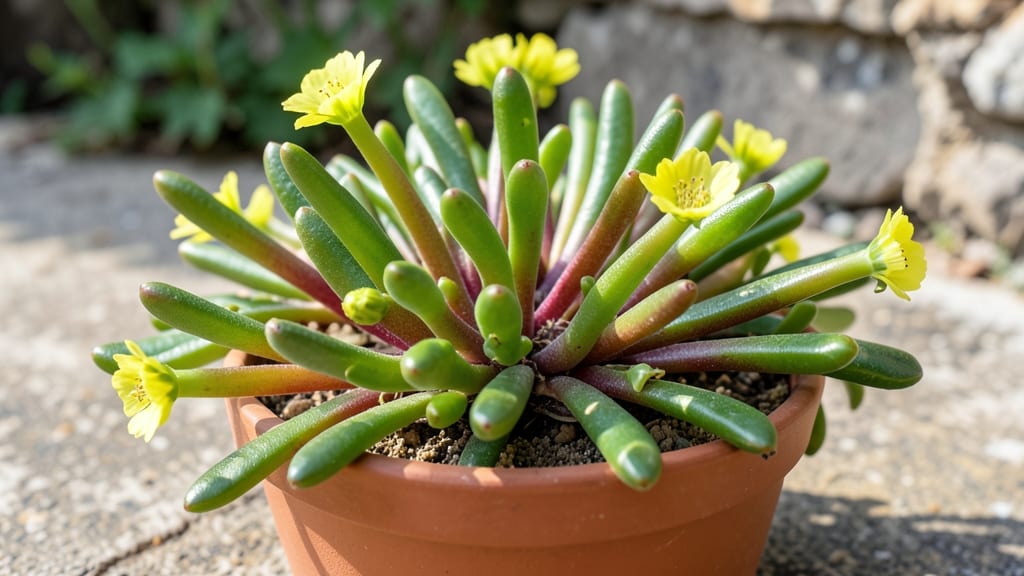
That bright green, succulent weed thriving in your garden beds isn’t just a nuisance—it’s common purslane, and it’s outcompeting your lettuce in the heat. 🌱 I’ve spent years pulling it out only to watch it bounce back, but now I know its secrets: how to identify it, why it’s so aggressive, and whether you should actually be eating it.
Purslane’s thick, fleshy stems and tiny yellow flowers make it easy to spot, but its real power comes from its heat tolerance. It stores water in its leaves, so it stays lush when most weeds wilt.
The good news? It’s edible—packed with omega-3s—and some gardeners even let it grow intentionally. The bad news? It spreads fast, choking out your plants if left unchecked.
You’ll need a mix of manual pulling (best after rain), mulching to block sunlight, and—if needed—spot treatments with vinegar or herbicides. I’ve found that consistent removal in early spring stops it from taking over by summer.
The key is acting before it seeds, because one plant can produce thousands of tiny black seeds.
Once you understand its lifecycle, you’ll see it’s not just a weed—it’s a survivor. Use its persistence to your advantage by either eradicating it or harvesting it for salads. Either way, you’ll never look at those bright green patches the same way again.
📚 In This Guide
- What you need
- Instructions
- Tips and common mistakes
- Wrapping up and next steps
What you need
- ● Gloves: Heavy-duty gardening gloves (1 pair) – purslane’s sap can irritate skin!
- ● Hand Trowel or Weeding Tool: Sturdy, long-handled (6–12 inches) for deep roots.
- ● Pruners or Shears: Sharp, bypass-pruning type (for thicker stems).
- ○ Garden Fork: Optional but helpful for stubborn root systems.
- ● Bucket or Bin: 5+ gallon capacity for collecting weeds or harvests.
- ● Spray Bottle (if using herbicides): 16oz with fine mist nozzle (for targeted applications).
- ● Labeling Tags: Waterproof markers + stakes (if testing edibility or tracking growth).
- ● Vinegar Solution: 1 gallon white vinegar + 1 cup salt + 1 tbsp dish soap (for organic removal).
- ● Mulch: Straw or cardboard (to suppress regrowth).
- ● pH Test Kit: To check soil acidity (purslane thrives in 6.0–7.5 pH).
- ● Food-Safe Storage: Paper towels + airtight containers (if harvesting for eating).
- ● Camera/Phone: For documenting growth stages or comparing with edible lookalikes.
How to identify, grow, and harvest common purslane
This heat-loving green thrives where lettuce wilts—here's how to turn it from a weed to a kitchen staple.
🌱 Step 1: Spot and Confirm Purslane in Your Garden
Purslane grows low to the ground in thick, succulent mats with reddish stems and purslane-shaped leaves (thick, oval, and slightly fleshy). Look for it in sunny, sandy soil where other plants struggle—it's often the only green still standing in summer. The leaves are smooth and juicy, not fuzzy like lamb's quarters.
Here's the thing—purslane reproduces from broken stem pieces. If you see it in one spot, check nearby areas. The plant spreads aggressively, so you'll likely find clusters. Pull a sample and snap off a stem to check the milky sap, a key identifier. This sap is harmless but confirms it's purslane, not a lookalike.
🌿 Step 2: Encourage Purslane Growth in Your Garden
Purslane thrives in full sun and poor, dry soil, so don't try to grow it like lettuce. If you want more, leave some plants in place after harvest—they'll regrow quickly. Water lightly only when the soil feels completely dry, as overwatering causes rot.
I've found that purslane grows best in sandy or gravelly soil with minimal nutrients. If your garden soil is rich, mix in some coarse sand or gravel to mimic its natural conditions. The plants will spread rapidly, creating a dense ground cover that suppresses weeds and stays green in 90°F+ temperatures.
✂️ Step 3: Harvest Purslane at Peak Flavor
Harvest young leaves and stems when they're 2-4 inches long for the best flavor and tenderness. Older plants become tougher and more bitter. Use clean scissors or pinch off stems just above a leaf node to encourage bushier growth. Avoid pulling entire plants, as this can damage the roots.
Real talk: purslane regrows quickly after harvest. If you leave a few inches of stem, new shoots will appear within 3-5 days. Harvest in the morning when the leaves are crispest and most flavorful. Store in a plastic bag in the fridge for up to 5 days—it stays fresh longer than most greens.
💧 Step 4: Cook or Eat Purslane Fresh
Purslane has a mild, slightly tangy flavor similar to spinach but with a crisp texture. Eat it raw in salads, or cook it like you would any green. It's packed with omega-3 fatty acids, making it one of the healthiest greens you can grow. For best results, wash thoroughly and pat dry before using.
I like to sauté purslane with garlic and olive oil for a quick side dish. The leaves wilt down beautifully and retain their bright green color. You can also blend it into soups or smoothies for a nutrient boost. The seeds are edible too—let some plants flower and go to seed for a bonus harvest.
☀️ Step 5: Prevent Purslane from Taking Over
If purslane spreads beyond your desired area, it's easy to control. Pull young plants by hand when the soil is moist, or use a hoe to cut stems at ground level. The key is consistency—don't let it go to seed, or you'll have a persistent patch next year.
Here's the method I use: I harvest purslane regularly in my garden beds, keeping it contained in one area. This way, I enjoy the benefits without it becoming a nuisance. If you're growing it intentionally, a 6-inch deep container works well for controlling its spread while still producing plenty of greens.
Tips & tricks for perfect purslane harvest
Turning that stubborn garden weed into a delicious green takes just a few smart moves—here's how to get the most out of your purslane.
Identification Secret: The milky sap test in Step 1 is your best friend. If you're unsure, snap a stem and look for that telltale white liquid—this confirms it's purslane, not a lookalike like lamb's quarters. I've caught myself pulling the wrong plant before, so trust this visual cue over everything else. The reddish stems also give it away when you're scanning your garden in summer heat.
Growth Hack: Purslane thrives in poor soil, so don't amend your garden beds with compost before planting. The sandy or gravelly conditions in Step 2 are key—mix in coarse sand if your soil is too rich. I've seen purslane grow lush in 90°F+ temperatures while other greens bolt, making it the perfect summer crop. Just remember: water only when the soil feels bone dry to prevent rot.
Harvest Timing: Those 2-4 inch stems in Step 3 are your sweet spot for flavor. I harvest mine every morning for salads, then again in the afternoon for cooking. The regrowth happens fast—new shoots appear within 3-5 days if you leave a few inches of stem. Pro tip: Use clean scissors instead of pulling to avoid damaging the roots and encourage bushier regrowth.
Storage Wisdom: Purslane stays fresher longer than most greens thanks to its succulent nature. After washing, pat completely dry and store in a plastic bag with a paper towel to absorb excess moisture. The 5-day fridge life mentioned in Step 3 holds true, but I've kept mine fresh for up to a week by changing the paper towel every couple of days.
Pro Tips for Common Purslane Weed
- Turning that stubborn garden weed into a delicious green takes just a few smart moves—here's how to get the most out ...
- Identification Secret: The milky sap test in Step 1 is your best friend. If you're unsure, snap a stem and look for t...
- Growth Hack: Purslane thrives in poor soil, so don't amend your garden beds with compost before planting. The sandy o...
Frequently asked questions
Got questions about common purslane weed? You’re not alone!
Here are some of the most common queries—and answers—to help you navigate this resilient, edible green with confidence.
Is common purslane really edible, or is it just a pesky weed?
Common purslane (Portulaca oleracea) is a nutrient-packed edible green with a mild, slightly tangy flavor. It’s been eaten for centuries in Mediterranean, Middle Eastern, and Asian cuisines. Just ensure it’s harvested from pesticide-free areas (like your garden or organic farms) to avoid contaminants.
When is the best time to harvest purslane for eating?
Harvest young shoots and leaves before they flower (typically in spring or early summer) for the tenderest texture. Mature plants develop a slightly crunchy, citrusy taste but are still edible. For best flavor, pick in the morning after dew has dried—this concentrates nutrients and makes it crispier.
How do I tell the difference between common purslane and toxic lookalikes?
Purslane is succulent, prostrate, and bright green with reddish stems and yellow flowers. Toxic lookalikes (like pigweed) often have hairy stems, red veins, or a bitter taste. When in doubt, avoid eating plants with milky sap or a strong odor—stick to confirmed purslane or consult a local foraging guide.
Can I grow purslane as a crop instead of pulling it as a weed?
Yes! Purslane thrives in hot, dry conditions—perfect for summer gardens. Sow seeds directly in well-draining soil and space plants 6–12 inches apart. It’s drought-tolerant and grows quickly, but watch for spider mites in heatwaves. Harvest often to encourage bushier growth!
What’s the easiest way to cook purslane if I’m new to eating weeds?
Start simple! Raw purslane works great in salads (toss with lemon juice to tame its natural tang). For cooking, sauté it like spinach: wilt in olive oil for 2–3 minutes, then add garlic or feta. It also blends into soups, pestos, or omelets—no fancy prep needed!
Wrapping up and next steps
Common purslane isn’t just a resilient weed—it’s a nutrient-packed, heat-loving superfood that can thrive where other greens fail.
Whether you’re tackling it as a garden pest or harvesting it for salads, understanding its growth habits and benefits puts you ahead of the game. Now’s your chance to turn that "weed" into a win!
🌱 Your Next Step:
- Try it out! Grow a small patch in your garden or forage responsibly in your yard.
- Experiment in the kitchen. Blend it into smoothies, toss it in salads, or sauté it like spinach.
- Share the knowledge. Spread the word about this underrated green—your garden (and taste buds) will thank you!