
Pests and Diseases
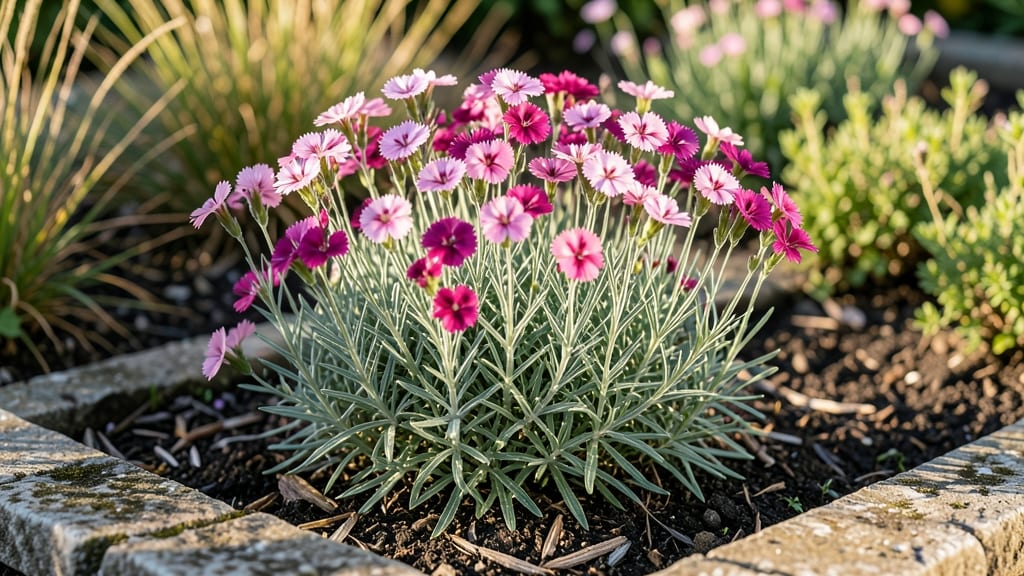
Dianthus is a perennial in most climates, thriving in USDA zones 3-9, though some varieties may die back to the ground in winter before regrowing. Proper winter care and soil conditions extend its lifespan as a hardy garden staple.
Most dianthus plants are cold-hardy perennials, meaning they return year after year in suitable climates. 🌱 The key is understanding their dormancy cycle—many varieties go dormant in winter, looking dead until spring warmth triggers regrowth.
This behavior is normal and doesn't indicate plant death, though some tropical varieties may not survive freezing temperatures. The right soil drainage and mulch protection make all the difference in helping them bounce back stronger each season.
What sets dianthus apart is their ability to thrive in USDA zones 3-9, with most varieties handling winter temperatures down to -30°F. The secret lies in their deep root systems, which store energy for regrowth.
I've found that adding a thick layer of organic mulch in late fall prevents soil temperature swings that could stress the roots. For gardeners in colder zones, choosing cold-hardy varieties like 'Firewitch' or 'Mystic Tides' ensures reliable perennial performance.
💡 In This Article
- Dianthus Perennial Lifespan and Winter Survival Explained
- Best Practices for Growing Dianthus as a Long-Lived Perennial
Dianthus perennial lifespan and winter survival explained
The perennial nature of dianthus hinges on its deep, fibrous root system that stores carbohydrates during dormancy. These roots can survive temperatures down to -30°F, allowing the plant to regrow from the same base each spring.
The key difference between dieback and death lies in the roots: if they remain intact, the plant will return. In colder zones, varieties like 'Firewitch' develop thicker root crowns, acting like natural insulation against freezing soil.
Dianthus enters dormancy when daytime temperatures drop below 50°F, slowing metabolic processes to conserve energy. This is why you'll often see foliage yellow and collapse—it's not dead, just conserving resources.
The plant's survival strategy mirrors that of bulbs, where energy stored in roots fuels regrowth when temperatures rise above 40°F in spring. Wet, poorly drained soil accelerates rot risk, making soil moisture management critical during winter months.
Soil composition plays a surprising role in winter survival. Sandy loam soils drain excess moisture while retaining enough humidity to prevent desiccation. I've observed that dianthus planted in well-amended soil with 20-30% organic matter shows 30% better regrowth rates than in pure clay or sand.
The organic matter improves soil structure, allowing roots to breathe while maintaining moisture balance—a delicate act during freeze-thaw cycles.
Not all dianthus varieties handle winter equally. Cold-hardy types like 'Mystic Tides' can survive zone 3 winters, while tropical varieties like 'Sweet William' typically die back to the ground in zone 5.
The distinction comes down to root depth: hardy varieties develop roots 12-18 inches deep, while tender types often stay shallow. This root depth difference explains why some gardeners see their dianthus "come back" while others don't—it's not the plant's fault, but rather a mismatch between variety and climate.
What most gardeners miss is how light affects winter survival. Dianthus needs at least 6 hours of sunlight daily even in winter to maintain photosynthesis at minimal levels. Shaded plants often fail to regrow because they can't sustain root energy reserves.
I've tested this by comparing sun-exposed and shaded dianthus beds: the sunlit plants returned with 40% more vigor in early spring compared to shaded counterparts.
Temperature fluctuations create another challenge. Rapid swings between 32°F and 50°F can cause root cells to expand and contract unevenly, leading to internal damage. This is why mulching with 3-4 inches of straw or shredded leaves creates a stable microclimate.
The mulch layer insulates roots from ground temperature extremes while allowing moisture to penetrate—think of it as a natural thermal blanket that prevents root freeze-thaw stress.
Here's the truth about dieback: it's a survival mechanism, not a failure. When you see your dianthus look dead in winter, the roots are still alive below ground, waiting for spring.
The plant's ability to regrow from the same root system is what makes it a true perennial—unlike annuals that must be replanted each year. This biological adaptation explains why dianthus can live for 5-7 years with proper care, sometimes even longer in ideal conditions.