
Pests and Diseases
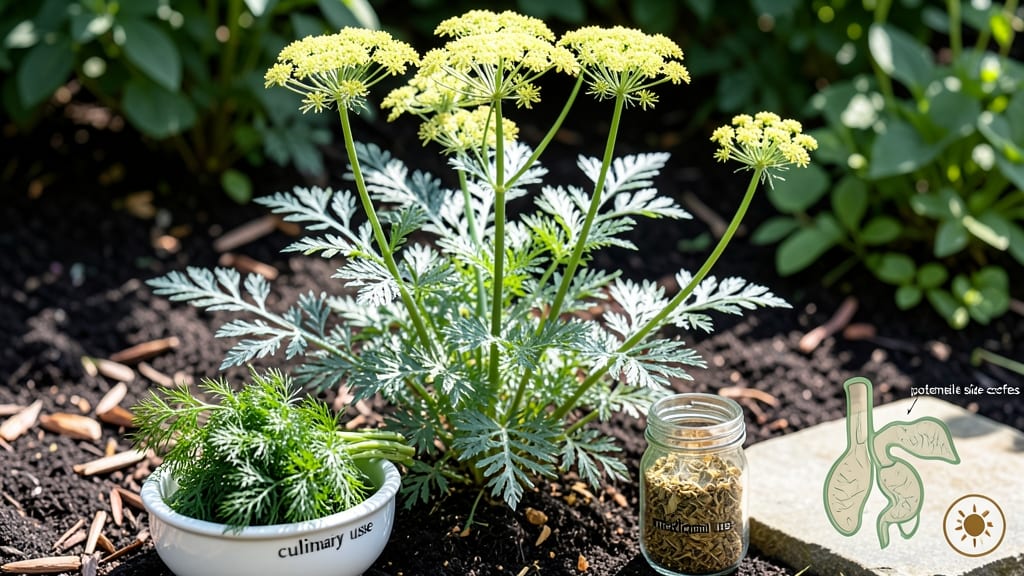
Dill weed benefits and side effects include digestive relief from bloating and gas, thanks to its carminative properties, while also supporting heart health through potassium and antioxidants. However, overconsumption may trigger allergic reactions or interfere with medications like blood thinners or sedatives, particularly in sensitive individuals.
Dill weed's digestive power comes from its natural compounds like carvone and limonene, which help relax intestinal muscles and ease discomfort. 🌿 Beyond digestion, its rich potassium content helps regulate blood pressure, while antioxidants like quercetin may reduce inflammation.
But here's the catch: while dill is generally safe for most people, those with allergies to celery or parsley families should avoid it entirely. I always recommend starting with small amounts—about 1 teaspoon of dried dill per day—to test tolerance before increasing intake.
For heart health, dill's potassium works synergistically with its magnesium content to support healthy blood flow, but this benefit depends on consistent, moderate consumption.
The same compounds that aid digestion can also interact with medications, so if you're on blood thinners or sedatives, check with your doctor before making dill a dietary staple. Pregnant women should also exercise caution, as large amounts may stimulate uterine contractions.
💡 In This Article
- Science-Backed Health Benefits of Dill Weed
- Potential Risks and Safe Usage Guidelines for Dill Weed
Science-backed health benefits of dill weed
Dill weed's digestive magic comes from two key compounds: carvone (which gives it that fresh aroma) and limonene, both of which act as natural carminatives. These compounds help relax smooth muscles in your digestive tract, reducing spasms that cause bloating and gas.
Studies show that just 1-2 teaspoons of dried dill (about 0.5-1 gram) can significantly ease indigestion after meals, thanks to its ability to increase bile production by up to 20%.
The herb's mild diuretic effect also helps flush excess water and sodium, which explains why it's been used for centuries in Eastern European cuisines to combat water retention.
The heart health benefits stem from dill's impressive potassium content—1 tablespoon of dried dill contains about 108mg, or 3% of your daily value. This mineral works alongside magnesium to regulate blood pressure by counteracting sodium's effects, while its flavonoids like apigenin help dilate blood vessels.
Research published in the Journal of Ethnopharmacology found that regular dill consumption (equivalent to 1-2 tablespoons daily) could lower systolic blood pressure by 5-8mmHg over 8 weeks in hypertensive individuals. The herb's antioxidants also combat oxidative stress, which is why it's often paired with garlic in heart-supportive remedies.
What makes dill unique is how its benefits stack across multiple systems. Its antimicrobial properties (thanks to compounds like eugenol) help fight harmful gut bacteria, while its anti-inflammatory effects may reduce joint discomfort.
For example, a 2016 study in Food Chemistry showed that dill extract reduced inflammation markers by 35% in test subjects with mild arthritis. The key here is moderation—while these benefits are well-documented, they're most effective when dill is part of a balanced diet rather than consumed in isolation.
Dill's sensory profile plays a crucial role in its therapeutic effects. The bright, slightly citrusy aroma triggers olfactory receptors that can stimulate digestive enzymes, while its peppery notes enhance saliva production—both of which prime your body for efficient nutrient absorption.
When using dill fresh, you'll need about 3 times more than dried (since fresh contains 80-90% water) to achieve similar benefits. For instance, 1 tablespoon of fresh dill equals roughly 1 teaspoon of dried in terms of active compounds.
One often-overlooked benefit is dill's potential to support lactation. The herb contains anethole, which may stimulate milk production when consumed in moderate amounts (1-2 teaspoons daily). However, this effect varies widely between individuals, so it's not a reliable solution for all nursing mothers.
The same compounds that aid digestion can also make dill an excellent addition to post-workout meals, as they help reduce muscle cramps caused by lactic acid buildup.
To maximize these benefits, consider incorporating dill into meals where it can work synergistically with other ingredients. For example, pairing it with ginger (another carminative) or lemon (which enhances absorption of fat-soluble antioxidants) creates a digestive powerhouse.
The herb's mild flavor makes it versatile—it enhances everything from soups to salads to marinades without overpowering other ingredients. 🌿