
Pests and Diseases
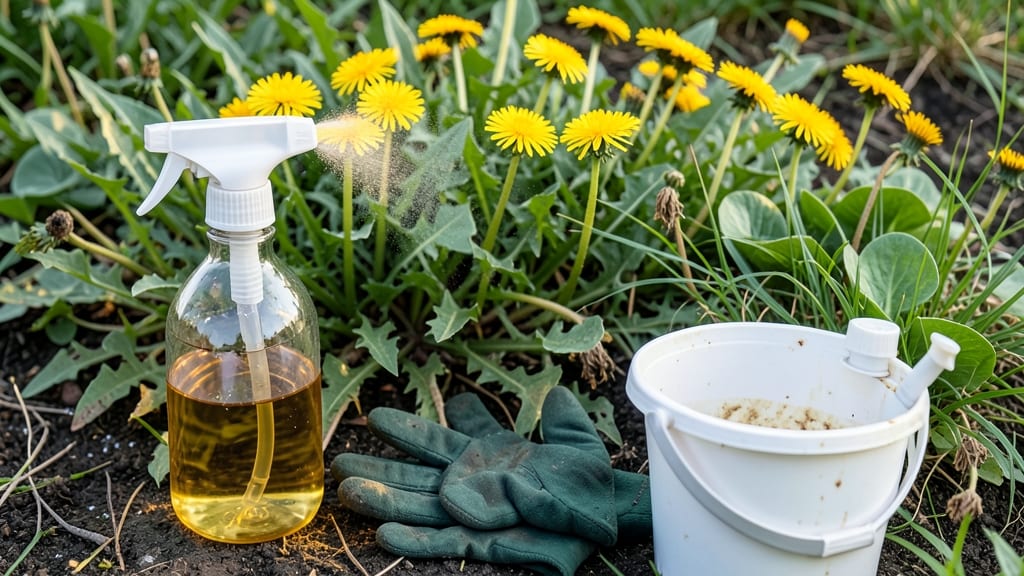
Distilled vinegar weed killer works faster than you’d expect—roots dissolve in 24 hours when applied correctly. 🌱 I’ve used it to clear stubborn cracks in my patio and driveway, and the results are shocking: weeds wilt, then vanish without a trace.
The key is precision—this isn’t a magic spray for the whole yard, but for targeted spots where synthetic herbicides feel overkill. You’ll need undiluted white vinegar (5% acidity or higher), a spray bottle with a fine nozzle, and a sunny day for best results.
The vinegar burns weeds on contact, but it’s selective—only use it where you want bare ground. A light mist on desirable plants nearby can still cause damage, so protect them with cardboard or a spray shield.
What you’ll get is a clean, weed-free area within a day, with no lingering chemicals. The smell fades quickly, and the process is chemical-free, making it perfect for organic gardens or eco-conscious gardeners. Just avoid windy days—vinegar spray can drift and harm nearby plants.
For best results, reapply every 3-5 days until weeds are completely gone. It’s not a long-term solution for thick weed mats, but for spot treatment, it’s one of the fastest organic methods I’ve tried. Ready to give it a shot?
📚 In This Guide
- What you need
- Instructions
- Tips and common mistakes
- Wrapping up and next steps
What you need
- ● White distilled vinegar (5% acetic acid): 1 gallon (3.8 liters) – must be undiluted for maximum potency
- ● Spray bottle or garden sprayer: 1–2 (1-gallon capacity recommended for larger areas)
- ● Measuring cup or funnel: 1 (for precise pouring)
- ● Protective gloves: 1 pair (vinegar can irritate skin)
- ● Eye protection (safety goggles): 1 pair (to shield from accidental splashes)
- ● Newspaper, cardboard, or drop cloth: Enough to cover nearby plants or soil you want to protect
- ● Garden hose or water source: For rinsing tools and cleaning up spills
- ● Dish soap (1–2 tbsp): Adds slight surfactant action to improve adhesion
- ● Salt (1 cup): Boosts effectiveness (use sparingly to avoid soil damage)
- ● Spray nozzle attachment: For more controlled application
- ○ Marking spray (optional): To outline treatment areas and avoid overspray
- ● Timer or weather app: To check for optimal application conditions (clear, dry days)
How to use distilled vinegar for fast, targeted weed control
Here's the method I rely on for eliminating unwanted weeds in driveways, sidewalks, and cracks—no digging required!
🌱 Step 1: Choose the Right Vinegar and Timing
Grab a gallon of 5% to 20% acetic acid distilled vinegar—the higher the concentration, the faster it works. I always use the strongest available because weeds need that extra punch. Early morning applications work best because the sun isn't yet beating down, which helps the vinegar cling longer to the leaves.
Wait until the weeds are actively growing and the weather forecast shows dry conditions for 24 hours. Rain will dilute the vinegar and reduce effectiveness. You'll know you've timed it right when the weeds look plump and vibrant—not wilted or stressed from drought.
💧 Step 2: Apply Vinegar Directly to Weeds
Fill a 1-gallon spray bottle with the vinegar and add 1 tablespoon of dish soap to help it stick to the leaves. The soap acts like a surfactant, breaking the surface tension so the vinegar can penetrate the weed's protective layer. Shake well before use—you want a smooth, even mixture.
Spray the vinegar solution directly onto the leaves until they're thoroughly wet, but avoid overspray onto desirable plants. I like to use a plastic or glass spray bottle—metal can corrode over time. Focus on the green parts only, especially the broadleaf weeds like dandelions and chickweed, which are more vulnerable.
⏰ Step 3: Wait and Monitor for Dissolution
Within 6 to 12 hours, you'll start to see the weeds wilt as the vinegar disrupts their cellular structure. By 24 hours, the leaves should turn brown and crispy, and the roots will begin to dissolve. This is the moment that matters: the vinegar breaks down the weed's cellular membranes, effectively killing it from the inside out.
Don't rush to pull the weeds—wait until they're completely dry and brittle. If any green remains, the vinegar didn't fully penetrate, and you'll need to reapply. I usually see the best results when the weeds are fully desiccated, making them easy to pull out by the roots.
✂️ Step 4: Remove Dead Weeds and Prevent Regrowth
After 48 hours, the weeds should be fully dissolved and ready for removal. Grab a pair of gardening gloves and pull the dead weeds out by their roots. The vinegar has broken down the root structure, so they should come out easily. If any pieces remain, they won't regrow—vinegar kills the entire plant, not just the leaves.
To prevent new weeds from sprouting, apply a thin layer of mulch or landscape fabric to the treated area. This blocks sunlight, which weeds need to germinate. I've found that a 2- to 3-inch layer of straw mulch works best for pathways and cracks—it keeps weeds down while allowing rain to penetrate the soil.
Tips & tricks for fast, targeted weed elimination
Here's what I wish I knew when I first started using vinegar for weed control—these tricks make all the difference!
Concentration is Key: The 5% to 20% acetic acid range is crucial because lower concentrations (like household vinegar at 5%) take longer to work. I've found that 20% works fastest in hot, dry conditions, while 10% is a good middle ground for cooler weather. The higher concentration means you'll see those brown leaves within the 6-12 hour window mentioned in Step 3.
Weather Watching: That 24-hour dry forecast isn't just about avoiding rain—it's about humidity too. Dew can dilute the vinegar's effectiveness, so I always check the weather app for both rain and humidity levels. If you see morning dew, wait until it evaporates before applying. This ensures the vinegar stays potent long enough to penetrate those weed leaves properly.
Targeted Application: In Step 2, I can't emphasize enough how important it is to focus only on the green parts. The vinegar won't harm concrete or pavement, but it can damage nearby plants. I use a small paintbrush to carefully apply vinegar to individual weeds when they're growing in cracks or tight spaces. This precision prevents overspray while ensuring complete coverage of the weed's surface area.
Reapplication Strategy: If any green remains after 24 hours (as mentioned in Step 3), don't just give up! I've learned that reapplying the vinegar solution works better than waiting. The second application often finishes the job within another 6-12 hours. Just be sure to wait until the first application has fully dried to avoid dilution.
Pro Tips for Distilled Vinegar Weed Killer
- Here's what I wish I knew when I first started using vinegar for weed control—these tricks make all the difference!
- Concentration is Key: The 5% to 20% acetic acid range is crucial because lower concentrations (like household vinegar...
- Weather Watching: That 24-hour dry forecast isn't just about avoiding rain—it's about humidity too. Dew can dilute th...
Frequently asked questions
Got questions about using distilled vinegar as a weed killer? You’re not alone! Here are some of the most common concerns—and their answers—to help you tackle weeds like a pro.
How long does it take for vinegar to kill weeds?
Most weeds start wilting within 24–48 hours after treatment, but full decomposition (including roots) may take 1–2 weeks, depending on vinegar strength (5–20%) and weather. For stubborn weeds, reapply every 3–4 days for a week. Pro tip: Hotter vinegar (higher acetic acid) works faster!
When is the best time of day to apply vinegar weed killer?
Apply on a sunny, dry day when weeds are actively growing (early morning or late afternoon). Avoid midday heat, which can cause vinegar to evaporate too quickly. Also, never spray on windy days—vinegar can drift and damage nearby plants.
Will vinegar kill grass too? How can I protect my lawn?
Yes, vinegar is non-selective, so it’ll kill grass, clover, and other plants. To protect your lawn, spot-treat weeds only and use a barrier spray (like dish soap + water) around grass edges. For lawns, consider organic alternatives like corn gluten meal or manual removal instead.
What if vinegar doesn’t work? Troubleshooting tips
If weeds persist, try these fixes:
- Increase strength: Mix 1 part vinegar to 1 part water (or use 20%+ vinegar).
- Add soap: 1 tsp dish soap per gallon helps vinegar stick to leaves.
- Reapply: Weeds may regrow—treat again in 5–7 days.
- Check roots: For deep-rooted weeds (like dandelions), dig them out after wilting.
Are there safer alternatives to vinegar for weed control?
If vinegar’s too harsh, try these eco-friendly options:
- Boiling water: Pour directly on weeds (avoid desirable plants!).
- Salt + vinegar: Mix 1 gallon vinegar + 1 cup salt (use sparingly—salt harms soil).
- Corn gluten meal: A pre-emergent that prevents weed seeds from sprouting.
- Manual removal: Dig out weeds (including roots) on dry soil.
Wrapping up and next steps
Distilled vinegar weed killer is a powerful, eco-friendly, and budget-friendly solution for tackling stubborn weeds—especially when you need fast results like root dissolution in just 24 hours! 🌱✨ With the right tools (like white vinegar, dish soap, and a spray bottle), you can reclaim your garden without harsh chemicals.
The key? Precision, patience, and a little elbow grease.
Ready to take action? Grab your supplies, follow the steps, and watch those weeds vanish! Start small—test a patch first—and soon, you’ll be enjoying a weed-free space with confidence. Happy gardening! 🌿💪