
Plants
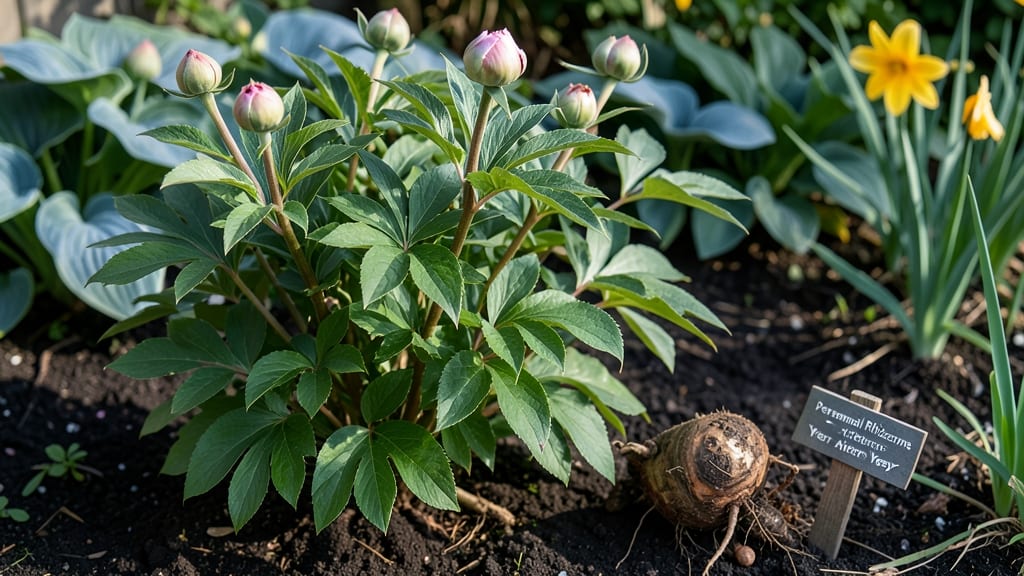
Yes, perennials come back every year by design, but they enter dormancy in winter, often dying back to the ground or losing leaves before regrowing from roots, tubers, or crowns when conditions improve. Proper care ensures their survival through seasonal cycles.
This annual regrowth is actually a survival strategy—perennials store energy in their roots or underground stems during the growing season, then tap into those reserves when spring returns. 🌱 Plants like hostas and peonies might look completely dead in winter, but their root systems remain alive and ready to burst back to life when temperatures rise and daylight increases.
The key difference from annuals is that perennials have built-in mechanisms to endure harsh conditions, making them low-maintenance choices for gardeners who want long-term beauty without replanting every year.
What sets perennials apart is their ability to adapt to seasonal changes through specialized structures. For example, tubers like dahlias store starches underground, while rhizomes in plants such as iris spread horizontally to create new growth points.
Even woody perennials like lavender survive by slowing metabolic processes during cold months—a process called acclimation. This biological resilience is why perennials thrive in gardens for years with minimal intervention, unlike annuals that complete their lifecycle in a single season.
💡 In This Article
- How Perennials Survive Winter Dormancy
- Caring for Perennials to Ensure Yearly Regrowth
How perennials survive winter dormancy
Perennials rely on a clever biological strategy called dormancy, where they slow down or halt growth during harsh conditions. Unlike annuals that complete their lifecycle in one season, perennials store energy in specialized underground structures like roots, tubers, or rhizomes.
For instance, peonies store starches in their thick, fleshy roots, while hostas use their fibrous root systems to conserve moisture. This stored energy acts like a natural battery, powering regrowth when temperatures rise in spring. 🌱
The dormancy process is triggered by two key factors: temperature drops below 50°F and reduced daylight hours. As nights grow longer and colder, plants produce hormones like abscisic acid, which signals cells to stop dividing and enter a resting state.
This is why you might see perennials like lavender or coneflowers lose their leaves—they're conserving energy by shedding non-essential parts. Interestingly, some perennials, like crocuses, actually bloom early in winter before full dormancy sets in, taking advantage of brief warm spells.
What makes this system so efficient is how perennials balance energy storage with survival. For example, tuberous plants like dahlias convert sunlight into starches during summer, storing them in their tubers.
These tubers can survive freezing temperatures down to 20°F because their cells produce protective proteins that prevent ice crystal formation. The same principle applies to rhizomatous plants like iris, where horizontal stems spread underground, creating multiple growth points that ensure regrowth even if some sections are damaged. 💫
Daylight plays an equally critical role. Perennials are sensitive to photoperiodism—the length of daylight they receive. As daylight shortens in autumn, plants detect this change through specialized proteins called phytochromes, which trigger the dormancy response.
This is why perennials planted in regions with longer winters often enter dormancy earlier than those in milder climates. The reverse happens in spring when increasing daylight and warmer soil temperatures signal the plant to resume growth, breaking dormancy through a process called vernalization.
Consider the case of woody perennials like roses or lilacs. These plants survive winter by producing antifreeze proteins that lower their cellular freezing point, similar to how some animals produce natural antifreeze in their blood. Additionally, their bark acts as insulation, protecting the living cambium layer beneath.
The cambium is the growth layer that will produce new leaves and stems in spring, making it the plant's most critical survival structure during dormancy. 🌿
One fascinating adaptation is how some perennials use bud scales to protect their growth points. These are modified leaves that form a tight covering over buds, trapping moisture and insulating them from cold. In early spring, the bud scales will dry out and fall away as new shoots emerge.
This layered protection system explains why perennials can survive multiple freeze-thaw cycles without damage—a trait that makes them ideal for gardeners in unpredictable climates. 🌡️