
Plants
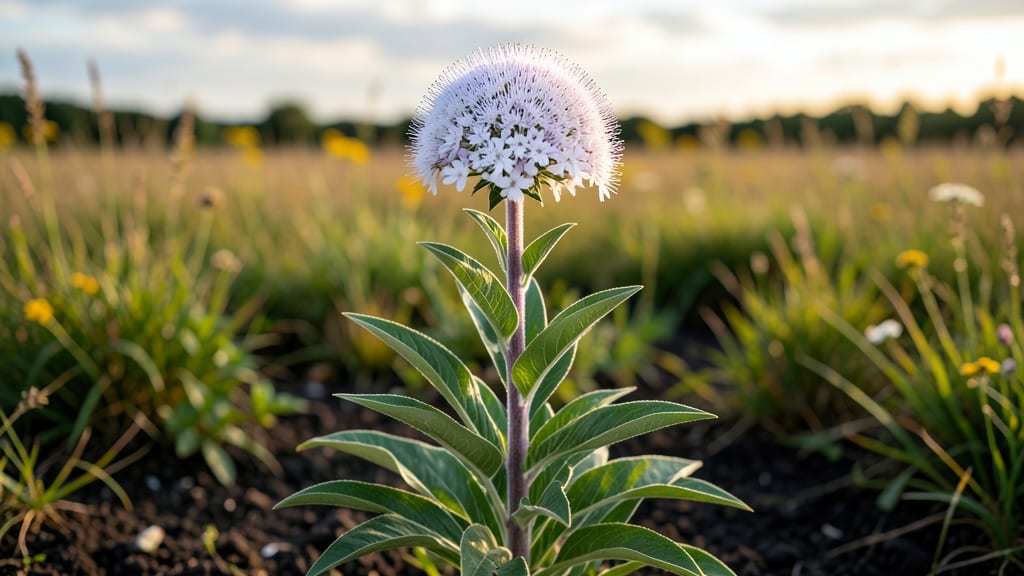
Growing white joe pye weed is like inviting a pollinator paradise into your garden—tall, airy blooms that hum with bees and butterflies from July through September.
I’ve watched mine grow from scraggly seedlings to towering, 6-foot stalks with almost no effort, proving this plant thrives on neglect as much as care. The secret lies in its adaptability: it handles wet soil, partial shade, and even tough urban conditions where other perennials struggle.
Start with a spot that gets full sun to partial shade and moist, well-draining soil—it’s the one plant that actually prefers damp conditions. Plant seeds in spring or divide clumps in early spring, and within a year, you’ll have clumps that spread gently without taking over.
The real magic? Minimal pruning—just cut back dead stems in late winter, and let nature do the rest. By midsummer, your garden becomes a magnet for monarchs, hummingbirds, and other pollinators, all while adding dramatic height and texture to your landscape.
📚 In This Guide
- What you need
- Instructions
- Tips and common mistakes
- Wrapping up and next steps
What you need
- ● White Joe Pye Weed plants: 1–3 nursery-grown plants (6–12 inches tall) or
- ● Seeds (start indoors 8–10 weeks before last frost)
- ● Well-draining soil: Mix of native soil + 2–3 inches of compost or peat moss (pH 6.0–7.5)
- ● Sunlight: Full sun (6+ hours/day) or partial shade (4–6 hours)
- ● Water: Hose with adjustable nozzle or drip irrigation system
- ○ Fertilizer (optional but helpful): Balanced 10-10-10 or organic compost tea (apply at planting and mid-season)
- ● Garden tools: Trowel or transplant spade
- ● Garden gloves (for handling soil and plants)
- ● Pruners (sterilized, for trimming)
- ● Container or garden bed: Minimum 3–4 feet wide and deep (for mature plants)
- ○ Optional: Raised bed or large pots (18+ inches deep) for container growing
- ● Mulch: 2–3 inches of organic mulch (straw, shredded leaves, or wood chips)
- ○ Staking (optional): 4–6 ft bamboo stakes (for tall varieties in windy areas)
Instructions for establishing healthy white Joe Pye weed plants
White Joe Pye weed thrives when you work with its natural rhythms—not against them. Here's how to set it up for years of carefree blooms.
Select the Perfect Planting Location
White Joe Pye weed demands full sun to partial shade, ideally receiving at least 6 hours of direct sunlight daily. I always scout the site first—look for areas where morning sun gives way to afternoon shade, which prevents leaf scorch while maintaining bloom quality. The plant's deep roots appreciate moist, well-drained soil, so avoid low-lying spots where water pools after rain.
Test your soil's moisture retention by digging a 6-inch hole and filling it with water. If it drains completely within 2 hours, the soil is too sandy—amend with 2 inches of compost mixed into the top 12 inches of soil. Joe Pye weed tolerates clay better than most perennials, so don't stress over heavy soil types unless it's waterlogged.
Plant at the Right Time and Depth
Spring is the ideal planting window, but you can also establish Joe Pye weed in early fall. Dig a hole twice as wide as the root ball but no deeper—this prevents soil compaction around the roots. Gently loosen the plant's roots if they're circling the container, then place it in the hole so the top of the root ball sits 1 inch below soil level. This ensures stability and encourages new root growth.
Backfill with native soil mixed with 1 part compost to improve fertility. Water deeply to settle the soil and eliminate air pockets. You'll know it's properly hydrated when water pools on the surface for 10-15 minutes before draining away. Mulch with 2-3 inches of organic mulch (like shredded bark) to retain moisture and suppress weeds—this plant hates competition.
Water Strategically for Root Development
First-year plants need 1-2 inches of water per week, delivered deeply rather than frequently. I water mine at the base in the morning, avoiding overhead sprinkling to prevent fungal diseases like powdery mildew. Let the soil dry slightly between waterings—Joe Pye weed's deep taproot signals drought stress by wilting only after 2-3 days without moisture.
After the first growing season, established plants require minimal watering. They thrive in moist but not soggy conditions, so adjust your schedule based on rainfall. If your area experiences drought, water deeply once every 2-3 weeks to encourage robust root systems. Overwatering leads to weak stems and fewer blooms—this plant is tough, not delicate.
Prune for Health and Bloom Timing
Minimal pruning is key to Joe Pye weed's success. In early spring, cut back last year's stems to 6-8 inches above ground level once new growth emerges. This removes dead foliage and redirects energy into fresh shoots. Avoid pruning in fall, as the plant stores nutrients in its roots for next year's growth.
Deadhead spent blooms by snipping stems back to the nearest leaf node after flowering. This encourages a second flush of flowers and prevents seed production, which can weaken the plant. I never remove more than one-third of the foliage at a time—Joe Pye weed rebounds well, but aggressive pruning stresses the plant unnecessarily.
Monitor for Pests and Adjust Care
Joe Pye weed is remarkably pest-resistant, but watch for Japanese beetles, which may defoliate leaves. Handpick adults or use neem oil as a preventive spray in early summer. Aphids occasionally appear, but they rarely cause lasting damage. If you notice yellowing leaves, check for powdery mildew—improve air circulation by spacing plants 3-4 feet apart and avoid overhead watering.
Fertilize lightly in early spring with a balanced 10-10-10 fertilizer applied at half strength. Too much nitrogen produces lush foliage but fewer flowers. Established plants rarely need additional nutrients—healthy soil and proper watering are all they require. By mid-summer, your plants will reward you with 4-5 foot tall stalks topped with fragrant white blooms that attract pollinators.
Tips & tricks for thriving white Joe Pye weed
These insights will help you nurture robust, flourishing plants that reward you with years of effortless beauty.
Soil Test Precision: When testing your soil's drainage in Step 1, I recommend using a moisture meter for accuracy—especially in clay-heavy soils. The 2-hour drainage test works, but meters give real-time data. If your soil drains too quickly, mix in 3 inches of compost instead of just 2 to improve moisture retention without compacting the roots. The goal is to mimic the plant's natural wetland habitat while preventing waterlogging.
Root Ball Preparation: In Step 2, if you're transplanting container-grown plants, soak the root ball in water for 15-20 minutes before planting. This hydrates the roots and reduces transplant shock. For bare-root plants, trim any circling roots with clean shears—just enough to loosen the mass without damaging the main root structure. The 1-inch depth placement ensures stability while allowing room for new root expansion.
Watering Technique: For the 1-2 inches of water per week guideline in Step 3, I use a rain gauge to measure accurately. Water deeply until the soil is moist 6 inches down—this encourages deep root growth. The 2-3 days between waterings for drought stress detection works, but monitor leaf color: healthy leaves should be deep green, not yellow or wilting. Overwatering is the biggest mistake—Joe Pye weed's roots can't thrive in soggy conditions.
Pruning Strategy: When deadheading in Step 4, I use sharp pruners to cut just above the nearest leaf node. This clean cut prevents disease entry points. For the one-third foliage rule, think of it as maintaining the plant's natural shape—never remove more than what would naturally fall in a windstorm. The 6-8 inch spring pruning creates a fuller plant because it removes last year's wood while preserving the growth energy.
Pro Tips for White Joe Pye Weed
- These insights will help you nurture robust, flourishing plants that reward you with years of effortless beauty.
- Soil Test Precision: When testing your soil's drainage in Step 1, I recommend using a moisture meter for accuracy—especially in clay-heavy soils.
- Root Ball Preparation: In Step 2, if you're transplanting container-grown plants, soak the root ball in water for 15-20 minutes before planting.
Frequently asked questions
Got questions about growing white Joe Pye weed? You’re not alone! Here are answers to the most common queries to help you nurture this stunning perennial with confidence.
How long does it take for white Joe Pye weed to reach its full height?
White Joe Pye weed typically reaches its mature height of 4–7 feet within 1–2 years after planting. In its first year, expect slower growth (1–2 feet), but by year two, it’ll shoot up quickly! Patience pays off—these beauties thrive when given space to spread their roots.
When is the best time to plant white Joe Pye weed?
Plant in early spring or early fall for optimal success. Avoid extreme heat or frost, as young roots are sensitive. If transplanting, water deeply after planting to reduce shock. Pro tip: Amend soil with compost to give your plant a nutrient boost from day one!
Does white Joe Pye weed spread aggressively? How do I control it?
Yes, it’s a moderately spreading perennial via rhizomes, but it’s not invasive like mint. To manage it:
- Divide clumps every 3–4 years to prevent overcrowding.
- Plant in containers or raised beds if space is limited.
- Deadhead spent blooms to redirect energy to root growth.
What are some alternatives if my soil is too dry for white Joe Pye weed?
If your soil drains too quickly, try these drought-tolerant perennials with similar charm:
- Culver’s root (Veronicastrum virginicum) – Tall, spiky blooms in purple.
- Joe Pye weed hybrids (e.g., ‘Gateway’) – Some tolerate drier conditions.
- Swamp milkweed (Asclepias incarnata) – Moisture-loving but adaptable.
Why aren’t my white Joe Pye weed flowers opening, even though the stalks are tall?
Flower buds may fail to open due to:
- Poor pollinators – Attract bees with nearby nectar plants (e.g., coneflowers).
- Overcrowding – Thin out stems to improve airflow.
- Nutrient deficiency – Feed with a balanced fertilizer in early spring.
- Late pruning – Avoid cutting back after mid-summer.
Wrapping up and next steps
White Joe Pye weed (Eutrochium purpureum) isn’t just a stunning addition to your garden—it’s a low-maintenance, pollinator-friendly powerhouse that rewards patience with years of effortless beauty.
Whether you’re drawn to its towering blooms, its ability to thrive in wet or dry soil, or its role in supporting local ecosystems, this hardy perennial proves that gardening can be both rewarding and relaxing. 🌿
Ready to dive in? Start by selecting a sunny or partially shaded spot in your garden, gather your tools, and let nature do the rest. With minimal pruning and a little love, you’ll soon enjoy a flourishing, wildlife-friendly landscape that’s the talk of the neighborhood. Happy planting!