
Landscaping
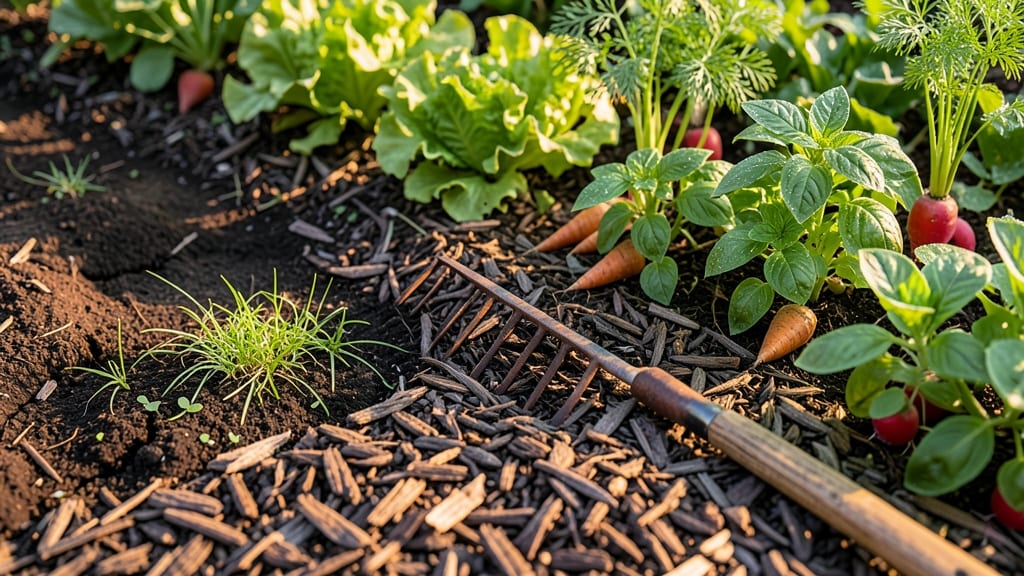
Mulch does help prevent weeds by blocking sunlight, which stops weed seeds from germinating while also improving soil moisture retention and reducing competition for nutrients in garden beds. Organic options break down over time, adding nutrients back to the soil naturally.
Mulch creates a physical barrier that starves weeds of the sunlight they need to sprout, making it one of the most effective natural weed control methods. 🌱 The right thickness—typically 2-4 inches—creates this effect while also regulating soil temperature and reducing evaporation.
I’ve seen gardens where mulch reduced weeds by up to 80% compared to unmulched beds, especially when combined with proper watering practices.
Organic mulches like wood chips or straw not only suppress weeds but also improve soil health as they decompose, adding beneficial microbes and organic matter. For best results, apply mulch right after planting and refresh it annually—this keeps the weed-blocking effect strong while maintaining soil fertility.
Inorganic options like gravel work too, but they don’t offer the same soil-enriching benefits.
💡 In This Article
- How Mulch Blocks Weeds and Enhances Soil Health
- Best Mulch Types and Application Tips for Weed Control
How mulch blocks weeds and enhances soil health
Mulch works primarily by creating a physical barrier that blocks sunlight—weeds need at least 4-6 hours of direct light daily to germinate and grow. When you apply a 3-inch layer of mulch, it shades the soil surface, preventing weed seeds from receiving the light they need to photosynthesize and sprout.
This is especially effective for annual weeds like crabgrass, which rely on sunlight to trigger germination. The thicker the mulch layer (up to 4 inches), the stronger the weed suppression effect, though too much can suffocate plant roots.
The science behind this involves photomorphogenesis—the plant process where light exposure triggers seed germination. Weed seeds in mulched soil remain dormant because they don’t detect sufficient light. Studies show mulch can reduce weed growth by 70-90% compared to bare soil, depending on the mulch type and application consistency.
Organic mulches like wood chips also release allelopathic compounds as they decompose, which further inhibit weed growth by disrupting their metabolic processes. 🌱
Beyond weed suppression, mulch regulates soil temperature by acting as insulation. During summer, it keeps soil 10-15°F cooler than exposed soil, while in winter it prevents drastic temperature drops that can harm plant roots.
This temperature stability is crucial for maintaining consistent moisture levels—mulch reduces evaporation by up to 30%, meaning you’ll water 30-50% less frequently. The moisture retention effect is particularly noticeable in sandy soils, where water drains quickly without mulch.
Organic mulches like straw or shredded leaves break down over time, adding carbon-rich organic matter that feeds beneficial soil microbes. This decomposition process improves soil structure by increasing porosity, which enhances root penetration and water infiltration.
For example, a 2-inch layer of wood chips can add 2-3 pounds of organic matter per 100 square feet annually. In contrast, inorganic mulches like gravel don’t decompose but still block weeds effectively while requiring less maintenance.
One key mechanism often overlooked is how mulch disrupts weed seed germination cycles. Many weed seeds require specific light conditions to break dormancy—mulch eliminates this trigger. For instance, chickweed seeds need light exposure for 1-2 hours to germinate, while mulch keeps them in darkness indefinitely.
This long-term suppression is why mulched garden beds often show fewer weeds year after year, even if some seeds do eventually sprout through gaps. 💫
For best results, combine mulch with proper watering—deep, infrequent watering encourages deeper root growth in your plants while keeping weed seeds buried and dormant. The ideal mulch thickness varies by plant type: 2 inches for flowers, 3 inches for vegetables, and 4 inches** for perennials.
This layered approach maximizes weed control while supporting plant health through improved soil conditions.