
Pests and Diseases
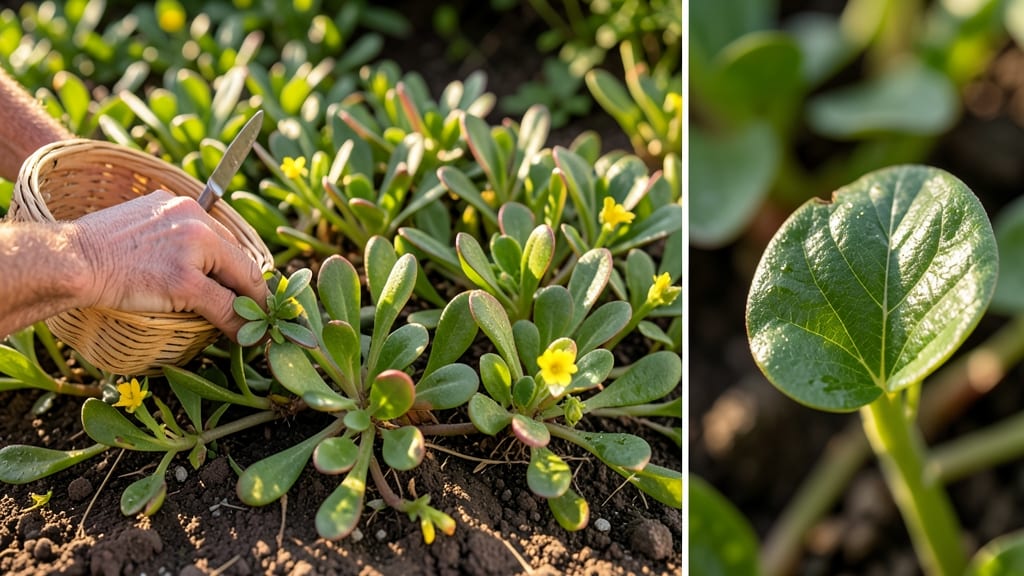
Purslane grows faster than you can pull it—and that’s a good thing. 🌱 This succulent, edible weed packs more omega-3s than spinach and thrives where other plants fail.
I’ve been harvesting it from my yard for years, and once you try it, you’ll never look at "weeds" the same way again.
It loves heat, poor soil, and neglect—perfect for lazy gardeners. Purslane spreads quickly in full sun, tolerates drought, and even survives light frosts. The key is identifying it: look for those thick, fleshy stems and bright yellow flowers. (Yes, it’s the one you’ve been yanking up by mistake.)
Harvest leaves anytime for salads or cook the whole plant like spinach. The flavor is mild, tangy, and slightly citrusy—great in soups, stir-fries, or even blended into smoothies. My kids beg for it now, and I’ve cut back on store-bought greens entirely.
Watch out for overgrowth—it can smother other plants if left unchecked. But that’s just nature’s way of telling you to eat more greens. Start harvesting today, and your yard (and diet) will thank you.
📚 In This Guide
- What you need
- Instructions
- Tips and common mistakes
- Wrapping up and next steps
What you need
- ○ Gloves (optional but recommended): A pair of nitrile or cotton gloves to protect your hands from dirt, bugs, or potential skin irritation.
- ● Scissors or pruning shears: A small pair of sharp, clean scissors (or pruners) to harvest purslane without damaging the plant.
- ● A reusable bag or basket: A breathable mesh produce bag or woven basket to keep your harvest fresh and well-ventilated.
- ○ Field guide or app (optional): A plant identification app (like iNaturalist or PictureThis) or a local foraging guidebook to confirm purslane vs. lookalikes.
- ● Colander or strainer: For rinsing purslane thoroughly under cool water to remove dirt.
- ● Cutting board: A large, stable board (preferably wood or plastic) to chop herbs and veggies.
- ● Chef’s knife or kitchen shears: A sharp 8-inch chef’s knife or kitchen shears for chopping.
- ● Mixing bowls (2-3): Stainless steel or glass bowls for rinsing, draining, and prepping ingredients.
- ○ Cooking oil (optional): A neutral oil like olive or avocado oil for sautéing (if using heat).
- ● Positive ID confirmation: Never eat a plant unless you’re 100% sure it’s purslane—mistaking it for toxic lookalikes (like common orach) can be dangerous.
- ● Harvest from clean areas: Avoid roadsides, sprayed lawns, or contaminated soil to prevent ingesting pesticides or pollutants.
- ○ Patch test (optional): If you’re new to foraging, do a small skin patch test with a bit of raw purslane to check for allergies.
How to harvest and enjoy purslane straight from your yard
Here's how I identify, harvest, and prepare this nutrient-rich weed that grows wild in most yards.
🌿 Step 1: Identify Purslane with Confidence
Purslane has thick, succulent stems and rounded leaves that grow flat against the ground. The leaves are slightly fleshy and range from bright green to reddish-purple. Look for its distinctive prostrate growth habit—it sprawls close to the soil, forming a dense mat. Avoid any plants with white powdery spots (that's a sign of powdery mildew, not edible).
Real talk: I always double-check by snapping off a stem and tasting a tiny piece—if it's crisp and slightly tangy, it's purslane. This weed has no toxic look-alikes in common lawns, so you can harvest with confidence once you recognize its shape. The best time to forage is in the morning after dew has dried, when the leaves are crispest.
🌱 Step 2: Harvest Sustainably for Continuous Growth
Use clean scissors or sharp pruners to cut stems just above the soil line. Never pull plants from the root—this encourages regrowth and ensures you'll have more harvests. I aim to take no more than one-third of any plant at a time to maintain its vigor. Harvest young leaves and tender stems first, as they're most flavorful and tender.
You'll notice purslane grows fastest in full sun with well-draining soil. If you're harvesting from your own yard, water the area lightly 24 hours before picking to plump up the stems. The plants will stay productive all season if you give them consistent moisture and avoid over-harvesting individual plants. For a 4-serving harvest, you'll need about 2 cups of packed leaves and stems.
☀️ Step 3: Clean and Prepare for Cooking
Rinse purslane thoroughly under cool water to remove dirt and any stubborn debris. Shake off excess water and pat dry with a clean towel or paper towels. The leaves should look vibrant and slightly glossy after drying. I like to trim off any thick, woody stems at this stage—they're still edible but less tender.
For best flavor, use purslane immediately or store it in a sealed container in the refrigerator for up to 3 days. If storing longer, wrap the leaves in a damp paper towel and place them in a plastic bag. The plant's high moisture content means it wilts quickly if left uncovered. Here's the thing—purslane's omega-3 content makes it perish faster than other greens, so freshness matters most.
🍽️ Step 4: Cook or Eat Raw for Maximum Nutrition
Purslane's mild, slightly lemony flavor works raw in salads or cooked as a side dish. For salads, chop leaves and stems finely and toss with other greens, olive oil, and lemon juice. The stems add a satisfying crunch. When cooked, purslane wilt down dramatically—1 cup raw yields about ¼ cup cooked, so adjust your recipe accordingly.
To cook, sauté in olive oil over medium heat for 2-3 minutes until just wilted. Add garlic or a pinch of salt for extra flavor. Don't overcook—it should remain bright green and tender. I often mix it with other greens like spinach or arugula to balance flavors. The key is quick cooking to preserve its vibrant color and nutrients. For a 4-serving portion, use about 2 cups of fresh purslane in your dish.
⏰ Step 5: Encourage More Growth in Your Yard
After harvesting, water the remaining plants lightly to help them recover. Purslane thrives in poor soil and full sun, making it perfect for neglected corners of your yard. If you want more, simply leave some stems intact—they'll root where they touch the ground. In warm climates, purslane grows year-round, while in cooler areas, it may go dormant in winter but return in spring.
Here's my pro tip: If you're not harvesting, keep purslane in check by mowing or trimming it back regularly. The more you encourage its growth, the more you'll have to enjoy. Just remember, purslane spreads aggressively—if you don't want it everywhere, remove it completely after harvest. The good news? It's always there when you need a quick, nutritious green.
Tips & tricks for perfect purslane harvests
These simple tricks will help you get the most from your wild purslane harvest without wasting a single leaf.
Visual Identification: In Step 1, when identifying purslane, look for the telltale "succulent" quality—pinch a stem between your fingers. If it feels thick and juicy (like a cucumber), it's purslane. The leaves should also be slightly glossy, not dull or wilted. This visual check prevents harvesting look-alikes that might be bitter or inedible.
Harvesting Technique: For Step 2, I've found that using sharp kitchen shears instead of fingers gives you cleaner cuts and prevents crushing the stems. Always cut just above the soil line—this small detail makes a huge difference in how quickly the plant regrows. I also avoid harvesting plants that are flowering, as they become tougher and less flavorful.
Storage Wisdom: After cleaning in Step 3, store purslane in a single layer on a paper towel-lined plate in the fridge. The towel absorbs excess moisture that would otherwise make the leaves slimy. This method keeps purslane crisp for the full 3 days, unlike just throwing it in a container where it wilts faster.
Cooking Time: In Step 4, those 2-3 minutes of cooking are crucial—they're the difference between vibrant, nutritious greens and sad, mushy messes. I set a timer and watch closely—the moment the leaves just begin to curl at the edges is perfect. Overcooking destroys the omega-3s and makes the stems rubbery. For best results, work in small batches so you can tend to each one individually.
Pro Tips for Edible Weeds Purslane
- These simple tricks will help you get the most from your wild purslane harvest without wasting a single leaf.
- Visual Identification: In Step 1, when identifying purslane, look for the telltale "succulent" quality—pinch a stem between your fingers.
- Harvesting Technique: For Step 2, I've found that using sharp kitchen shears instead of fingers gives you cleaner cuts and prevents crushing the stems.
Frequently asked questions
Is purslane safe to eat raw or should I cook it?
Purslane is totally safe to eat raw—it’s a popular ingredient in salads, tacos, and sandwiches! Its slightly tangy, lemony flavor pairs well with citrus, garlic, or avocado. However, cooking it (sautéing, stir-frying, or blending into pesto) can mellow its taste and boost texture. Pro tip: Rinse thoroughly to remove dirt before eating.
When is the best time to harvest purslane for peak nutrition?
Harvest young, tender purslane leaves in the morning after dew has dried but before the heat of the day. Avoid harvesting after rain (leaves can be muddy) or when plants bolt (flowers appear)—this makes them bitter. Best season: Spring to early summer for the most vibrant, nutrient-rich greens!
Can I substitute purslane for spinach in recipes?
Purslane has a similar texture to spinach but with a juicier, slightly thicker bite. Use it 1:1 in recipes like quiches, omelets, or pasta dishes. Bonus: Its omega-3 content (thanks to its mucilage) makes it a heart-healthy swap. Try it in smoothies too—it blends like a dream!
How do I tell if my purslane is contaminated or unsafe to eat?
Skip purslane if you spot yellowing leaves, holes from pests, or slimy spots—these can signal disease or pest damage. Avoid plants growing near heavily sprayed lawns, roadsides, or contaminated soil. When in doubt, harvest from organic, pesticide-free areas (like your backyard or a trusted wild patch).
What’s the shelf life of harvested purslane?
Fresh purslane stays crisp in the fridge for 3–5 days if stored in a sealed container with a paper towel to absorb moisture. For longer storage, blanch and freeze it (like spinach) or pickle it in vinegar for a tangy, shelf-stable snack. Freezing tip: Spread leaves on a tray first to prevent clumping!
Wrapping up and next steps
Discovering edible weeds like purslane turns your yard into a free, nutrient-rich pantry—packed with omega-3s, vitamins, and antioxidants! 🌱 With just a little know-how, you can harvest this resilient green year-round, reducing waste and boosting your health. Start small: identify, harvest, and experiment in your kitchen today.
Ready to dive in? Grab a pair of gloves, head outside, and let your curiosity (and taste buds!) guide you. Try a simple purslane salad or blend it into your smoothies—your future self (and wallet) will thank you!