
How To
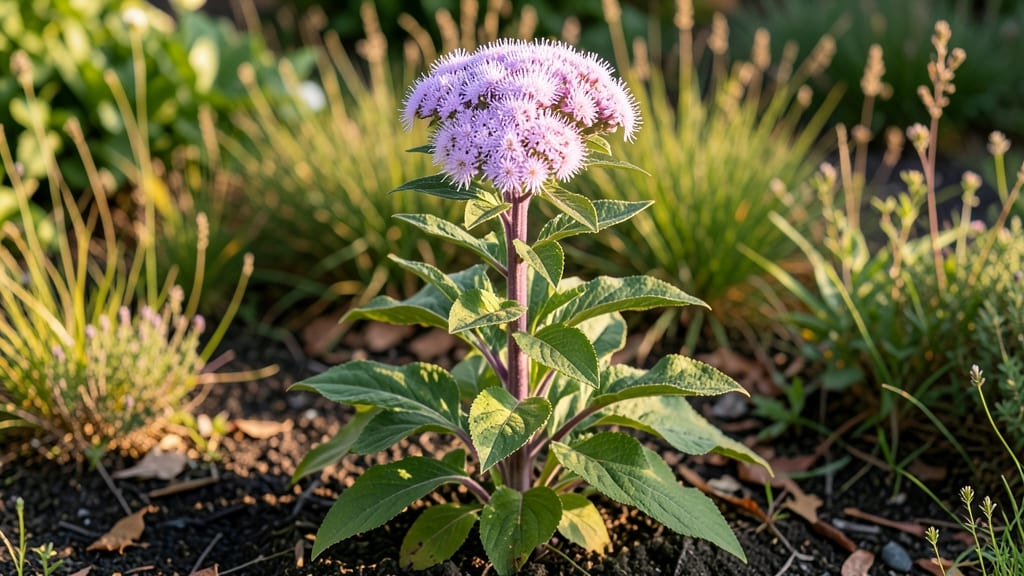
Growing the eupatorium gateway Joe Pye weed from seed unlocks a 6-foot-tall pollinator magnet that thrives in full sun and moist soil—exactly where it belongs in native meadows. 🌿 I’ve watched this plant transform from a tiny seedling into a towering summer bloom, drawing bees and butterflies like no other.
The key isn’t just patience; it’s recreating its natural habitat right in your garden.
Start with seeds in late spring after the last frost, pressing them just below the soil surface in well-draining, slightly acidic soil. Joe Pye Weed loves moisture but hates soggy roots—think wetlands, not swamps.
A sunny spot with afternoon shade in hot climates gives you the best results. Within 60-90 days, you’ll see those signature pink-purple blooms that hum with life.
The real magic happens in July and August, when the flowers attract monarchs, swallowtails, and even hummingbirds. Just be prepared for its size—this plant doesn’t play small. It’s a long-lived perennial, so once established, it’ll reward you for years with minimal care.
The only real challenge? Keeping it contained if you’re not growing it in a wildflower meadow.
For those worried about pests, rest easy—Joe Pye Weed is disease-resistant and rarely troubled by insects. If you notice yellowing leaves, it’s usually overwatering, not a pest.
And if you’re growing it for cut flowers, the stems last a week in a vase, filling your home with that same sweet, summery scent.
📚 In This Guide
- What you need
- Instructions
- Tips and common mistakes
- Wrapping up and next steps
What you need
- ● Joe Pye Weed seeds: Start with high-quality, organic seeds (1–2 packets, ~50–100 seeds per packet). Look for Eupatorium purpureum or E. fistulosum varieties.
- ● Growing containers: Seed trays or small pots (3–4" deep) with drainage holes, or a seed-starting mat. Quantity: 1 tray or 6–8 small pots.
- ● Potting mix: Seed-starting mix (sterile, lightweight, and well-draining). Quantity: 1–2 bags (1–2 cubic feet).
- ● Grow lights or sunny windowsill: A full-spectrum LED grow light (12–16 hours/day) or a south-facing window with bright, indirect light.
- ● Spray bottle: For gentle watering (avoid over-saturating seeds).
- ● Plastic wrap or humidity dome: To retain moisture while seeds germinate.
- ● Fertilizer: Balanced, water-soluble fertilizer (5-10-5 or 10-10-10 ratio). Dilute to half-strength for seedlings.
- ● Transplanting tools: Small hand trowel or spoon
- ○ Garden gloves (optional but recommended)
- ● Outdoor garden space: A sunny, moist location with partial shade (4+ hours of sun daily). Soil should be well-draining and rich in organic matter.
- ● Mulch: Straw or shredded leaves to retain soil moisture and suppress weeds.
- ● Compost or worm castings: For extra nutrients when transplanting.
- ● Staking or support: Tall varieties may need bamboo stakes or cages (4–6 ft tall) as they grow.
- ● Pruning shears: For shaping mature plants or deadheading spent blooms.
- ● Rain gauge or moisture meter: To monitor soil hydration (especially in dry climates).
How to grow Eupatorium 'gateway' Joe Pye weed from seed
This hardy perennial delivers 6-foot pink plumes—here's how to coax those dramatic blooms from seed.
🌱 Step 1: Stratify Seeds for Reliable Germination
Joe Pye weed seeds need a cold stratification period to break dormancy. Place seeds in a sealed container with slightly damp peat moss or coconut coir, then refrigerate for 60-90 days. Check monthly—they should feel moist but not soggy.
After stratification, sow seeds ¼ inch deep in a well-draining seed-starting mix. I use a shallow tray because these seeds dislike being buried too deep. Cover lightly with additional mix and mist gently until the surface stays evenly damp.
☀️ Step 2: Provide Warmth and Light for Sprouting
Keep the seed tray in a warm spot (65-75°F) with bright, indirect light. A seedling heat mat speeds germination, which typically occurs in 2-4 weeks. You'll notice tiny green sprouts first—wait until first true leaves appear before moving them.
Once seedlings emerge, remove the heat mat and place them under grow lights for 14-16 hours daily. Avoid direct sunlight at this stage—it can scorch delicate seedlings. If leaves yellow, your light is too intense or the soil is too wet.
🪴 Step 3: Transplant to Individual Pots
When seedlings reach 3-4 inches tall with 4-6 true leaves, transplant them into 4-inch pots filled with a mix of 50% potting soil and 50% perlite. Handle gently—they have delicate roots. Water thoroughly after transplanting to settle the soil around the roots.
Place pots in a shaded area for 3-5 days to reduce transplant shock. Gradually introduce them to more sunlight over the next week. You'll see new growth within 7-10 days if conditions are right.
✂️ Step 4: Harden Off and Plant Outdoors
Two weeks before your last frost date, begin hardening off seedlings by placing them outside in a sheltered spot for 1-2 hours daily. Increase exposure gradually over 10-14 days, ending with full sun. This prepares them for the garden's conditions.
Plant outdoors in full sun to partial shade, spacing them 2-3 feet apart to allow for their mature size. Water deeply after planting to encourage root growth. Mulch around the base with 2-3 inches of organic mulch to retain moisture and suppress weeds.
🌿 Step 5: Maintain for Towering Blooms
Joe Pye weed thrives in moist, well-drained soil with regular watering during the first growing season. Once established, they're drought-tolerant but produce more blooms with consistent moisture. Fertilize lightly in spring with a balanced fertilizer to encourage strong growth.
Deadhead spent blooms in late summer to encourage a second flush of flowers. In fall, cut back stems to 6 inches tall to promote bushier growth next season. These plants reward patience—by year three, you'll have stunning 6-foot pink plumes that attract pollinators all summer long.
Tips & tricks for growing towering Joe Pye weed
Here's what nobody tells you about coaxing those dramatic 6-foot plumes from tiny seeds.
Stratification Success: The 60-90 day cold treatment is non-negotiable for Joe Pye weed seeds. I've tried skipping it, and germination rates plummet to nearly zero. Use a clear container so you can check moisture levels without disturbing them. If condensation forms on the lid, it's too damp—open slightly to let excess moisture escape. The key is maintaining that consistent moisture without creating an anaerobic environment.
Lighting Strategy: Those 14-16 hours of grow light are critical for preventing leggy seedlings. I recommend using full-spectrum LED grow lights positioned about 6 inches above the seedlings. The light should be bright enough that you can barely read newsprint underneath—this mimics natural sunlight intensity. If you notice seedlings stretching toward the light, they need more intensity or you're giving them too few hours of light.
Transplant Timing: The 3-5 days of shade after transplanting is where most beginners make mistakes. I've seen seedlings wilt dramatically when moved directly to full sun too soon. Use a simple shade cloth or place them under a tree with dappled sunlight. This gradual transition prevents transplant shock while still allowing them to acclimate to outdoor conditions. Watch for new growth within 7-10 days—this is your sign they're recovering well.
Outdoor Preparation: Two weeks before your last frost date is the perfect time to begin hardening off. I start with just 1-2 hours in a sheltered spot like a porch or under a patio cover. Gradually increase exposure by 30 minutes each day until they're getting full sun. This slow adaptation prevents sunburn and helps them develop stronger cell walls. The goal is to have them fully hardened off by the time you're ready to plant them outdoors.
Pro Tips for Eupatorium Gateway Joe Pye Weed
- Here's what nobody tells you about coaxing those dramatic 6-foot plumes from tiny seeds.
- Stratification Success: The 60-90 day cold treatment is non-negotiable for Joe Pye weed seeds. I've tried skipping it...
- Lighting Strategy: Those 14-16 hours of grow light are critical for preventing leggy seedlings. I recommend using ful...
Frequently asked questions
Got questions about growing Eupatorium (aka Joe Pye weed)? You’re not alone! Here are answers to the most common queries to help you cultivate these stunning perennials with confidence.
When is the best time to plant Joe Pye weed seeds?
For direct sowing, plant seeds in early spring or late summer—just as the soil warms (60–70°F). If starting indoors, sow 8–10 weeks before the last frost. Transplants thrive when moved to the garden after the soil is workable (spring or fall). Pro tip: Soak seeds overnight to speed germination!
How long does it take for Joe Pye weed to grow from seed?
Expect germination in 10–30 days under ideal conditions (moisture, warmth). Seedlings grow slowly at first but shoot up 3–5 feet in their first season. Full maturity (with those iconic blooms!) takes 1–2 years. Patience pays off—these plants reward long-term gardeners!
Can I grow Joe Pye weed in containers or small spaces?
While they’re not ideal for pots (they need 3–5 feet of space), you can try large containers (20+ gallons) with well-draining soil. Choose compact varieties like ‘Little Joe’ or ‘Gateway’ (a dwarf cultivar). Warning: Roots spread aggressively—place containers on saucers to contain them!
Are there any pests or diseases I should watch for?
Joe Pye weed is generally pest-resistant, but keep an eye out for Japanese beetles (they love the flowers!) and powdery mildew in humid climates. Prevent issues by:
- Pruning for airflow
- Avoiding overhead watering
- Removing spent blooms
Why isn’t my Joe Pye weed blooming?
No flowers? Check these common culprits:
Issue
Fix
Too young (1st year)
Wait until year 2—some varieties bloom later.
Not enough sunlight (needs 6+ hours/day)
Relocate to a sunnier spot or prune nearby shade-makers.
Over-fertilizing (especially nitrogen)
Use a balanced 10-10-10 fertilizer sparingly in spring.
Wrapping up and next steps
Growing Joe Pye Weed in your garden isn’t just about adding beauty—it’s about embracing resilience and nature’s rewards! 🌿 Whether you’re drawn to its towering blooms, pollinator-friendly appeal, or medicinal potential, this hardy perennial proves that patience and care yield stunning results.
Now that you’re armed with the how-to, why not plant a few seeds this season and watch your garden transform?
Ready to dive deeper? Experiment with companion plants or explore creative uses for its flowers—your green space (and local wildlife) will thank you! 🐝