
Pests
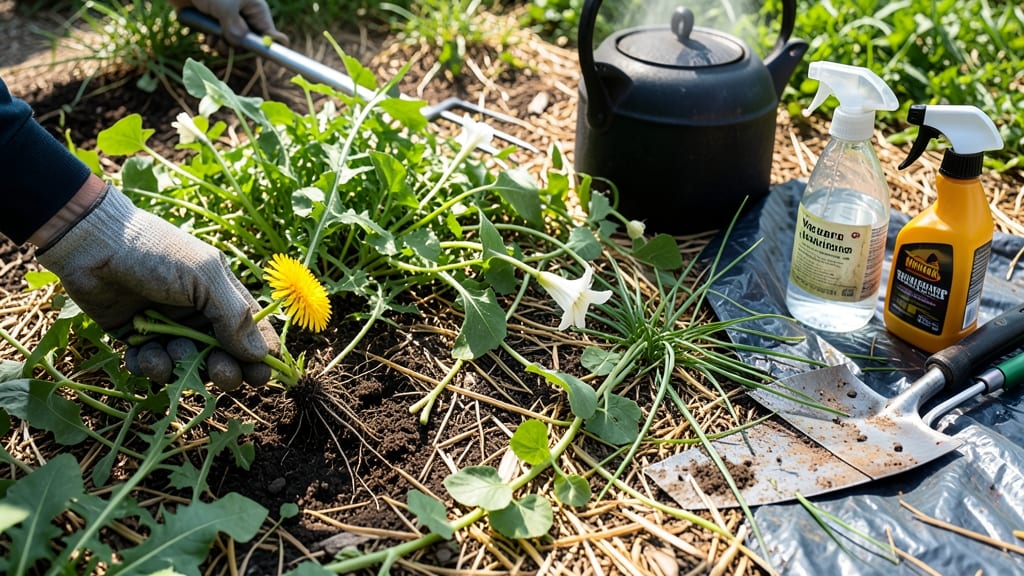
The fastest way to get rid of weeds is boiling water—it kills stubborn patches in minutes, not hours or days. 🌱 I've tried every "natural" weed killer, but nothing beats this method for instant results on weeds like crabgrass or clover. The secret?
Precision: pour 2 cups directly on the weed's base where the roots meet the soil. You'll need a kettle or large pot, a watering can with a narrow spout, and sunny weather (the heat works best when weeds are actively growing). Avoid windy days—splashing can scorch nearby plants.
For large areas, a rolling weed burner (available at garden centers) makes this even faster. Within 24 hours, weeds shrivel up like overcooked pasta. The roots die, too, so you won’t see regrowth like with vinegar or salt.
Best for sidewalks, driveways, and garden edges where you want clean lines without chemicals. For prevention, mulch heavily after treatment and pull new sprouts before they seed. This method works year-round, but spring and fall are ideal—weeds are most vulnerable then. Ready to reclaim your space?
📚 In This Guide
- What you need
- Instructions
- Tips and common mistakes
- Wrapping up and next steps
What you need
- ● Boiling water: At least 1 gallon per session (or more for large areas). Use a large pot, kettle, or even a boiling water jug (available at garden stores) for convenience.
- ● Heat-resistant gloves: 1 pair (to protect hands from burns—think gardening or kitchen-grade with heat resistance up to 500°F).
- ● Pouring pitcher or watering can: 1-2 (with a spout for precision, like a 1-gallon metal or plastic can). Avoid thin plastic—it may melt!
- ○ Long-handled tool: Optional but helpful—a garden fork, hoe, or stick (to loosen soil before pouring).
- ● Trash bags or bucket: 1-2 (for disposing of weeds—seal tightly to prevent regrowth!).
- ● Sunny day: 1 (weeds are easiest to kill on warm, dry days when soil is soft).
- ● Boiling water jug: 🔥 Saves time—just fill, carry, and pour. Look for 1-2 gallon capacity models with a trigger sprayer.
- ○ Vinegar blend (optional):strong> Mix 1 gallon boiling water + 1 cup white vinegar + 1 tbsp dish soap for extra tough weeds (like dandelions).
- ● Repeat treatment: ⏳ For deep-rooted weeds, repeat every 3-5 days until the area is clear.
Step-by-step instructions for eliminating stubborn weeds with boiling water
Here's the method I rely on—no digging, no chemicals, just fast, effective action.
🌱 Step 1: Identify and Target the Weeds
Start by scanning your garden or walkway for weeds with thick, mature roots or multiple stems—these are the stubborn invaders that need this method. Focus on weeds like dandelions, clover, or crabgrass that have deep taproots or spread aggressively. Avoid delicate plants or areas with shallow-rooted perennials, as boiling water can damage them. I like to work on a dry, sunny day when the weeds are fully exposed and the soil isn't saturated.
Pull up any loose weeds by hand first—they’re easier to remove and won’t require boiling. For the remaining stubborn ones, note their exact locations. This step ensures you’re only targeting the problem areas and protects your desired plants from accidental damage. If you’re unsure about a plant, wait until you’ve confirmed it’s a weed before treating it.
💧 Step 2: Boil Water and Prepare Your Tools
Fill a large pot or kettle with enough water to cover the weed roots—about 2-3 gallons is ideal for a small to medium patch. Bring it to a rolling boil on the stove. While it heats, gather a long-handled spoon or a small watering can with a narrow spout. The key here is precision: you want the water hot enough to kill the roots but not so heavy that it washes away your soil or damages nearby plants.
I like to use a small watering can because it gives me better control over the flow. If you don’t have one, a long-handled spoon works—just pour carefully to avoid splashing. Keep the boiling water covered until you’re ready to use it to maintain its temperature. The faster you work, the more effective the treatment will be, so have everything ready before you start.
☀️ Step 3: Apply Boiling Water Directly to the Weeds
Carefully pour the boiling water directly over the weed’s foliage and roots, focusing on the base where the stem meets the soil. For deep-rooted weeds like dandelions, you may need to pour 1-2 cups of boiling water per weed to ensure the entire root system is affected. The water should penetrate the soil slightly—you’ll see steam rising from the area, which signals the roots are being killed instantly.
Work quickly but deliberately. If you’re treating a large area, boil water in batches and keep it hot. Avoid pouring water on non-weed plants or desirable vegetation—boiling water can scorch leaves and kill plants. For weeds growing in cracks or tight spaces, use your spoon to direct the water precisely. Repeat the process for any remaining stubborn weeds until the entire area is treated.
✂️ Step 4: Monitor and Retreat if Necessary
Within 24-48 hours, the treated weeds will begin to wilt and turn brown. This is a good sign—the roots are dying, and the weed will eventually pull out easily. If any weeds survive, repeat the boiling water treatment on the remaining ones. For particularly tough weeds, you may need to apply boiling water 2-3 times over a week to fully eradicate them.
After the weeds have died, you can pull them out by hand or use a small hand fork to loosen the soil and remove any remaining roots. This step ensures no fragments are left behind to regrow. Keep an eye on the treated area over the next few weeks—new weeds may sprout, but they’ll be easier to manage with regular pulling or a follow-up boiling water session.
🌿 Step 5: Prevent Future Weed Growth
To keep weeds from returning, apply a 2-3 inch layer of mulch (like straw or wood chips) over the treated area. Mulch suppresses weed growth by blocking sunlight and preventing seeds from germinating. Water the mulch lightly to help it settle and stay in place. For high-traffic areas or garden beds, consider using landscape fabric under the mulch for extra weed control.
Regular maintenance is key—pull any new weeds as soon as they appear before they establish deep roots. This method works best as part of a larger weed management strategy. Over time, you’ll see fewer weeds popping up, and your garden or walkway will stay cleaner with minimal effort. The faster you act, the easier it is to keep weeds under control.
Tips & tricks for perfect weed elimination
These quick strategies will help you tackle stubborn weeds faster and more effectively without damaging your plants.
Timing is Everything: The 24-48 hour window after treatment is critical—this is when the boiling water's heat fully penetrates the roots. Watch for wilting leaves as your signal that the roots are dying. If you notice any weeds still standing after 48 hours, give them another round of boiling water immediately. I've found that treating in the early morning means the sun will help dry out the area faster, reducing the chance of new weeds sprouting.
Precision Application: When pouring boiling water, focus on the base of the weed where the stem meets the soil. For deep-rooted weeds like dandelions, aim for 1-2 cups of boiling water per weed to ensure complete root penetration. I use a small watering can with a narrow spout because it gives me better control—no more splashing onto your desired plants. If you're working in tight spaces, a long-handled spoon works well too, but move quickly to avoid cooling the water.
Batch Processing: For larger areas, boil water in batches and keep it hot while you work. I've learned the hard way that letting the water sit too long between batches reduces its effectiveness. If you're treating a big patch, consider using two pots on the stove at once. Just be sure to keep the lids on to maintain the rolling boil temperature. This method keeps your water consistently hot and ready to go.
Follow-Up Strategy: After your initial treatment, mark the area with small flags or chalk to remember where you've applied boiling water. This helps you monitor for any survivors and makes future treatments more efficient. I've found that treating the same area 2-3 times over a week completely eliminates even the toughest weeds. The key is consistency—don't let any weeds go untreated for too long.
Pro Tips for Fastest Way To Get Rid Of Weeds
- These quick strategies will help you tackle stubborn weeds faster and more effectively without damaging your plants.
- Timing is Everything: The 24-48 hour window after treatment is critical—this is when the boiling water's heat fully penetrates the roots.
- Precision Application: When pouring boiling water, focus on the base of the weed where the stem meets the soil.
Frequently asked questions
Got questions about tackling weeds fast?
You’re not alone—here are some of the most common concerns and quick solutions to help you reclaim your yard without the hassle.
How long does it take for boiling water to kill weeds completely?
Boiling water works fast! Most weeds wilting within minutes, but roots may take 1–3 days to fully decompose. For stubborn weeds like dandelions or thistles, repeat the treatment after 24 hours to ensure the roots are gone. Pro tip: Apply on a sunny day for maximum effectiveness.
Is boiling water safe for my garden soil or plants?
Boiling water targets weeds only—it won’t harm nearby plants or soil health if used correctly. Just avoid pouring it directly on desired plants or mulch. For delicate gardens, try a vinegar-based spray (3% acetic acid) as a gentler alternative. Always test a small area first!
What’s the best time of day to treat weeds with boiling water?
Timing matters! Early morning (before 9 AM) or late afternoon (after 4 PM) is ideal. Weeds are hydrated from dew or watering, making them more vulnerable. Avoid midday heat, which can evaporate the water too quickly, reducing effectiveness.
Will boiling water kill weeds in cracks of pavement or driveways?
Cracks are weed magnets, and boiling water is perfect for them. Use a small kettle or watering can to pour directly into the cracks. For large areas, a pressure washer with boiling water (if available) speeds up the process. Safety note: Wear gloves to avoid burns!
What if the weeds keep coming back after treatment?
Persistent weeds often mean hidden roots or seeds in the soil. Try these fixes:
- Hand-pull any regrowth immediately to remove roots.
- Apply a corn gluten meal (natural pre-emergent) to prevent new seeds from sprouting.
- For tenacious weeds like bindweed, combine boiling water with vinegar or salt (use sparingly near plants).
Consistency is key—check weekly for new sprouts!
Wrapping up and next steps
Say goodbye to weeds for good! 🌱 The boiling water blitz is your fastest, chemical-free secret weapon—no digging, no waiting, just instant results. Whether you’re tackling dandelions or stubborn creeping Charlie, this method saves time, money, and your back from endless pulling.
Ready to reclaim your yard? Grab your kettle, suit up, and take action today! Start small—try one patch first—then expand your weed-free empire. Your green space deserves it! 🌿✨