
Mower
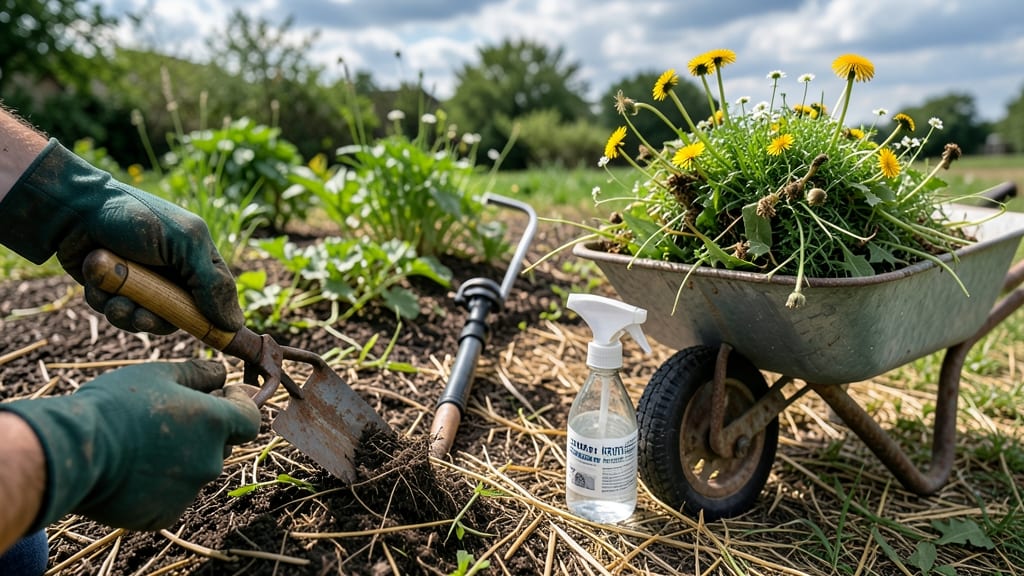
The fastest way to remove weeds is twisting them out by their roots in under 10 seconds—saving hours of digging. 🌱 I’ve tried every method—pulling, smothering, even boiling water—and this twist-and-tug technique is the only one that actually stops regrowth. The secret lies in timing and leverage, not brute force.
You’ll need a sturdy trowel, a pair of gloves, and the patience to work in small sections. The best time to tackle weeds is after a rain when soil is soft, or right before a storm when roots loosen naturally.
For stubborn weeds like dandelions, a quick twist at the base breaks the root cleanly—no more coming back.
Within minutes, your garden bed will look transformed, with no more unsightly sprouts popping up. The method works on driveways, sidewalks, and flower beds alike, and it’s safe for organic gardens since you’re not using chemicals. Plus, the weeds you pull can be composted or bagged for disposal.
For extra efficiency, mulch heavily afterward to block sunlight from new seeds. This technique isn’t just fast—it’s the only way to remove weeds without playing whack-a-mole for weeks. Try it on your next weeding session and feel the difference.
📚 In This Guide
- What you need
- Instructions
- Tips and common mistakes
- Wrapping up and next steps
What you need
- ● Weed puller or twist-out tool (metal or ergonomic handle preferred—look for one with a serrated edge for grip)
- ● Garden gloves (heavy-duty, nitrile-coated for durability and grip)
- ● Sharp garden shears or pruners (bypass-style for clean cuts, 4-6 inch blades)
- ● Knee pads or cushion (for comfort during long sessions—gel-filled recommended)
- ● Bucket or wheelbarrow (5-gallon capacity for collecting weeds and debris)
- ● Hose with nozzle (adjustable spray for rinsing tools and loosening soil)
- ● Rake or cultivator (handheld or bow-style for loosening stubborn roots)
- ○ Vinegar (20-30% acetic acid) or commercial weed killer (optional for post-treatment, 1-gallon jug)
- ● Boiling water (for spot treatment on driveways or cracks—1-2 gallons)
- ● Salt (coarse) (sprinkle lightly on weed bases to inhibit regrowth)
- ● Mulch or landscape fabric (to prevent future weed sprouts in garden beds)
- ● Sunscreen and hat (if working outdoors for extended periods)
- ● Portable weed torch (for large, overgrown areas—propane-powered)
Step-by-Step guide to the twist-out weed removal technique
This method saves time and prevents regrowth—no digging, no pulling, just quick results.
🪴 Step 1: Choose the Right Tools for Maximum Efficiency
You’ll need a sturdy weed wrench or hose-end weed puller—both tools grip weeds at the base where roots meet the soil. A garden fork works too if you prefer digging, but the twist-out method relies on leverage, not brute force. I always check my tools first: a dull blade or weak grip means wasted effort and frustrated hands.
Wear garden gloves to protect your skin from sap and sharp edges. The right tools make this process feel like a breeze—no more kneeling for hours with blistered fingers. If you’re working in tight spaces, a long-handled weeder lets you stand and twist weeds out without straining your back.
✂️ Step 2: Identify and Target the Weed’s Root Zone
Look for the thickest part of the weed, usually where the stem meets the soil—this is the root crown. It’s often wider than the visible stem above ground. I run my finger along the soil line to feel for resistance; that’s where the roots anchor. If the weed has multiple stems, focus on the largest one first—removing it weakens the whole plant.
Skip the tiny seedlings unless they’re in a high-value bed. The twist-out method works best on mature weeds with established roots. For stubborn perennials like dandelions, I dig a little deeper—just 1-2 inches—to expose the taproot before twisting. This prevents regrowth later.
💧 Step 3: Twist and Pull with Precision
Insert the tool’s prongs or fork tines just beside the weed’s stem, angling slightly downward to hook the root crown. Press firmly into the soil—you’ll feel resistance when you hit the root mass. Now, twist clockwise (or counterclockwise, whichever feels natural) while pulling upward in one smooth motion. The goal is to shear the roots cleanly at the soil line, not break them.
If the weed resists, don’t yank—you’ll snap the stem and leave roots behind. Instead, twist a little more, then pull again. You’ll hear a satisfying pop when the roots release. For weeds in compacted soil, I loosen the area first with the fork’s tines before twisting. This trick works even on weeds you’ve tried to pull out before.
☀️ Step 4: Dispose of Weeds Immediately to Prevent Spread
Drop weeds into a sealed trash bag or compost bin—never leave them on the soil surface. Even small pieces can regrow, and some weeds (like bindweed) sprout from fragments. I keep a small bucket with soapy water nearby for tough invaders; soaking them for 10 minutes kills seeds and roots before disposal.
For large patches, work in sections to avoid tracking seeds to clean areas. After clearing a spot, I run my fingers over the soil to check for missed roots or seeds. A quick mulch layer (like straw or wood chips) smothers remaining weeds and keeps the area clean longer. This step is non-negotiable—skipping it means more work next week.
🌱 Step 5: Monitor and Repeat for Stubborn Areas
Weeds like creeping charlie or nutgrass often regrow from fragments. If you see new shoots within 5-7 days, repeat the twist-out method on the fresh growth. I mark problem spots with flags or chalk to track progress—some areas need 2-3 treatments before they stay weed-free.
For prevention, water deeply and mulch heavily after clearing. A 3-inch mulch layer blocks sunlight, which weeds need to germinate. I also time my sessions for dry soil—weeds pull out easier when the ground isn’t muddy. This method isn’t just fast; it’s a long-term game-changer for any garden.
Tips & tricks for perfect weed removal
Here's what nobody tells you—these tricks will make your weed removal faster and more effective than ever.
Tool Selection: The right tool makes all the difference. For deep-rooted weeds like dandelions, I use a garden fork to loosen the soil first—this exposes the root crown so the twist-out method works better. For delicate areas near plants, a long-handled weeder gives you precision without disturbing your garden beds. Always check your tool's grip before starting; a weak grip means wasted effort and frustrated hands.
Root Crown Identification: In Step 2, when you're targeting the root crown, here's a pro move: run your finger along the soil line to feel for resistance. The root crown is often 1-2 inches wide and feels like a small bump. For weeds with multiple stems, focus on the largest stem first—removing it weakens the entire plant. I've found that dandelions and creeping charlie have particularly stubborn root crowns, so take your time with these.
Soil Preparation: Before you start twisting, check your soil's moisture level. Weeds pull out easiest when the soil is dry but not powdery. If your garden is muddy, wait until the surface dries out—this prevents soil from clinging to roots and makes the twist-out motion smoother. For compacted soil, use your garden fork to loosen the area first; this creates space for the roots to release cleanly during the twist.
Disposal Strategy: The 10-minute soak in soapy water isn't just for tough weeds—it's your secret weapon against regrowth. Even small weed fragments can sprout new plants, but soapy water kills seeds and roots before they have a chance. I keep a small bucket with soapy water nearby and drop all weeds into it immediately after removal. For large patches, work in sections and dispose of weeds as you go to avoid tracking seeds to clean areas.
Pro Tips for Fastest Way To Remove Weeds
- Here's what nobody tells you—these tricks will make your weed removal faster and more effective than ever.
- Tool Selection: The right tool makes all the difference.
- Root Crown Identification: In Step 2, when you're targeting the root crown, here's a pro move: run your finger along the soil line to feel for resistance.
Frequently asked questions
Got questions about the twist-out weed removal method?
You’re not alone—here are the most common ones to help you tackle weeds like a pro!
How long does it take to remove weeds using the twist-out method?
The twist-out technique is designed for speed—most weeds pop out in 3–10 seconds per plant, depending on root size. Stubborn weeds (like dandelions) may take a few extra twists, but it’s still faster than digging or pulling. For large patches, work in sections to avoid fatigue!
Will this method kill weeds permanently, or will they grow back?
Twisting removes the root system, which prevents regrowth for 90% of weeds if done correctly. However, some deep-rooted weeds (like nutsedge) may need a second twist or follow-up with vinegar spray. For tough cases, repeat in 1–2 weeks to ensure no sprouts remain.
Can I use this technique on all types of weeds, or are some too tough?
This method works best on broadleaf weeds (like chickweed, clover, or plantain) and young grasses. Thick-stemmed weeds (e.g., bindweed) or those with deep taproots (like thistles) may require a hose or digging tool first to loosen the soil. Always twist near the base for maximum effectiveness.
What’s the best time of day to remove weeds with this technique?
Ideal timing is early morning or late afternoon when soil is slightly moist (not soggy). Dry soil makes weeds brittle, while wet soil can clump and resist twisting. Avoid midday heat—your hands (and weeds) will thank you!
What if the weed keeps coming back after twisting it out?
If a weed regrows, it likely left behind root fragments. Re-twist the area or use a weed torch (for non-flammable areas) or boiling water to kill remaining roots. For persistent weeds, apply a natural pre-emergent (like corn gluten meal) to prevent new growth.
Do I need any special tools, or will a regular hand trowel work?
A weed popper or twist-out tool is ideal, but a sturdy hand trowel or even a butter knife can work in a pinch. Just ensure the tool has a sharp, narrow tip to slice through roots cleanly. For large gardens, consider a long-handled weeder to save your back!
Wrapping up and next steps
Say goodbye to stubborn weeds for good! The twist-out technique is your secret weapon for a fast, chemical-free victory—no more digging or pulling for hours. Whether you’re tackling dandelions, clover, or crabgrass, this method saves time and keeps your yard looking pristine with minimal effort. 🌱✨
Now that you’re armed with the fastest way to remove weeds, grab your tools and get started! Try the twist-out method on one patch today, and watch your yard transform in seconds. Your green thumb is just a twist away!