
Tools
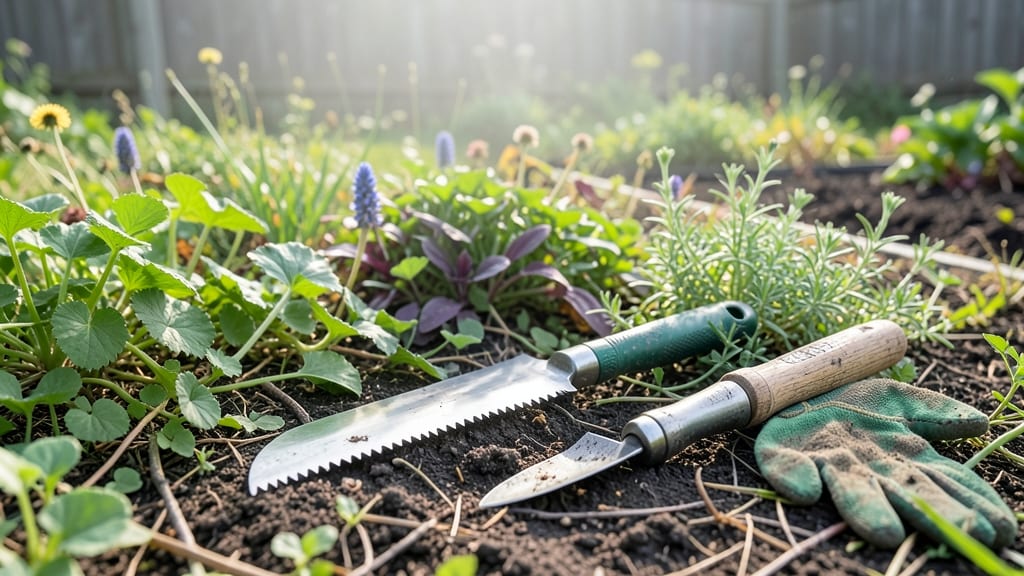
A weed scraper isn’t just another garden tool—it’s your secret weapon against stubborn roots that refuse to budge. 🌱 I’ve spent years pulling weeds by hand, only to watch them grow back within days. This tool changes everything by cutting roots cleanly, so weeds stay gone for good.
The lever-locked design gives you serious leverage without straining your back, making it perfect for flower beds, vegetable patches, or even tight spaces between patio stones. Unlike hand-pulling, you’ll see immediate results—no more wasted effort or regrowth.
For best results, use it on damp soil (roots pull easier), and always angle the blade to cut below the soil line. A few minutes of scraping now saves hours of weeding later. It’s especially great for organic gardens where you can’t use herbicides.
Pair it with a sturdy hand fork for deep roots, and you’ve got a foolproof weed-control duo. Whether you’re tackling a lawn, garden beds, or cracks in the pavement, this tool makes the job faster and way more satisfying.
📚 In This Guide
- What you need
- Instructions
- Tips and common mistakes
- Wrapping up and next steps
What you need
- ● Weed scraper blade – A sturdy, serrated or flat-edged metal blade (12–18 inches long, 2–4 inches wide). Look for high-carbon steel for durability.
- ● Wooden or metal handle – A D-shaped or ergonomic grip (12–18 inches long) for comfort. Hardwood (oak or ash) or aluminum works best.
- ● Lever-lock mechanism – A spring-loaded latch or toggle clamp (e.g., carabiner-style lock or ratchet strap) to secure the blade in place.
- ● Screws or bolts – Stainless steel or galvanized (¼–⅜ inch diameter, 2–4 inches long) to attach the blade to the handle.
- ● Wrench or pliers – For tightening bolts or adjusting the lever lock.
- ● Sandpaper (80–120 grit) – To smooth rough edges on the handle or blade.
- ○ Rust-resistant coating – Optional but recommended: Linseed oil (for wood) or clear spray paint (for metal) to prevent corrosion.
- ● Gloves – Garden or mechanic gloves to protect your hands from sharp edges and blisters.
- ● Knee pad – For comfort during long scraping sessions.
- ● Extension pole – If you’re targeting weeds in hard-to-reach areas (e.g., 3–6 foot telescoping pole).
- ● Weed bag or bucket – To collect debris and roots easily.
How to use a weed scraper for stubborn weeds and roots
Here's the straightforward method I rely on for quick, clean removal—no more digging or pulling by hand.
🪴 Step 1: Prepare the Tool and Area
Start by unlocking the lever on your weed scraper—most models have a simple side release. I always check the blade first: if it's dull, the tool will struggle to cut roots cleanly. A quick wipe with a damp cloth removes dried sap and soil buildup that can dull the edge over time.
Work in a small section at a time, about 1 square foot. Clear loose debris first with a quick rake or your hands. This prevents clogging the scraper and makes the job faster. I like to start at the edges of garden beds where weeds often grow thickest—it's easier to see the roots clearly there.
🌱 Step 2: Position and Angle for Maximum Efficiency
Hold the scraper handle firmly with both hands, gripping near the top for leverage. Angle the blade about 30 degrees into the soil—this prevents it from bouncing off hard roots. For stubborn weeds, I press down slightly as I scrape, using the tool's weight to cut through tougher material.
Move in short, controlled strokes rather than long sweeps. Think of it like shaving: small, deliberate motions prevent the blade from getting stuck. You'll feel resistance when you hit a root—this is normal, but don't force it. Instead, adjust your angle slightly and try again. The scraper should glide through soil like a knife through butter when sharp.
💧 Step 3: Remove Weeds and Clean the Tool
Once you've cut through the roots, lift the scraper straight up to pull the weed out in one piece. Stubborn roots may require a second pass, but you'll notice they come out much easier after the first cut. I always check for any remaining root fragments—these can regrow if left behind.
After each section, take a moment to clean the blade. Use a small brush or your finger to remove trapped soil and plant debris. A quick wipe with a damp cloth keeps the tool ready for the next weed. Store it in a dry place when finished—rust is the enemy of any garden tool.
☀️ Step 4: Maintain Soil Health After Scraping
The scraper leaves soil slightly disturbed, so I always smooth it out with the back of the tool or a small rake. This prevents erosion and keeps the bed neat. For large areas, I work in rows to maintain a tidy appearance while I work.
After clearing weeds, I apply a thin layer of mulch to the freshly cleaned area. This suppresses new weed growth and retains moisture. The scraper works best on dry soil—wet conditions make roots slippery and harder to cut cleanly. If your soil is damp, wait until it dries out slightly before scraping.
✂️ Step 5: Store and Sharpen for Next Use
When you're done, lock the lever securely to protect the blade. Store the scraper in a tool shed or garage where it won't be exposed to moisture. I keep mine in a wall-mounted holder with other hand tools—this prevents damage and makes it easy to grab when needed.
Sharpen the blade every few uses with a file or sharpening stone. A dull blade makes the job harder and can damage your soil. I test the edge by running my finger lightly along it—it should feel smooth, not rough. With proper care, a good weed scraper will last for years of weed-free gardening.
Tips & tricks for perfect weed scraper performance
Here's what I've learned after years of battling stubborn weeds—these tricks make all the difference between a frustrating chore and a satisfying garden victory.
Blade Maintenance is Non-Negotiable: I ruined my first scraper by ignoring blade care. After every use, I run the blade under warm water to remove sap and soil buildup—this prevents rust and keeps the edge sharp. Store it with a light coat of mineral oil on the blade when not in use, especially if you're in a humid climate. A sharp blade cuts through roots like butter, while a dull one makes you work twice as hard.
Pressure Technique for Stubborn Roots: When you hit resistance in Step 2, don't force it—this is where most people give up. Instead, press down slightly with your body weight while maintaining that 30-degree angle. Think of it like using a knife: you're not just pushing, you're guiding. For extra tough roots, I sometimes make two shallow passes before going deep—this creates a clean break without damaging nearby plants.
Work the Edges First: I always start at the perimeter of garden beds where weeds are thickest. The soil is often more compacted there, making it easier to see where to angle the blade. Working from the outside in prevents you from accidentally cutting desirable plants that you might step on or disturb later. This method also gives you a clear visual of your progress as you work toward the center.
Dry Soil is Your Friend: The instructions mention dry soil works best, and I can't emphasize this enough. Wet soil makes roots slippery, causing the blade to bounce off instead of cutting cleanly. If you must work after rain, let the soil dry for at least 24 hours. For persistent weeds in damp conditions, I sometimes scrape first to expose dry soil underneath before making the final cut. A small hand trowel can help lift stubborn roots when the scraper hits its limit.
Pro Tips for Garden Tool Weed Scraper
- Here's what I've learned after years of battling stubborn weeds—these tricks make all the difference between a frustrating chore and a satisfying garden victory.
- Blade Maintenance is Non-Negotiable: I ruined my first scraper by ignoring blade care.
- Pressure Technique for Stubborn Roots: When you hit resistance in Step 2, don't force it—this is where most people give up.
Frequently asked questions
Got questions about using a garden tool weed scraper?
You’re in the right place! Below, we’ve tackled the most common concerns—from timing to troubleshooting—to help you master this powerful tool like a pro.
What’s the best time of year to use a weed scraper?
A weed scraper works year-round, but early spring or late fall are ideal for removing stubborn roots before they spread. In summer, use it after watering when soil is soft. Avoid freezing temperatures—frozen ground can dull blades or damage the tool.
Can a weed scraper replace a shovel or hoe?
Not exactly! A weed scraper excels at surface-level weeds and shallow roots, while a shovel or hoe handles deeper digging. For thick weeds, combine tools: use the scraper first, then a hoe or shovel for stubborn clumps. Think of it as your precision partner in the garden.
How do I clean and store my weed scraper to prevent rust?
Rinse the blade and handle with water after each use, then dry thoroughly with a towel. Apply a light coat of mineral oil to metal parts to prevent rust. Store in a dry place—hanging it or using a tool rack keeps it organized and protected from moisture.
Why is my weed scraper getting stuck in the soil?
Sticking usually means the blade is dull or the soil is too hard. Sharpen the blade regularly (a file or whetstone works) and loosen compacted soil with a fork before scraping. If the tool itself is stuck, check for bent blades or debris lodged in the mechanism—adjust or clear gently to avoid damage.
Are there eco-friendly alternatives to plastic-handled scrapers?
Opt for scrapers with bamboo, recycled aluminum, or stainless steel handles and blades. Brands like Fiskars or Spear & Jackson offer sustainable options. For DIYers, repurpose old tools by replacing plastic parts with wood or metal—just ensure the blade remains sharp and safe.
Wrapping up and next steps
Investing in a garden tool weed scraper with lever-locked power is a game-changer for tackling stubborn roots and weeds with ease. Whether you're a seasoned gardener or just starting out, this tool saves time, reduces back strain, and keeps your garden looking pristine. 🌱
Now that you’re armed with the knowledge to choose the right scraper and use it effectively, it’s time to roll up your sleeves and transform your garden! Start small—clear a patch of weeds, experiment with different techniques, and watch your outdoor space thrive. Happy gardening! 🌿