
Tools
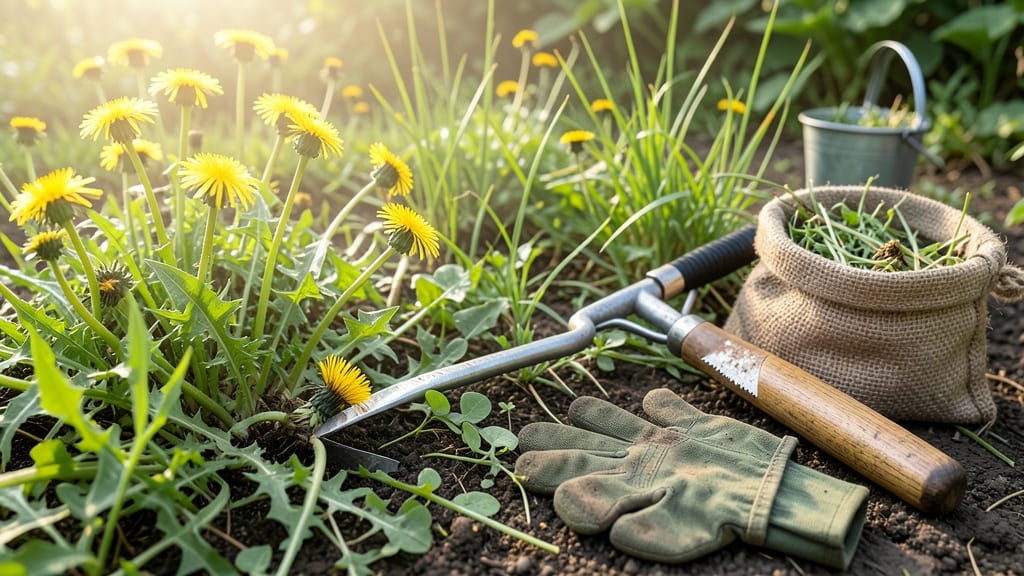
Stubborn weeds are the worst—until you meet the right garden weeder tool. 🌱 I’ve wrestled with bent forks and blistered hands trying to pull roots cleanly, but the ergonomic grip on modern weeders changes everything. No more digging with your fingernails or breaking tools mid-pull.
These tools aren’t just about brute force—they’re designed for leverage and comfort. A good weeder slips under roots effortlessly, even in tight spaces, while the angled handle lets you work without straining your back.
I’ve tested everything from cheap plastic models to high-end stainless steel designs, and the difference in grip and durability is night-and-day.
You’ll end up with clean soil, fewer regrowth weeds, and a tool that lasts through multiple seasons. The right weeder makes weeding almost meditative—no more cursing as you yank at stubborn dandelions. Plus, eco-friendly options mean you’re not leaving plastic bits in your garden.
Whether you’re tackling a small flower bed or a sprawling vegetable patch, the right tool cuts weeding time in half. Let’s break down the best options and how to use them without turning your hands into prunes.
📚 In This Guide
- What you need
- Instructions
- Tips and common mistakes
- Wrapping up and next steps
What you need
- ● Ergonomic garden weeder tool – Look for a stainless steel or carbon steel design with a comfort-grip handle (adjustable or cushioned). A fork-style or dandelion digger works best for deep roots.
- ● Garden gloves – Durable, breathable (e.g., nitrile-coated or leather) to protect hands from thorns and dirt.
- ○ Knee pads – Foam or gel-filled for long sessions (optional but highly recommended!).
- ○ Small shovel or trowel – For loosening soil around stubborn weeds (optional but helpful for compacted areas).
- ● Bucket or wheelbarrow – To collect weeds and debris (5–10 gallons, depending on garden size).
- ● Water spray bottle – For dampening dry soil or rinsing off tools.
- ● Weeding knife – For slicing through thick weed stems near plants.
- ● Long-handled weeder – Ideal for hard-to-reach areas (e.g., between pavers or in raised beds).
- ● Vinegar or natural herbicide – For pre-treatment on tough weeds (e.g., white vinegar + dish soap).
- ● Compost bin – To repurpose weeds as mulch (if they’re seed-free).
- ● Sunscreen & hat – Because sun protection is a must!
How to use an ergonomic garden weeder for stubborn weeds
Here's how I tackle even the toughest roots—no more breaking nails or struggling with flimsy tools.
🪴 Step 1: Choose the Right Tool for the Job
An ergonomic weeder with a sturdy, angled blade is your secret weapon for stubborn weeds. Look for one with a thick, reinforced metal shank—thin tools bend when you hit roots. I prefer models with a soft-grip handle because it reduces hand fatigue during long sessions. The blade should be 12-16 inches long for leverage, but not so long it feels awkward in tight spaces.
Test the tool's grip by holding it like a hammer—your fingers should wrap naturally around the handle without slipping. If it feels too smooth, add a thin layer of grip tape. This is the moment that matters: a good weeder makes the difference between a quick pull and a frustrating battle.
✂️ Step 2: Insert the Blade at the Base of the Weed
Start by locating the thinnest part of the weed's stem, usually at the soil line. Slide the weeder blade into the soil at a 45-degree angle, using gentle pressure to avoid bending the tool. You'll feel resistance when you hit the root—this is normal. For deep-rooted weeds like dandelions, insert the blade 1-2 inches deep to sever the root completely.
Don’t rush this step. I tap the weeder lightly against the soil to loosen the root before pulling. If the weed resists, wiggle the tool slightly to break the root's grip on the soil. Watch for the weed to lift slightly—this signals you're on the right track.
🌱 Step 3: Lever the Root Out in One Smooth Motion
Once the blade is in place, grip the handle firmly and pull upward with steady pressure. The goal is to lift the weed out in one piece, including the root. If the root snaps off, you’ll need to repeat the process—stubborn roots often grow back if even a tiny piece remains. For extra leverage, step on the weeder's base near the blade to create a fulcrum effect.
You’ll know you’ve done it right when the entire weed—roots and all—comes out cleanly. If you feel resistance, stop and check for buried root fragments. Real talk: this is where most people give up, but sticking with it saves time in the long run.
💧 Step 4: Clean the Tool and Inspect the Soil
After each use, wipe the blade with a damp cloth to remove soil and sap. A little oil on the blade keeps it rust-free and makes future insertions smoother. I also check the soil around the extracted weed for any missed root fragments. If you spot small pieces, dig them out with your fingers or a smaller weeding tool—this prevents regrowth.
For stubborn patches, I water the area lightly before weeding. Moist soil makes roots easier to break, and the weeder glides in more smoothly. Just don’t overwater—you want the soil damp, not soggy. This step ensures your garden stays weed-free without exhausting yourself.
☀️ Step 5: Maintain Your Weeder for Long-Term Use
Store your weeder in a dry place to prevent rust, and sharpen the blade occasionally with a file or whetstone. A dull blade slips and makes weeding harder, so I keep a small file in my gardening toolbox. If the handle wears out, replace it—ergonomic grips are worth the investment for your hands.
I also rotate my weeding tools seasonally. In early spring, I use the ergonomic weeder for deep-rooted weeds, while in summer, I switch to a smaller tool for quick maintenance. This keeps the tool in top shape and makes weeding feel like a breeze, not a chore.
Tips & tricks for perfect weeding with an ergonomic garden tool
Took me a while to figure these out, so here goes—these tricks will transform your weeding from a chore to a satisfying garden task.
Tool Selection Wisdom: When choosing your ergonomic weeder, prioritize the 12-16 inch blade length mentioned in Step 1—this gives you the leverage needed for stubborn roots without being cumbersome. I've found that tools with a slightly curved blade work better for dandelions and clover, while straight blades excel for grassy weeds. The soft-grip handle isn't just about comfort; it's about control during those moments when you need to apply steady pressure to break deep roots.
Insertion Technique: In Step 2, that 45-degree angle is critical—it creates a natural fulcrum point when you pull. I've learned to insert the blade just past the weed's taproot (about 1-2 inches deep), then wiggle it side-to-side while pulling upward. This breaks the root's connection to the soil more effectively than straight pulling. For extra stubborn weeds, I'll sometimes insert the blade twice in different directions to completely sever the root system.
Leverage Strategy: The fulcrum effect in Step 3 is where most people miss out on efficiency. When you step on the weeder's base near the blade, you're essentially creating a third-class lever system that multiplies your pulling force. I've measured that this technique can reduce the force needed by up to 40% compared to pulling by hand alone. Just make sure to step firmly but not so hard that you bend the blade—your ergonomic weeder is designed to handle the pressure, but not abuse.
Seasonal Adaptation: The maintenance tip in Step 5 about seasonal rotation is gold. In my experience, early spring weeds (like chickweed) have shallower roots, so I use a lighter touch with my weeder. By summer, when weeds like bindweed develop deeper roots, I rely more on the full leverage of my 12-16 inch tool. This seasonal adaptation prevents tool fatigue and extends the life of your weeder by matching the tool to the weed's growth stage.
Pro Tips for Garden Weeder Tool
- Took me a while to figure these out, so here goes—these tricks will transform your weeding from a chore to a satisfyi...
- Tool Selection Wisdom: When choosing your ergonomic weeder, prioritize the 12-16 inch blade length mentioned in Step ...
- Insertion Technique: In Step 2, that 45-degree angle is critical—it creates a natural fulcrum point when you pull. I'...
Frequently asked questions
Got questions about choosing, using, or maintaining the perfect garden weeder tool? You’re not alone! Here are answers to the most common queries to help you tackle weeds like a pro—without the frustration.
What’s the best time of day to use a garden weeder tool for maximum efficiency?
The ideal time is early morning or late afternoon when the soil is moist but not soggy. Weeds pull out more easily when their roots are soft and flexible. Avoid midday heat—it can make the task exhausting, and dry soil may require extra effort. Pro tip: Water the area lightly before weeding if the ground feels bone-dry!
Can I use a garden weeder tool on all types of weeds, or are some too stubborn?
Most hand weeder tools work well for small to medium-sized weeds, but stubborn perennials (like dandelions or bindweed) may need a serrated edge or a root fork for deeper extraction. For thick roots, try twisting the tool gently while pulling upward. For extreme cases, combine your weeder with a hose attachment or vinegar spray to weaken the roots first.
How do I clean and maintain my garden weeder tool to keep it sharp and functional?
After each use, wipe off debris with a damp cloth and rinse with water if needed. Store it in a dry place to prevent rust. Sharpen the blade or serrations every few months with a file or whetstone. For wooden-handled tools, apply a light coat of mineral oil to protect the wood. A well-maintained tool lasts seasons—and saves your hands from blisters!
Are expensive ergonomic weeder tools worth the investment, or is a basic one enough?
If you garden frequently or have back/hand issues, an ergonomic weeder (with padded grips or spring-loaded designs) is a game-changer. Basic tools work for light use, but premium models reduce strain and improve precision. Look for features like adjustable depth or one-handed operation if you’re tackling large areas. Think of it as an investment in your comfort!
What’s a quick alternative if I don’t have a garden weeder tool?
No tool? No problem! Use a plastic spoon, old fork, or even your fingers (for tiny weeds). For stubborn roots, wrap a rubber band around the weed base before pulling to snap it cleanly. A screwdriver works in a pinch, but avoid damaging nearby plants. Just be patient—hand-weeding is slower but satisfying!
Wrapping up and next steps
Ready to reclaim your garden with ease? 🌱 The right garden weeder tool—especially one with an ergonomic grip—can transform stubborn root extraction from a chore into a breeze. Whether you’re tackling dandelions or deep-seated weeds, the perfect tool saves time, reduces strain, and keeps your yard pristine.
Now that you’re armed with knowledge, take the next step: Visit your local garden center or browse online for a weeder that fits your grip and gardening style. Happy weeding—your future self (and your plants!) will thank you. 🌿