
Planting
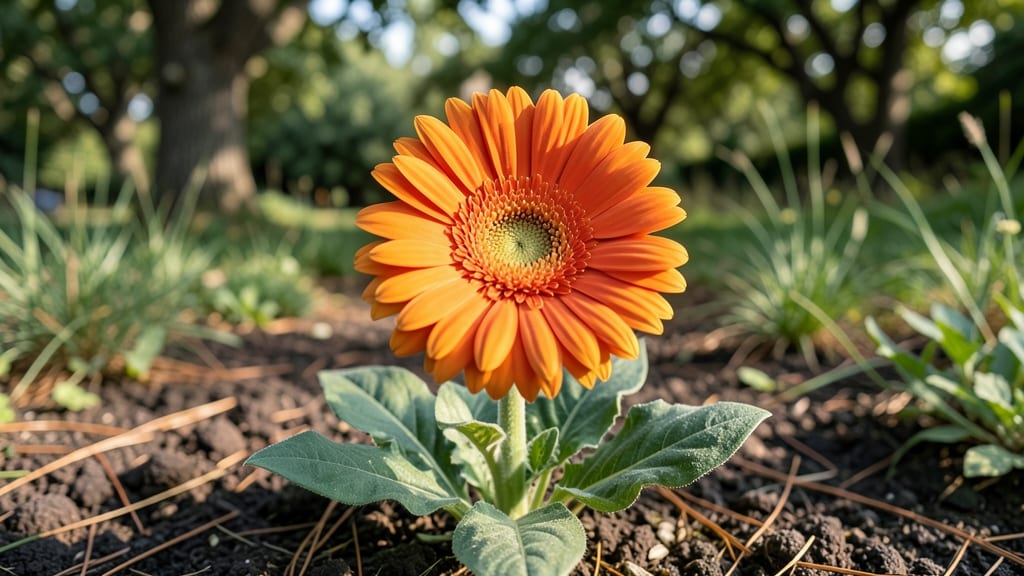
Determining whether gerbera daisy plants are annual or perennial depends on your climate: they thrive as annuals in cooler regions but can be perennials in USDA zones 10-11, where frost-free winters let them regrow from their tuberous roots each season.
Gerbera daisies behave like perennials only in frost-free zones because their tuberous roots store energy for regrowth. 🌱 Outside those zones, cold snaps kill the foliage, exposing their true hardiness limits.
Many gardeners treat them as annuals elsewhere, but with proper overwintering techniques—like digging and storing tubers—you can coax them back year after year, even in marginal zones.
This dual nature makes gerberas unique: they're not true perennials like coneflowers, which survive harsh winters, but their tuber system gives them a fighting chance in milder climates. The key difference lies in their root structure—while they won't tolerate freezing, they'll happily regrow when temperatures stay above 40°F consistently.
💡 In This Article
- Why Gerbera Daisies Die Back in Cold Climates
- Extending Gerbera Daisy Lifespan in Cooler Regions
Why gerbera daisies die back in cold climates
Gerbera daisies exhibit dieback in cold climates because their tuberous root systems—not true woody stems—store energy for regrowth, but only under specific conditions. When temperatures drop below 40°F, the above-ground foliage freezes and turns black, a clear sign of cellular damage.
Unlike true perennials like coneflowers, which have deep, insulated root crowns, gerberas lack this protective layer. Their tubers are more like dormant bulbs, sensitive to prolonged cold exposure.
The critical threshold is 28°F: at this point, the tuber cells begin to rupture, and the plant can't recover. This is why gerberas thrive as annuals in most gardens—they simply don't have the cold-hardiness mechanisms of winter-hardy perennials.
Even in USDA zones 10-11, where they behave as perennials, the tubers must stay above 50°F to avoid dormancy breakdown. 🌡️ The contrast with coneflowers (which survive -20°F) highlights how gerberas are more like tropical bulbs than true perennials.
What makes this dieback particularly noticeable is the suddenness of the process. Gerberas don't gradually decline—they go from vibrant blooms to crispy black stems within days of a hard frost. This rapid response is tied to their high metabolic rate during growth, which makes them vulnerable to temperature swings.
The tuber's energy reserves are designed for short-term storage, not prolonged winter dormancy like true perennials.
Botanically, gerberas belong to the Asteraceae family, sharing traits with other tender perennials like cannas or dahlias. Their tuber structure allows them to regrow quickly in warm climates, but this same feature becomes their Achilles' heel in cold regions.
The lack of protective bark or deep root systems means frost penetrates quickly, disrupting the delicate balance of water and nutrients stored in the tubers.
Consider this comparison: a gerbera tuber in zone 8 might survive a single 30°F night if protected, but repeated cold snaps will kill it. True perennials like hostas, on the other hand, can endure -10°F because their root systems are insulated by soil and organic matter.
This fundamental difference explains why gerberas are often treated as annuals—unless you're willing to invest in overwintering strategies.
The dieback process itself is fascinating to observe. As temperatures drop, you'll see the leaves curl inward (a protective response) before turning brown. The stems remain upright for days, creating a striking "skeleton" effect that many gardeners find beautiful—though it's a clear indicator the plant is beyond saving.
This visual cue is your first warning that the tuber's viability is compromised.