
Flowers
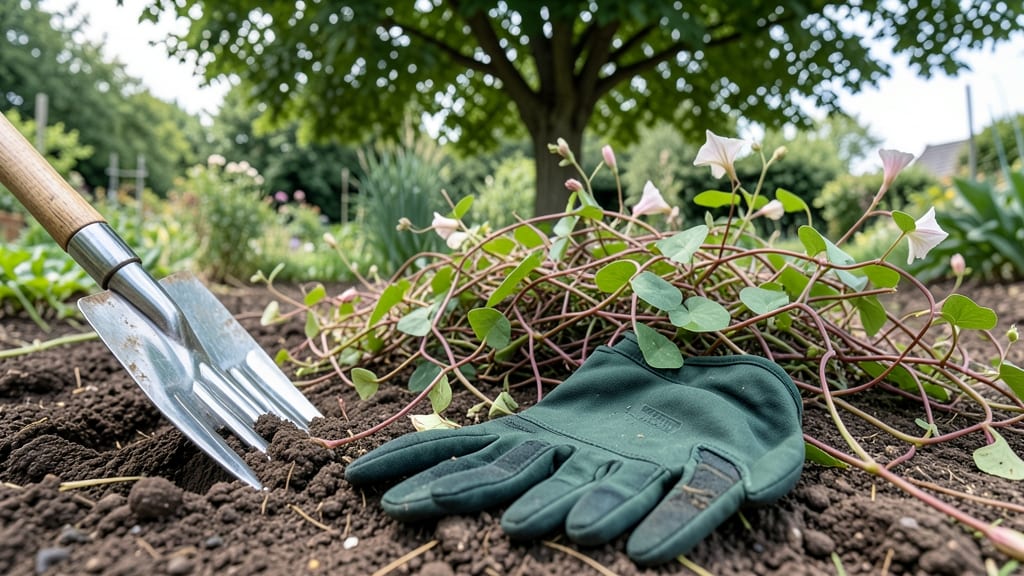
Boiling water infusion kills ground vine weeds like creeping Charlie and bindweed at the roots. 🌱 I’ve battled these stubborn invaders for years—until I discovered this method that finally gave me control without harsh chemicals. The secret lies in precise timing and technique to prevent regrowth.
Most store-bought weed killers only mask the problem, leaving roots to sprout again. This method targets the deep roots where the plant stores energy, so you won’t see those annoying green shoots popping up weeks later. All you need is a kettle, a long-handled tool, and a sunny day.
You’ll see results within 24 hours—the vines turn crispy and brown, and the roots start to break down. The best part? Your garden stays chemical-free, and beneficial plants like clover and strawberries remain unharmed.
Works for any ground vine, whether it’s creeping along your flower beds or choking your lawn. Let’s tackle this once and for all—no more endless pulling or regrowth battles.
📚 In This Guide
- What you need
- Instructions
- Tips and common mistakes
- Wrapping up and next steps
What you need
- ● Boiling water: At least 2–3 gallons (enough to cover the targeted area with a 1–2 inch layer). Use fresh, clean water for best results.
- ● Heavy-duty watering can or garden hose with a shower attachment: Opt for a 1–2 gallon capacity with a spout wide enough to pour steadily (or a hose with adjustable pressure).
- ● Protective gear: Long sleeves and pants (or a gardening apron)
- ● Heavy-duty gloves (waterproof, like rubber or nitrile)
- ● Closed-toe shoes (avoid sandals—hot water splashes happen!)
- ○ Garden fork or trowel: For loosening soil around stubborn roots (optional but helpful for deep infestation areas).
- ● Vinegar (white, 5% acetic acid): Mix 1 cup per gallon of boiling water for an extra boost against tough weeds. Test on a small area first—it can bleach some plants!
- ● Dish soap (mild, unscented):strong> Add 1 tbsp per gallon to help the solution stick to leaves and roots.
- ● Plastic sheeting or cardboard: Lay down to protect nearby plants or mulch from accidental damage.
- ○ Thermometer (optional): Ensure water is at least 180°F (82°C)—boiling is ideal!
Step-by-Step guide to eradicating ground vine weed with boiling water
This method works fast and leaves your yard weed-free without harsh chemicals.
🌱 Step 1: Identify and Clear Surface Growth
First, scan your yard for ground vine weed—it spreads aggressively with thin, wiry stems that cling to soil. Grab a pair of thick gardening gloves and pull up as much of the visible vine as possible. Focus on the main stems where they meet the soil; these are the weak points. You’ll notice the roots run deep, so don’t worry if some pieces break off—the boiling water will handle the rest.
Rake the area lightly to expose any hidden runners lurking just beneath the surface. This step ensures the boiling water can penetrate where the weed is most vulnerable. If the ground is rocky or uneven, use a hand cultivator to loosen the soil slightly—this helps the water seep deeper.
💧 Step 2: Prepare and Apply Boiling Water
Fill a large, heavy-duty kettle or watering can with fresh water and bring it to a full rolling boil. The water must be scalding—think 212°F or hotter—to kill the deep roots. Pour the boiling water directly over the exposed weed stems and soil, aiming for the base where the roots anchor. You’ll see steam rise immediately; this means the heat is working.
For stubborn patches, repeat the process 2-3 times, letting the water soak in between applications. Avoid pouring on desirable plants—ground vine weed is tough, but your lawn or garden isn’t. If you’re treating a large area, work in sections to keep the water hot and effective. The key is consistency: the weed’s deep roots need repeated heat exposure to die completely.
☀️ Step 3: Monitor and Retreat as Needed
Wait 3-5 days after treatment to see results. You’ll notice the remaining stems turn brown and crispy—this means the roots are dying. If any green growth reappears, it’s a sign the roots survived. Simply repeat the boiling water treatment on those spots. Ground vine weed is persistent, but boiling water disrupts its root system over time.
After the initial treatment, keep an eye out for new shoots. These often appear along the weed’s underground runners. Pull them by hand as soon as they sprout—this prevents them from establishing new roots. For best results, treat the area again in 2 weeks to ensure all remnants are gone. Patience is key; this method works, but it takes a little time.
✂️ Step 4: Prevent Regrowth with Maintenance
Once the ground vine weed is eradicated, mulch the treated area with 2-3 inches of organic mulch (like wood chips or straw) to block sunlight and prevent new weeds from taking hold. This also improves soil health over time. Water the mulch lightly to help it settle and stay in place.
Check the area monthly for the first 3 months—ground vine weed can linger in dormant root fragments. If you spot any new growth, treat it immediately with boiling water or pull it by hand before it spreads. Over time, your yard will stay weed-free with minimal effort. This method is chemical-free, eco-friendly, and far more effective than digging or pulling alone.
Tips & tricks for perfect ground vine weed eradication
Here's what nobody tells you about making this method work flawlessly.
The Heat Factor: That boiling water needs to be at least 212°F—don't skimp on the heat. I've seen people use barely warm water and wonder why the weeds keep coming back. The deep roots need that scalding temperature to truly die. If you're using a kettle, let it boil vigorously for at least 3 minutes before pouring to ensure maximum heat transfer. For extra stubborn patches, you might need to reheat the water between applications to maintain that critical temperature.
Timing Secret: In Step 2, when you're pouring that boiling water, work in small sections—about 2 feet by 2 feet at a time. This prevents the water from cooling too quickly as you move across larger areas. I've treated entire garden beds by dividing them into quadrants and focusing on one at a time. The key is to keep that water hot when it hits the roots. Also, don't rush between applications—wait those 30-60 seconds between pours to let the water soak in properly.
Common Mistake Fix: If you notice new shoots popping up after your initial treatment, don't panic. This is actually a good sign—the roots are trying to regrow! Simply pull those new shoots by hand and give them another round of boiling water treatment. I've had to do this 2-3 times in some stubborn areas, but each time the roots weaken more. The secret is persistence—those deep roots need multiple heat exposures to finally give up.
Equipment Upgrade: While a standard kettle works fine, I've found that a heavy-duty watering can with a long spout makes this process so much easier—especially for reaching those tight spots between plants or along fences. The spout gives you better control and precision when targeting the weed roots. If you don't have one, a clean, empty gallon milk jug with the top cut off works in a pinch. Just be careful with the hot water!
Pro Tips for Ground Vine Weed
- Here's what nobody tells you about making this method work flawlessly.
- The Heat Factor: That boiling water needs to be at least 212°F—don't skimp on the heat. I've seen people use barely w...
- Timing Secret: In Step 2, when you're pouring that boiling water, work in small sections—about 2 feet by 2 feet at a ...
Frequently asked questions
Got questions about tackling ground vine weed with boiling water? You’re not alone!
Here are some of the most common concerns—and straightforward answers—to help you reclaim your garden with confidence.
How soon will boiling water kill ground vine weed roots?
Boiling water works fast on above-ground growth, but deep roots may take 2–4 weeks to fully die off. For stubborn patches, repeat the treatment every 5–7 days until the vine stops regrowing. Patience is key! Pro tip: Combine with a vinegar spray for extra root disruption.
Is boiling water safe for my plants or lawn?
Boiling water is selective—it targets weeds like ground vine while sparing most established plants if applied carefully. Avoid pouring near desirable plants, as the heat can damage roots. For lawns, focus on bare soil between grass blades. Test a small area first!
What’s the best time of day to treat ground vine weed?
Early morning (before 9 AM) or late afternoon (after 4 PM) is ideal. Why? The sun hasn’t dried the soil or plants yet, so the boiling water penetrates deeper. Avoid midday—heat stress can evaporate the water before it works its magic.
What if the weed keeps coming back after boiling?
Persistent regrowth usually means roots or rhizomes survived. Dig deeper (6+ inches) to uncover hidden stems, then reapply boiling water or use a copper-based herbicide for stubborn cases. Prevention tip: Mulch treated areas to block sunlight from sprouting seeds.
Are there natural alternatives to boiling water?
Yes! Try:
- Vinegar + dish soap (20% acetic acid) – Kills top growth but may need repeats.
- Saltwater solution (1 cup salt per gallon) – Disrupts root systems (use sparingly near plants).
- Corn gluten meal – Prevents seed germination (best for prevention).
Wrapping up and next steps
Ground vine weed may seem relentless, but with the right approach—like a boiling water infusion—you can reclaim your garden with confidence! 🌱 This method targets deep roots, breaks the weed’s cycle, and keeps your plants thriving. The key is consistency and patience, but the results are worth it.
Ready to take action? Start small: test the boiling water method on a patch of ground vine weed this weekend, and watch your garden transform. Happy gardening—your green space is waiting! 🌿