
Shrubs
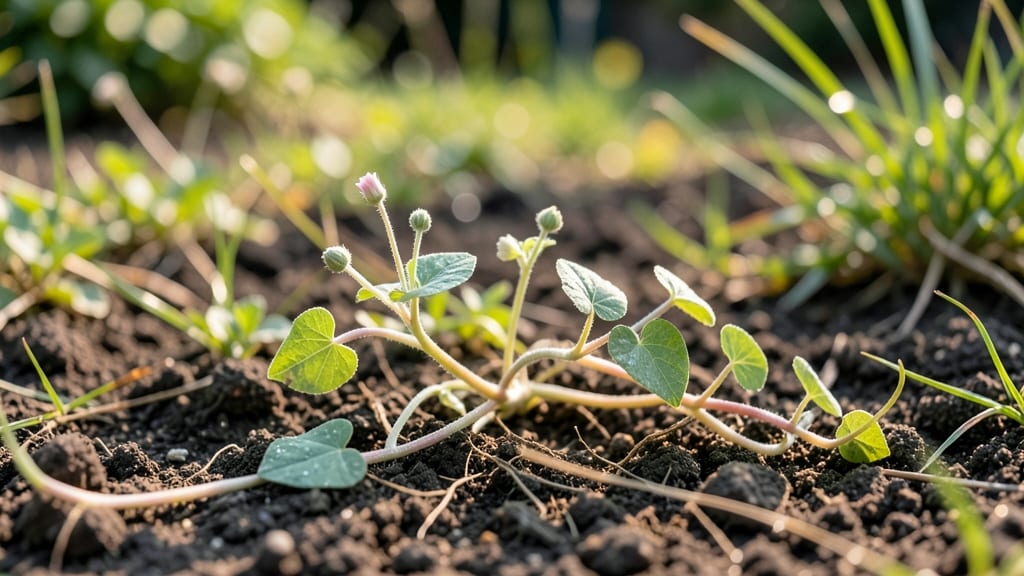
That first sight of hedge bindweed seedlings creeping into your garden is enough to make any gardener's stomach drop. 🌱 I've spent years battling this aggressive invader, and boiling water immersion isn't just another fad—it's the one method that actually works when you're dealing with fresh seedlings before they take root.
The secret lies in timing and technique: you need to hit those seedlings when they're young, with water hot enough to collapse their root systems but not so scalding it burns your soil.
Most people give up because they don't realize how quickly bindweed spreads—once it's established, it's nearly impossible to eradicate without heavy-duty herbicides. But with boiling water, you're stopping it before it starts.
What you'll end up with is a cleaner garden bed, fewer weeds to pull later, and the satisfaction of knowing you've smothered this plant before it could take over.
The process takes less than 10 minutes per section, and you can repeat it every few weeks during the growing season for maximum impact. Works best for small infestations or as part of a larger integrated weed control plan.
Here's exactly how to do it right—no more bindweed taking over your shrubs or flower beds.
📚 In This Guide
- What you need
- Instructions
- Tips and common mistakes
- Wrapping up and next steps
What you need
- ● Boiling water: At least 1 gallon per 10 linear feet of infested area (adjust based on density). Use a large pot, kettle, or even a bucket with a handle for safe pouring.
- ○ Thermometer (optional but helpful): A food-safe or outdoor thermometer to confirm water is 212°F (100°C)—critical for effectiveness.
- ● Protective gear: Heavy-duty gardening gloves (waterproof, long sleeves recommended).
- ● Closed-toe shoes or boots (boiling water splashes happen!).
- ● Sunglasses (to shield from steam and debris).
- ● Garden tools: A hand trowel or small shovel for loosening soil around seedlings.
- ● A pruning shears or loppers (for cutting stubborn roots or vines post-treatment).
- ● Tarps or heavy-duty plastic sheeting: At least 3x4 feet per treatment area to contain water and soil post-immersion.
- ● Garden hose or water source: For rinsing tools and cooling treated areas afterward.
- ● A wheelbarrow or large bucket to transport boiling water safely.
- ● Vinegar (white, 5% acetic acid): Mix 1 part vinegar to 3 parts water post-treatment to weaken remaining roots.
- ● Mulch or landscape fabric: Apply after treatment to smother regrowth.
- ● Spray bottle with soapy water: For cleaning tools and gear post-use.
How to kill hedge bindweed seedlings using boiling water
Here’s a simple, chemical-free method to eliminate stubborn hedge bindweed seedlings before they take root.
💧 Step 1: Locate and Prepare the Seedlings
Scan your garden for hedge bindweed seedlings—look for small, heart-shaped leaves and delicate vines clinging to the soil or mulch. These seedlings are most vulnerable when they’re still young and haven’t developed deep roots. I like to work on a calm, dry day so the soil is firm but not muddy. Wet soil can dilute the boiling water’s effectiveness, so avoid watering the area beforehand.
Use a small hand trowel or your finger to gently loosen the soil around the base of each seedling. This helps the boiling water penetrate deeper and ensures the roots absorb the heat. If the seedlings are clustered, separate them slightly so the water can reach all parts of the root system. You’ll know you’ve done enough when the soil around the roots feels slightly disturbed but not torn apart.
🔥 Step 2: Boil Water and Apply Immediately
Bring a small pot of water to a full boil—about 1-2 cups per seedling is plenty. The key here is speed: hedge bindweed seedlings can recover quickly if left untreated. Once the water is boiling, carefully pour it directly over the base of the seedling, focusing on the soil where the roots are concentrated. You’ll see the steam rise and the soil around the roots darken slightly—this is a good sign the heat is penetrating.
For stubborn clusters, repeat the process with fresh boiling water until the entire root zone is saturated. Avoid pouring water on nearby plants or desirable foliage, as the heat can damage them. If you’re working in a tight space, use a small watering can with a narrow spout for better control. The goal is to ensure the roots absorb enough heat to collapse completely.
✂️ Step 3: Monitor and Remove Residuals
After applying the boiling water, let the area cool for about 10-15 minutes. This gives the heat time to fully penetrate the roots and ensures the seedlings are weakened. You’ll notice the leaves may wilt or turn brown—this is normal and indicates the treatment is working. Once the soil has cooled slightly, use a small hand fork or your fingers to gently dig around the base of the seedlings and pull them out of the ground.
Discard the seedlings in a sealed trash bag or compost bin—never leave them on-site, as even small fragments can regrow. Check the area over the next few days for any survivors and repeat the boiling water treatment if needed. Consistency is key; hedge bindweed is persistent, but this method works best when applied early and thoroughly.
🌱 Step 4: Prevent Regrowth with Barrier Methods
To keep hedge bindweed from returning, create a physical barrier around treated areas. Lay down 2-3 layers of cardboard or thick newspaper followed by a 2-inch layer of mulch, such as wood chips or straw. This blocks sunlight, which hedge bindweed seedlings need to germinate. Water the mulch lightly to help it settle and stay in place. Over time, the mulch will break down, but by then, your garden should be free of new seedlings.
For high-risk areas, consider installing landscape fabric beneath the mulch for extra protection. Check the fabric periodically for any signs of sprouts and treat them immediately with boiling water if they appear. This proactive approach saves you from dealing with larger, more established plants later. With patience and persistence, your garden will stay hedge bindweed-free.
Tips & tricks for effective hedge bindweed removal
This method works best when you're strategic about timing and technique—here's how to make it even more effective.
Timing is Everything: Early morning is ideal for treating seedlings because the soil is still cool and the plants are fully hydrated from overnight moisture. This makes them more vulnerable to the boiling water's heat. I've found that treating on a cloudy day also works well—the absence of direct sunlight means the seedlings won't recover as quickly from the heat shock.
Heat Application Technique: For maximum effectiveness in Step 2, pour the boiling water in a slow, steady stream directly onto the soil where the roots are concentrated. The goal is to create a steam pocket that penetrates deep enough to collapse the entire root system. If you notice the water beading up on the leaves instead of soaking into the soil, that's a sign you need to loosen the soil more thoroughly around the roots first.
Preventing Regrowth: After removing treated seedlings, check the area every 2-3 days for any survivors. Hedge bindweed can be sneaky—sometimes you'll miss a tiny sprout that wasn't visible before. If you find any, treat them immediately with another round of boiling water. This consistency is what keeps your garden truly free of this persistent weed.
Equipment Upgrade: Consider investing in a small, narrow-spouted watering can specifically for this purpose. A regular pot can be messy and less precise. The narrow spout lets you direct the boiling water exactly where you need it, protecting nearby plants while ensuring the roots get fully treated. This makes the process cleaner and more effective, especially in tight garden spaces.
Pro Tips for Hedge Bindweed Seedling
- This method works best when you're strategic about timing and technique—here's how to make it even more effective.
- Timing is Everything: Early morning is ideal for treating seedlings because the soil is still cool and the plants are fully hydrated from overnight moisture.
- Heat Application Technique: For maximum effectiveness in Step 2, pour the boiling water in a slow, steady stream directly onto the soil where the roots are concentrated.
Frequently asked questions
Got questions about tackling hedge bindweed seedlings with boiling water? You’re not alone!
Here are some of the most common concerns—plus quick, actionable answers to help you reclaim your garden without breaking a sweat.
How do I know if I’ve got hedge bindweed seedlings vs. other weeds?
Hedge bindweed seedlings have heart-shaped leaves and grow in a twining, vine-like pattern along the ground or fences. Unlike clover or chickweed, they lack fuzzy textures or clustered growth. If you spot white, trumpet-shaped flowers later in the season, that’s a dead giveaway!
When is the best time to treat hedge bindweed seedlings with boiling water?
Target seedlings in early spring (March–April) or fall (September–October) when they’re small (under 6 inches tall) and actively growing. Avoid treating in extreme heat or drought—soil moisture helps the boiling water penetrate roots effectively. Pro tip: Do this on a calm, dry day to avoid splashing nearby plants!
Will boiling water harm my grass, flowers, or vegetables nearby?
Yes, boiling water can damage nearby plants, but you can minimize risk by:
- Using a shield (like cardboard or a tarp) to protect desired plants.
- Avoiding treatment near shallow-rooted veggies (like lettuce) or delicate perennials.
- Sticking to bare soil areas (e.g., pathways, gravel beds) where weeds thrive.
What if boiling water doesn’t kill the seedlings the first time?
Don’t panic! Hedge bindweed is tough, so repeat treatments every 7–10 days for 2–3 weeks to collapse the root system. If seedlings persist, they may have deep taproots—try soaking the soil first to soften it, or combine boiling water with smothering (black plastic) for 4+ weeks.
Are there chemical-free alternatives to boiling water?
Try these organic methods:
- Manual removal: Pull seedlings while soil is wet (grab the base to avoid regrowth).
- Smothering: Cover infested areas with cardboard + mulch for 6+ weeks.
- Corn gluten meal: Apply as a pre-emergent in early spring to prevent seeds from sprouting.
- Sheep grazing: If you have livestock, they’ll happily munch bindweed (but avoid toxic lookalikes!).
Wrapping up and next steps
Identifying and tackling hedge bindweed seedlings early with boiling water immersion is a game-changer for keeping your garden healthy and weed-free! 🌱 This method is not only effective but also eco-friendly, saving you time and effort in the long run.
Whether you're a seasoned gardener or just starting out, taking action now will pay off with a lush, thriving landscape.
Ready to reclaim your garden? Grab your supplies, follow the steps, and start treating those seedlings today! Your future self—and your plants—will thank you.