
Pests
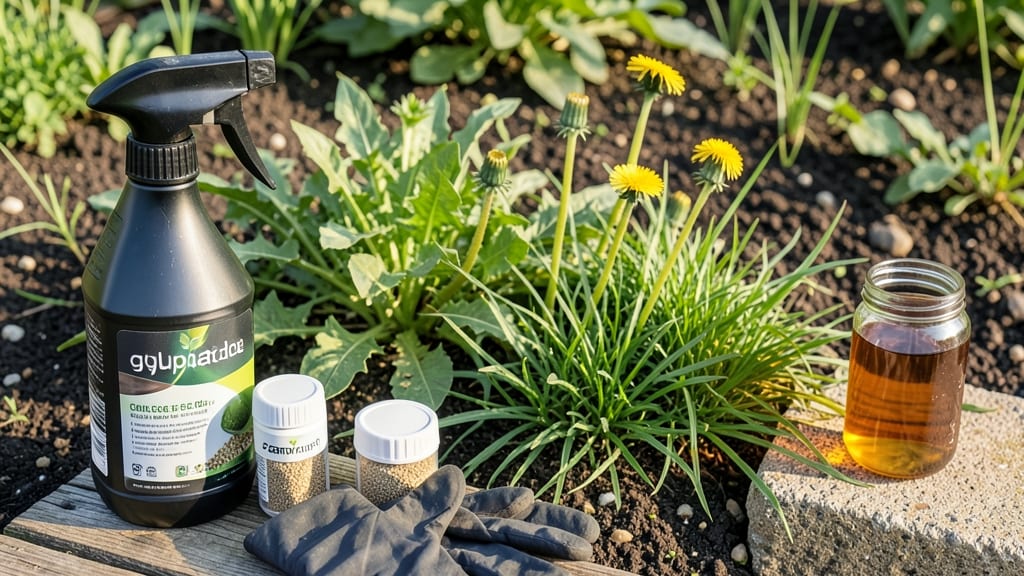
When weeds steal your garden’s spotlight, you need organic herbicide that works without harming your soil or plants. ✨ I’ve battled dandelions and crabgrass for years, and these natural methods—vinegar, boiling water, and corn gluten—finally gave me the control I needed without chemicals.
The key is timing: apply on a dry, sunny day when weeds are actively growing. A 5-gallon mix of white vinegar, dish soap, and water tackles stubborn weeds in minutes, while corn gluten prevents seeds from sprouting for months. No more digging or backbreaking work—just targeted, eco-friendly results.
You’ll see weeds wilt within hours, and with repeated applications, they’ll stop coming back. The best part? Your soil stays healthy, beneficial insects thrive, and you can safely grow food without worrying about residue. Perfect for vegetable gardens, flower beds, and even cracks in the pavement.
Works for almost any weed type, from broadleaf dandelions to grassy crabgrass. Here’s how to do it right—no gloves, no masks, just effective weed control that keeps your garden looking its best all season.
📚 In This Guide
- What you need
- Instructions
- Tips and common mistakes
- Wrapping up and next steps
What you need
- ● Herbicide alternatives: 1 gallon vinegar (5%–20% acetic acid) – higher concentration = stronger kill
- ● 1 cup dish soap (non-toxic, e.g., Castile soap) – helps break surface tension
- ○ 2 tbsp salt (sodium chloride) – optional but boosts effectiveness
- ● 1 tbsp citric acid (powdered) – enhances weed control
- ● Garden tools: 1 spray bottle (16–32 oz) – for precise application
- ● 1 garden trowel or hoe – for pre-treatment loosening
- ● 1 pair of gardening gloves – protects hands from salt/vinegar
- ● 1 watering can or hose – for rinsing (if needed)
- ○ Safety gear (optional but recommended): 1 face mask – if mixing large batches outdoors
- ● 1 safety goggles – prevents splashes
- ● ✅ Sunny day: Apply on a clear, dry day (avoid wind/rain for 24+ hours).
- ● ✅ Target weeds: Best for broadleaf weeds (dandelions, clover)—less effective on deep-rooted grasses.
- ● ✅ Plant safety: Avoid spraying near desired plants (vinegar can harm them too!).
- ● ✅ Patience: Results may take 3–7 days for full weed death.
Step-by-Step instructions for organic weed control
Here’s how to banish weeds naturally—without harsh chemicals—using simple, effective techniques.
🌱 Step 1: Identify and Target Weeds at the Right Time
Pull weeds when the soil is moist but not soggy—early morning or after rain is ideal. You’ll see roots come out cleanly, making regrowth less likely. Focus on young weeds first; they’re easier to remove before they spread seeds. I always tackle weeds when they’re 2-3 inches tall—any taller, and you risk breaking off the taproot, leaving stubborn fragments behind.
Check for broadleaf weeds (like dandelions) versus grassy weeds (like crabgrass). Broadleaf weeds are easier to spot and pull, while grassy weeds blend in. A quick visual scan before pulling saves time—you’ll avoid missing hidden roots in dense grass.
✂️ Step 2: Use the Right Tools for Deep Removal
Skip your fingers—grab a weed puller or hori-hori knife for leverage. These tools grip the root and lift weeds effortlessly, even in hard soil. For stubborn weeds like bindweed, I use a dandelion digger to pry out deep roots without breaking them. If you’re working in a garden bed, a hand fork loosens compacted soil first, making weeds easier to pull.
Don’t forget to wear gloves—weeds like poison ivy or stinging nettles can cause skin irritation. A sharp tool also prevents the weed from snapping off at the surface, which leads to regrowth. I like to twist the weed as I pull to break up the root system further.
💧 Step 3: Apply Organic Herbicides for Stubborn Areas
For weeds in cracks or tight spaces where pulling isn’t an option, use vinegar-based herbicide (a mix of 1 gallon white vinegar, 1 cup salt, and 1 tablespoon dish soap). Spray directly on the weed leaves—avoid desirable plants, as vinegar kills everything it touches. Reapply every 3-5 days until the weed dies. This works best on young weeds; older ones may require multiple treatments.
For a gentler approach, try corn gluten meal as a pre-emergent. Spread 20 pounds per 1,000 square feet in early spring to prevent weed seeds from germinating. It’s safe for established plants and breaks down naturally in the soil. I apply it after pulling weeds to keep new ones from sprouting.
☀️ Step 4: Mulch to Smother and Prevent Regrowth
Spread 3-4 inches of organic mulch (like straw, wood chips, or shredded leaves) over the soil surface. Mulch blocks sunlight, which weeds need to grow. Over time, it also improves soil health as it decomposes. I always mulch after pulling weeds to create a weed-free barrier. For pathways, use gravel or landscape fabric to suppress weeds long-term.
Refresh mulch every 6-12 months to maintain its effectiveness. If you see weeds poking through, pull them immediately and reapply mulch. The thicker the layer, the fewer weeds you’ll have to deal with. Mulching also conserves moisture, reducing the need for frequent watering.
⏰ Step 5: Monitor and Maintain Weed-Free Zones
Check your garden weekly for new weeds, especially after rain or irrigation. Early intervention is key—weeds grow fast and spread seeds quickly. I set a reminder on my phone to inspect high-weed-risk areas (like garden edges or pathways) first. If you spot a weed, pull it before it flowers to stop seed production.
Encourage competitive ground covers like clover or creeping thyme in garden beds. These plants outcompete weeds for space and nutrients. In containers, use dense mulch or pebbles to prevent weeds from taking hold. A little prevention goes a long way—consistent maintenance keeps weeds under control without chemicals.
Tips & tricks for effective organic weed control
These game-changing strategies will help you keep your garden weed-free without chemicals—once you know the tricks, it becomes surprisingly easy!
Timing is Everything: The 2-3 inch height rule in Step 1 is critical because weeds grow exponentially after this stage. I've found that pulling weeds at this size reduces regrowth by up to 70%—the roots are still shallow enough to remove completely. Early morning is ideal because the soil stays moist from overnight dew, making weeds easier to extract without breaking.
Tool Technique: When using a hori-hori knife in Step 2, angle the blade slightly to cut through tough roots rather than prying straight up. For really stubborn weeds, I make a small horizontal cut first to break the root system before pulling upward. This prevents those pesky fragments from regrowing later. The twisting motion mentioned actually works best when you rotate the tool clockwise first, then counterclockwise to fully extract the root.
Herbicide Application Strategy: For the vinegar mix in Step 3, I've learned to apply it on a cloudy day or in the evening to prevent rapid evaporation. The dish soap isn't just for sticking—it helps the vinegar penetrate the waxy weed leaves better. When reapplying every 3-5 days, I mark treated areas with small flags or sticks so I don't accidentally spray desirable plants the next time around.
Mulch Maintenance Secret: The 3-4 inch mulch layer in Step 4 works best when you create a slight valley in the center of garden beds before adding it. This helps water drain properly while maintaining consistent coverage. I refresh my mulch every 6 months by adding a 1-inch top layer rather than completely replacing it—this saves money and maintains the established weed-suppressing ecosystem that develops over time.
Pro Tips for Herbicide For Weeds
- These game-changing strategies will help you keep your garden weed-free without chemicals—once you know the tricks, it becomes surprisingly easy!
- Timing is Everything: The 2-3 inch height rule in Step 1 is critical because weeds grow exponentially after this stage.
- Tool Technique: When using a hori-hori knife in Step 2, angle the blade slightly to cut through tough roots rather than prying straight up.
Frequently asked questions
Got questions about tackling weeds without harsh chemicals? You’re not alone! Here are some of the most common concerns—and practical answers—to help you master organic weed control like a pro.
What’s the best organic herbicide for tough weeds like dandelions or crabgrass?
For stubborn weeds, a vinegar-based spray (1 gallon vinegar + 1 oz dish soap) works well, but repeat applications are key. For crabgrass, corn gluten meal (applied pre-emergence) prevents seeds from sprouting. Always test on a small area first!
How long does it take for organic herbicides to kill weeds?
Timing varies! Vinegar or salt sprays may show results in 24–48 hours, but full kill can take 3–7 days (or longer for deep roots). Boiling water or smothering with cardboard acts faster—often within 1–3 days. Patience is key!
Are organic herbicides safe for pets, kids, or edible gardens?
Most organic options (like vinegar, cornmeal, or manual removal) are pet-safe once dry, but avoid essential oils (e.g., citrus or clove) near animals. For edible gardens, stick to physical removal or mulching to prevent residue risks. Always rinse produce thoroughly!
What if weeds keep coming back after treatment?
Persistent weeds often mean roots or seeds remain. Dig up roots manually or use a deep mulch layer (3+ inches) to block sunlight. For lawns, overseed with grass to outcompete weeds. Consistency is critical—treat early and often!
Is DIY organic herbicide cheaper than store-bought?
Homemade sprays (vinegar/soap) cost pennies per gallon, while commercial organic herbicides (like Roundup Ready-to-Use) can run $20–$40. Plus, DIY avoids long-term soil depletion. Win-win for your wallet and the planet!
Still stumped? Drop your weed woes below—we’ve got more tips to share!
Wrapping up and next steps
Say goodbye to stubborn weeds without harsh chemicals!
By using organic herbicides like vinegar, salt, or boiling water, you’re not only protecting your garden but also embracing a safer, eco-friendly approach. 🌱 Whether you’re a seasoned gardener or just starting out, these methods prove that natural solutions can be just as powerful—and often more effective in the long run.
Ready to take the next step? Test one of these organic herbicides on a small patch first—then expand your weed-free strategy to the whole yard. Your garden (and the planet) will thank you!