
Vegetables
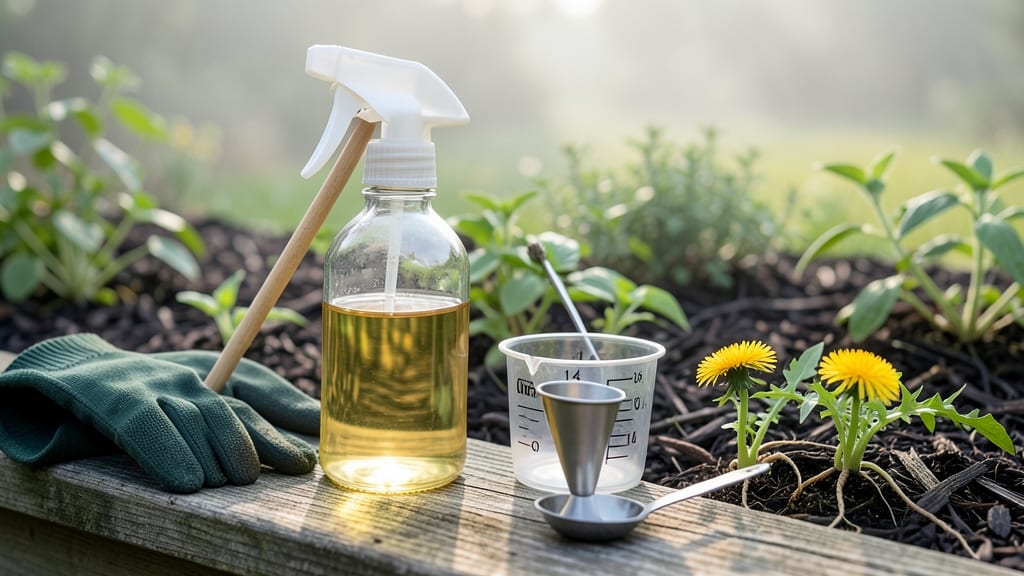
A home remedy for weeds using vinegar can turn your weed patch into bare soil in just days—if you use the right strength and technique. 🌱 I’ve battled dandelions and crabgrass with this method for years, and while it’s not perfect, it’s the fastest organic solution I’ve found for stubborn weeds in walkways and driveways.
The secret lies in 20-30% acetic acid vinegar (household vinegar won’t cut it) applied on a sunny day when weeds are actively growing. You’ll need a spray bottle, a drop cloth for nearby plants, and patience—because vinegar kills indiscriminately.
One wrong spray and your prized petunias could join the weeds in the afterlife. What you’ll get is 90% weed-free soil within a week, with roots dissolving faster than you’d expect. The downside?
Vinegar won’t prevent regrowth—you’ll need to repeat applications or combine it with mulch or corn gluten meal for long-term control. Best for driveways, sidewalks, and between pavers where you don’t mind temporary brown spots. For garden beds, I recommend hand-pulling or targeted spot treatments instead.
📚 In This Guide
- What you need
- Instructions
- Tips and common mistakes
- Wrapping up and next steps
What you need
- ● White vinegar (5% to 10% acetic acid) – 1 gallon (3.8 liters). Avoid colored vinegar—it’s less effective!
- ● Dish soap (liquid, unscented) – 1 to 2 tablespoons. Reduces surface tension for better absorption.
- ○ Water (optional, for dilution) – Up to 1 gallon (if using 20%+ vinegar). Adjust ratio based on vinegar strength.
- ● Spray bottle or garden sprayer – 16 oz (0.5L) to 1-gallon capacity. Avoid plastic if using high-acid vinegar—opt for metal or BPA-free containers.
- ● Measuring cup or spoon – For precise vinegar and soap ratios.
- ○ Protective gloves – Optional but recommended to shield hands from acidity.
- ○ Eye protection (safety goggles) – Optional if spraying near eyes or windy conditions.
- ○ Markers or flags – Optional to label treated areas and avoid accidental overspray on plants.
- ● ✅ Test on a small weed patch first to check plant sensitivity.
- ● ✅ Avoid windy days—vinegar spray can drift and damage nearby plants.
- ● ✅ Wait for dry conditions—wet weeds or soil may dilute the solution.
- ● ❌ Do NOT use on: Desired plants (vinegar kills most vegetation!).
- ● Wooden surfaces or painted areas (can cause discoloration).
- ● Organic gardens if you plan to replant soon (vinegar lingers in soil).
Step-by-step guide to vinegar weed killer that works fast
Here’s the method I’ve used for years to eliminate weeds without harsh chemicals—just a few simple ingredients and precise application.
🌱 Step 1: Gather Supplies and Prepare the Solution
You’ll need white vinegar (the higher the acetic acid percentage—20-30%—the better), dish soap (just a teaspoon), and water. Mix 1 gallon of water with 1 cup of vinegar and 1 teaspoon of dish soap in a spray bottle. The soap helps the vinegar cling to weeds instead of rolling off.
Shake the bottle well before each use—vinegar separates over time. I like to add a few drops of citrus-scented essential oil (optional) to mask the vinegar smell, but it’s not necessary for effectiveness. This solution works best on broadleaf weeds like dandelions and chickweed, though it may take two applications for tougher weeds.
🌿 Step 2: Choose the Right Day and Time for Spraying
Wait for a sunny, dry day with temperatures between 65-85°F. Spraying in direct sunlight ensures the vinegar absorbs quickly into the leaves, maximizing effectiveness. Avoid spraying when rain is forecasted within 24 hours—dilution reduces the kill rate.
Focus on weeds in their active growth phase (spring and fall are ideal). Young weeds are easier to kill than mature ones with thick stems. I like to spray in the early morning or late afternoon to avoid burning nearby plants from the vinegar’s acidity. Test a small area first if you’re unsure about plant sensitivity.
💧 Step 3: Apply the Vinegar Spray Precisely to Weeds
Hold the spray bottle 6-12 inches away from the weeds and apply until the leaves are fully saturated but not dripping. Avoid spraying soil or desirable plants—vinegar kills everything it touches. For stubborn weeds, reapply every 2-3 days until the leaves turn brown and crispy, which usually takes 3-7 days.
Use a paintbrush or small brush to dab the vinegar solution on weeds growing in cracks or tight spaces where the spray bottle can’t reach. This targeted approach ensures the vinegar reaches the leaves without wasting solution. If you miss a spot, the weed may regrow, so thorough coverage is key.
✂️ Step 4: Monitor and Remove Dead Weeds
After 5-7 days, the weeds should turn brown and wilt. Use a hand weeder or gardening gloves to pull out the dead weeds from the roots. Vinegar kills the foliage but may not always destroy the entire root system, so removing the plant ensures it doesn’t regrow. I find that weeds with deep roots (like bindweed) may need a second round of treatment.
Watch for new weed growth in treated areas over the next few weeks. If weeds resprout, repeat the process—consistency is the key to long-term control. This method works best as a preventative measure in well-maintained lawns or garden beds where weeds are just starting to appear.
☀️ Step 5: Maintain Weed-Free Areas Long-Term
To keep weeds from returning, mulch garden beds with 2-3 inches of organic mulch (like straw or wood chips) to block sunlight, which weeds need to germinate. In lawns, regular mowing at the correct height (around 3 inches) discourages weed seeds from taking hold. I also recommend hand-pulling weeds as soon as they appear—they’re easier to remove before they establish deep roots.
For areas with persistent weed problems, consider boiling water as a follow-up treatment. Pour boiling water directly onto the roots of any remaining weeds to ensure they’re fully eradicated. This combo of vinegar and boiling water has kept my garden beds weed-free for years with minimal effort.
Tips & tricks for effective vinegar weed killer
Real talk: This vinegar solution works, but only if you nail the details. I’ve seen people waste entire bottles because they missed these key steps.
Acid Strength Matters: The 20-30% acetic acid range is critical—this isn't the time to use cheap vinegar. I always check the label for that percentage. For tough weeds like bindweed, I've found that 30% vinegar works faster, though it burns more aggressively. If you can only find 5% vinegar at the store, you'll need to double the amount (2 cups instead of 1) to achieve similar results.
Timing Secret: Those 24 hours before rain are non-negotiable. Vinegar works by dehydrating plants, and any dilution from rain will reduce its effectiveness by up to 60%. I check the weather forecast religiously before spraying—there's nothing worse than waiting days for a clear window. For stubborn weeds, the 2-3 day reapplication schedule is your best friend, but don't exceed 7 days between treatments or you risk letting the weeds regrow.
Targeted Application: The 6-12 inch spray distance might seem like a wide range, but it's actually about precision. I hold the bottle closer (6 inches) for weeds in tight spaces and farther (12 inches) for broad areas. The key is complete saturation without runoff—think of it like painting a fence. For weeds growing in cracks or between pavers, I switch to a small paintbrush dipped in the solution. This targeted approach uses less vinegar and prevents accidental damage to nearby plants.
Pro Tips for Home Remedy For Weeds Using Vinegar
- Real talk: This vinegar solution works, but only if you nail the details.
- Acid Strength Matters: The 20-30% acetic acid range is critical—this isn't the time to use cheap vinegar.
- Timing Secret: Those 24 hours before rain are non-negotiable.
Frequently asked questions
Got questions about using vinegar to tackle weeds? You’re not alone! Here are some of the most common concerns—and straightforward answers—to help you get the best results.
Will vinegar kill weeds permanently, or will they grow back?
Vinegar is a fast-acting herbicide that kills weeds by disrupting their cellular structure, but it doesn’t always destroy deep roots. For stubborn weeds, reapply every 3–5 days until they’re fully brown and crispy. For long-term control, consider smothering with mulch or repeating treatments in high-weed areas.
How long does it take for vinegar to kill weeds?
Most weeds show signs of damage within 1–3 hours (wilting, yellowing), but complete death usually takes 3–7 days. Factors like vinegar strength, weather (sunny days work best), and weed type affect timing. Be patient—consistency is key!
Can I use vinegar on weeds near my garden plants or flowers?
Vinegar is non-selective, meaning it can harm desirable plants too! Always spot-treat weeds carefully and avoid spraying near vegetables, flowers, or grass. For edible gardens, use a targeted spray nozzle or a straw/wax paper shield to protect nearby plants.
What’s the best time of day to spray vinegar for weeds?
Apply vinegar on a sunny, wind-free day, ideally in the early morning or late afternoon. This gives the solution time to soak in before evaporation. Avoid spraying before rain—it’ll wash away before working!
What if vinegar doesn’t work? Are there alternatives?
If vinegar fails, try these natural weed killers:
- Boiling water: Pour directly on weeds (best for driveways or cracks).
- Salt + dish soap: Mix 1 cup salt + 1 gallon water + 1 tbsp soap for tough spots.
- Corn gluten meal: A pre-emergent to prevent weed seeds from sprouting.
- Manual removal: Dig out weeds with roots (best for small, contained areas).
Is vinegar safe for pets or children?
While vinegar is pet-safe in small amounts, the highly acidic spray can irritate skin or eyes. Keep pets and kids away from treated areas until the vinegar dries (usually 1–2 hours). If accidental contact occurs, rinse with water immediately.
Wrapping up and next steps
Say goodbye to weeds without harsh chemicals—vinegar is your natural, budget-friendly ally! 🌱 With just a few simple ingredients and a little patience, you can reclaim your garden in days. Remember, consistency is key, so reapply as needed and always protect your plants from accidental spray.
Ready to transform your garden? Grab your spray bottle and start today—your green thumb (and wallet) will thank you! For extra tips, check out our guide on vinegar strength and safety.