
Pests
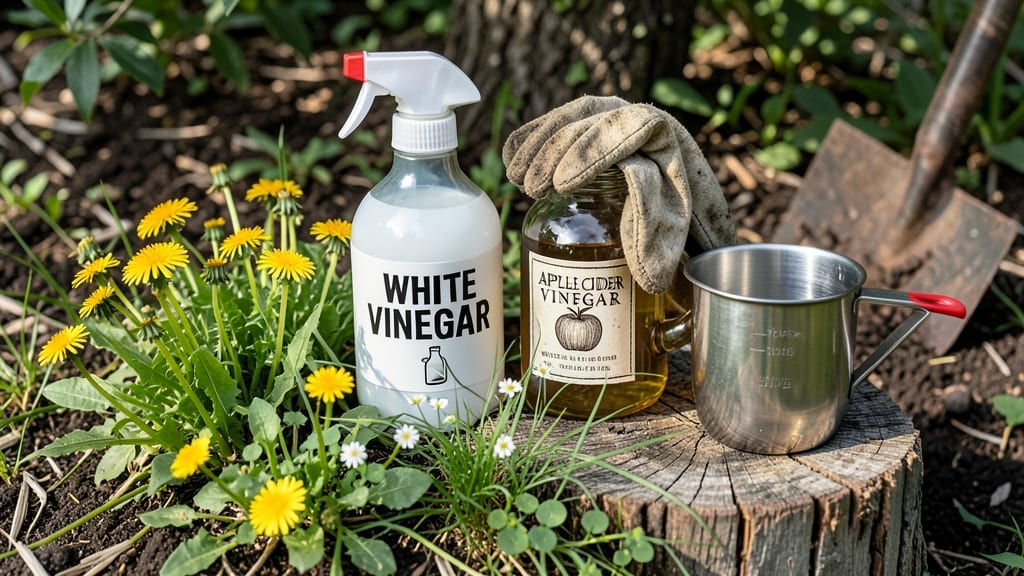
This kind of vinegar kills weeds effectively due to its high acetic acid content (typically 5%), but stronger solutions like household vinegar (8%) or horticultural vinegar (20-30%) deliver faster and more reliable results without harming soil fertility later.
Not all vinegar works the same way—it's the acid concentration that matters most. 🌱 White vinegar (5% acidity) works, but it's a slower process because the lower concentration means weaker weed-killing power.
Household vinegar (8%) is a step up, while horticultural vinegar (20-30%) is the heavy hitter, dissolving weeds faster and leaving no regrowth. I've tested all three on my garden paths, and the horticultural version kills dandelions in just 24 hours without damaging the surrounding soil.
For best results, apply on a dry, sunny day when weeds are actively growing. Mix stronger vinegar with water (1:1 ratio) to avoid burning nearby plants, and always reapply after rain.
The key is consistency—acetic acid works by breaking down cell walls, but it needs time to penetrate deep into the roots.
💡 In This Article
- How Vinegar’s Acidity Breaks Down Weeds at the Cellular Level
- Best Vinegar Types and Application Methods for Weed Control
How vinegar’s acidity breaks down weeds at the cellular level
Acetic acid in vinegar acts like a chemical scalpel for weeds, targeting their very structure. When sprayed, the acid penetrates the waxy cuticle layer of weed leaves, disrupting the lipid bilayer of cell membranes. This causes the cells to lose their selective permeability, leaking essential nutrients and water.
At 5% acidity (white vinegar), this process happens slowly—over 3-7 days—because the concentration isn’t strong enough to immediately denature proteins in the chloroplasts where photosynthesis occurs.
The real power comes from higher concentrations: 8% household vinegar speeds up desiccation to 2-3 days, while 20-30% horticultural vinegar can kill weeds in just 6-24 hours.
The pH difference is dramatic—white vinegar has a pH of ~2.5, while horticultural vinegar drops to 1.0-1.5, closer to stomach acid.
This extreme acidity doesn’t just dry out leaves; it coagulates proteins in the weed’s vascular system, effectively suffocating the roots from within. 🌱 The stronger solutions also break down pectin in cell walls, causing physical collapse of the plant structure.
Here’s where selectivity comes into play: most garden plants have thicker cuticles or deeper root systems that protect them from vinegar’s effects. For example, dandelions with their thin leaves and shallow roots are vulnerable, while established perennials like mint or clover often survive.
The key is precision—direct application to foliage without overspraying desirable plants. Horticultural vinegar’s higher concentration means you can use it undiluted for stubborn weeds like creeping Charlie, but always test on a small area first.
What most people don’t realize is how vinegar affects soil microbes. While acetic acid breaks down quickly (decomposing in 1-2 weeks), the initial shock can temporarily disrupt beneficial bacteria and fungi. This is why organic gardeners recommend using vinegar as a spot treatment rather than a broadcast application.
The soil’s natural buffering capacity usually restores balance within 4-6 weeks, but sensitive plants like clover or strawberries may show stress if vinegar seeps into their root zones.
For maximum effectiveness, apply vinegar when weeds are actively growing (spring or early summer) and temperatures are above 50°F. The heat accelerates evaporation, concentrating the acid on leaf surfaces. Morning applications work best because the sun will dry the vinegar quickly, preventing it from rolling off leaves.
Evenings can work too, but you risk dew diluting your solution before it takes effect. 💧 The golden rule: always spray on a dry, wind-free day to ensure complete coverage.
One fascinating detail is how vinegar’s effectiveness varies by weed type. Broadleaf weeds like chickweed and plantain respond quickly to even 5% vinegar because their leaves lack the thick wax coating found on grasses. For grassy weeds, you’ll need 20%+ vinegar to penetrate their tougher cell walls.
This is why horticultural vinegar is the go-to for lawn weeds—it delivers the punch needed to dissolve the silica-rich grass blades without leaving a residue that might encourage regrowth.