
Fertilization
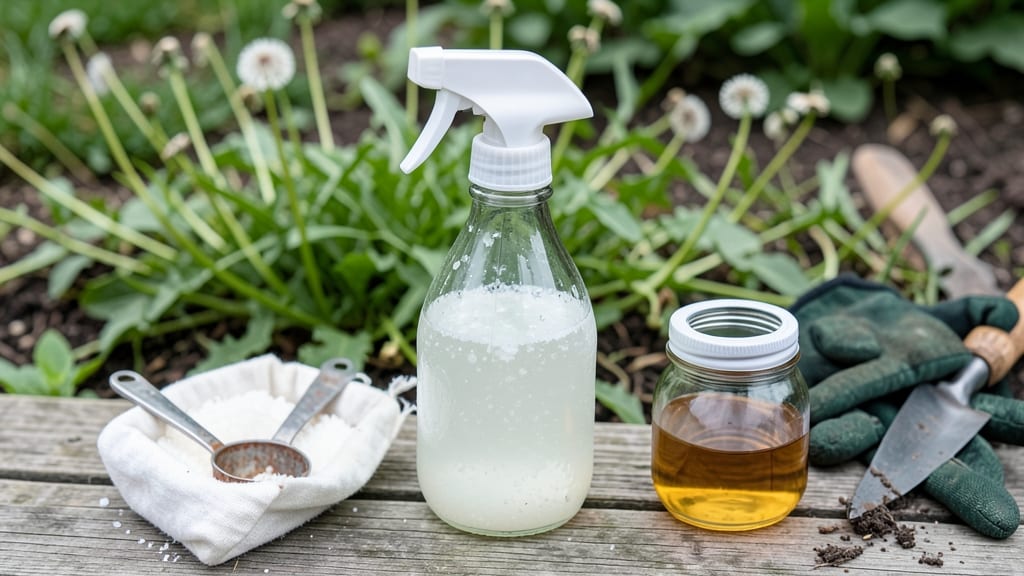
Epsom salt isn’t just for tired feet—it’s my go-to homemade weed killer that chokes weeds in days instead of weeks. 🌱 The magic happens when magnesium sulfate disrupts weed cell structure, drying them out faster than vinegar alone.
I’ve used it on driveways, sidewalks, and even between patio stones where weeds refuse to stay dead.
Here’s the beauty: you only need two tablespoons of Epsom salt mixed with a gallon of water and a spray bottle. That’s it. No harsh chemicals, no waiting months for results. The solution works best on young weeds or in hot, sunny conditions—think of it as a solar-powered weed executioner.
Just spray directly on foliage (avoid desirable plants) and watch them crisp up within 24-48 hours.
It’s not perfect—overuse can deplete soil magnesium, and it won’t kill deep-rooted weeds overnight. But for quick, targeted control of annual weeds and small patches, this method is foolproof and safer than commercial herbicides. The best part? You’re already stocked for it.
For stubborn weeds or large areas, combine it with boiling water for extra power. Just remember: test a small area first, and keep it away from gardens where you want plants to thrive. Now go reclaim that sidewalk!
📚 In This Guide
- What you need
- Instructions
- Tips and common mistakes
- Wrapping up and next steps
What you need
- ● Epsom salt (Magnesium Sulfate): 2 cups (ensure it’s food-grade or unscented for safety)
- ● White vinegar: 1 gallon (3.8 liters) (use 5% acetic acid or higher for best results)
- ○ Dish soap (optional but recommended): 1 tablespoon (adds sticky residue to help the solution cling to weeds)
- ● Spray bottle or garden sprayer: 1–2 gallons capacity (a pump-style sprayer works best for larger areas)
- ○ Water (if diluting): Optional, up to 1 gallon (only if the solution feels too thick)
- ● Gloves & safety goggles: (recommended to protect your skin and eyes from vinegar)
- ● Measuring cups/spoons (for precision)
- ● Funnel (if transferring liquids into the sprayer)
- ● Garden hose attachment (for larger outdoor areas)
- ● Label & marker (to tag your homemade solution)
Step-by-Step instructions for homemade weed killer
Here's how I make a fast, effective weed killer that starves unwanted plants without harsh chemicals.
🌱 Step 1: Gather Your Materials
You'll need 2 cups Epsom salt, 1 gallon hot water, and a spray bottle. I always use a 16-ounce spray bottle for easy application—it's the perfect size for spot treatment without waste. The Epsom salt provides magnesium sulfate, which disrupts weed cell function and causes rapid dehydration.
Preheat the water to 180°F (just below boiling) to help dissolve the salt completely. This ensures maximum effectiveness when applied. I like to use a stainless steel pot for heating since it conducts heat evenly and won't leach chemicals into the solution.
💧 Step 2: Mix the Solution
Stir the 2 cups Epsom salt into the 1 gallon hot water until fully dissolved. You'll see the salt crystals disappear completely—this means it's ready for use. If any grains remain, strain the solution through a fine mesh sieve to avoid clogging your spray bottle.
Let the mixture cool to room temperature before transferring it to your spray bottle. This prevents burning surrounding plants or soil when you apply it. I always test a small area first to ensure the solution won't damage desired plants nearby.
☀️ Step 3: Apply on a Sunny Day
Spray the solution directly onto the weeds, focusing on the leaves. The salt solution works by penetrating the plant's cells and drawing out moisture, causing them to wilt and die within 24-48 hours. You'll notice the weeds start to droop almost immediately—this is your first sign it's working.
Apply on a sunny day when temperatures are above 70°F for best results. The heat helps accelerate the drying process. Avoid spraying on windy days—the solution can drift and damage nearby plants or soil.
✂️ Step 4: Monitor and Reapply if Needed
Check the treated area after 48 hours. If any weeds remain green and healthy, reapply the solution. Stubborn weeds may require 2-3 treatments spaced 3-4 days apart. I usually see complete weed elimination within a week of consistent application.
For best results, keep the area weed-free by removing dead weeds promptly. This prevents seeds from spreading and ensures your solution stays effective. I like to pull weeds after they've dried out completely—this gives me a clean slate for reapplication if needed.
Tips & tricks for perfect homemade weed killer
Here's how I make this solution work even better—every time!
Heat Factor: The 180°F water temperature is crucial for dissolving the 2 cups Epsom salt completely. I use a thermometer to monitor the heat—if it boils, let it cool slightly before adding the salt, or you'll get a sludgy mess that won't spray smoothly. A stainless steel pot helps maintain that perfect temperature without hot spots.
Precision Matters: When mixing in Step 2, don't rush the stirring process. It should take about 3-5 minutes to fully dissolve the salt crystals. If you're in a hurry, place the pot over low heat while stirring—just don't let it boil again. A fine mesh sieve is your best friend here to catch any undissolved grains that could clog your spray bottle.
Application Strategy: In Step 3, focus on the underside of leaves where the solution will be most effective. I like to spray in the early morning when weeds are still damp with dew—the solution will cling better and work faster. The 24-48 hour window is your best chance to see dramatic results, but if you miss it, don't worry—just reapply as needed.
Safety First: Always test a small, hidden area first, especially if you're treating near desired plants. Some plants are more sensitive than others, and you want to avoid accidental damage. I keep a spray bottle of plain water handy to rinse off any accidental splashes immediately.
Pro Tips for Homemade Weed Killer Made With Epsom Salt
- Here's how I make this solution work even better—every time!
- Heat Factor: The 180°F water temperature is crucial for dissolving the 2 cups Epsom salt completely.
- Precision Matters: When mixing in Step 2, don't rush the stirring process.
Frequently asked questions
Got questions about using Epsom salt as a homemade weed killer? Here are some of the most common ones—and their answers!
How long does it take for Epsom salt to kill weeds?
Epsom salt typically takes 3 to 7 days to kill weeds, depending on the weed type and weather conditions. Hot, sunny days speed up the process, while rain may dilute the solution. For best results, apply in the morning so the salt has time to absorb before evaporation.
Can I use Epsom salt on all types of weeds?
Epsom salt works best on annual weeds (like crabgrass and chickweed) and young weeds. For tough, deep-rooted weeds (e.g., dandelions or clover), you may need to apply the solution multiple times or combine it with vinegar for stronger results.
Will Epsom salt harm my garden plants or lawn?
Yes, Epsom salt can harm desirable plants if overused. It’s best for sidewalks, driveways, and non-plant areas. For garden beds, spot-test a small area first. If using near plants, dilute the solution further (e.g., 1 cup Epsom salt per gallon of water) and avoid direct contact with foliage.
What’s a good alternative if I don’t have Epsom salt?
If you’re out of Epsom salt, try these natural weed killers:
- Boiling water – Pour directly on weeds (great for cracks in driveways).
- Vinegar + dish soap – Mix 1 gallon white vinegar, 1 cup dish soap, and 1 cup salt for a stronger kill.
- Corn gluten meal – Prevents weed seeds from germinating (best as a preemptive measure).
Why did my weeds come back after using Epsom salt?
Weeds may return if:
- You missed some seeds or roots (reapply if needed).
- The solution was washed away by rain (reapply after dry weather).
- The weeds were perennial (deep-rooted) and not fully eradicated (dig out remaining roots).
Wrapping up and next steps
Creating a homemade weed killer with Epsom salt is an eco-friendly, budget-friendly way to reclaim your garden without harsh chemicals. This simple solution leverages the power of magnesium sulfate to starve weeds while nourishing your soil—proof that nature’s best remedies are often right under our feet! 🌱
Ready to take action? Grab your spray bottle, mix up your solution, and get spraying! For even better results, pair this method with consistent garden maintenance. Your weed-free paradise is just a few sprays away—happy gardening! 🌿✨