
Planting
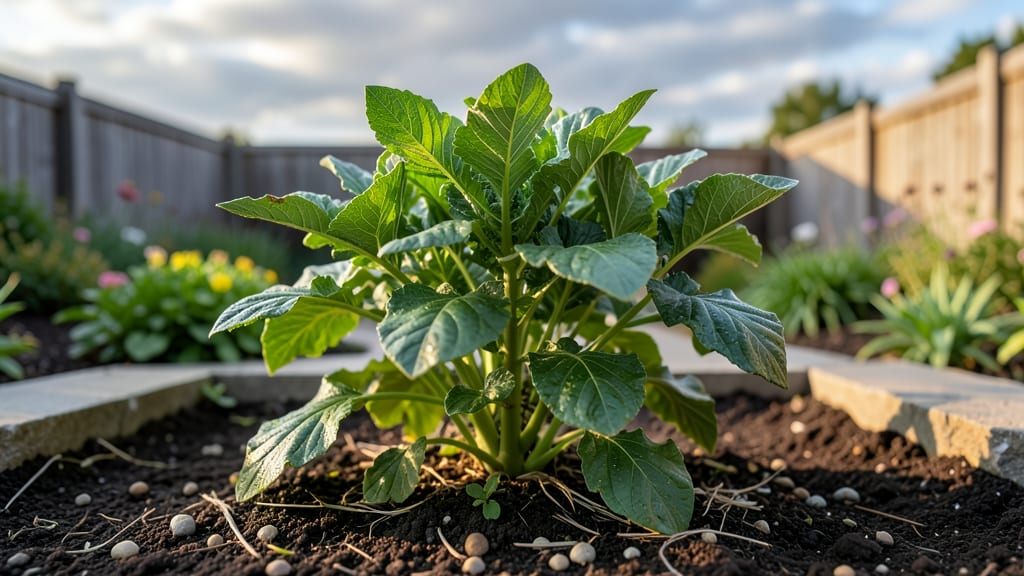
To plant vegetables after weed killer, wait 1–6 months depending on the type: synthetic herbicides like glyphosate require 90+ days, organic options such as vinegar or corn gluten meal need 1–4 weeks, and pre-emergent sprays demand 3–6 months for safe growth. Always verify product labels for exact wait times.
Timing depends entirely on the herbicide type and its chemical makeup. Synthetic weed killers like glyphosate linger in soil by binding to organic matter, while organic alternatives break down faster through microbial action. 🌱 For example, vinegar-based solutions degrade within days, but pre-emergent sprays can persist for months.
Root vegetables like carrots or potatoes are more sensitive to residue than leafy greens, so always test soil before planting edibles.
If you're eager to replant sooner, consider using raised beds with fresh soil or container gardening to avoid treated ground entirely. Adding compost or cover crops can also help accelerate residue breakdown, though this won't eliminate the need for proper wait times with synthetic products.
💡 In This Article
- Weed Killer Residue Breakdown: How Long Until Safe for Edible Plants?
- Safe Planting Timelines for Vegetables After Weed Killer Application
Weed killer residue breakdown: how long until safe for edible plants?
The chemical breakdown of weed killers varies dramatically between synthetic and organic types. Glyphosate, the active ingredient in Roundup, binds to soil organic matter and breaks down primarily through microbial activity.
Studies show it degrades at a rate of about 60 days in warm, moist soil, but can persist up to 12 months in cold or dry conditions.
The breakdown process involves soil bacteria converting glyphosate into simpler compounds like aminomethylphosphonic acid (AMPA), which is less toxic but still requires proper wait times.
Pre-emergent herbicides like pendimethalin or trifluralin work differently—they create a chemical barrier that prevents weed seeds from germinating. These compounds can remain active in soil for 3-6 months or longer, depending on rainfall and soil type.
The key factor is leaching: heavy rains help wash these chemicals deeper into the soil profile, but they can still inhibit plant growth at lower concentrations.
Organic weed killers like vinegar (acetic acid) or corn gluten meal degrade much faster—vinegar evaporates within 24-48 hours, while corn gluten meal breaks down in 1-4 weeks through microbial action.
Soil microbes play a crucial role in residue breakdown. When you apply synthetic herbicides, they temporarily disrupt beneficial soil bacteria and fungi. This microbial imbalance can take 30-60 days to recover, which is why planting vegetables too soon may result in stunted growth or yellowing leaves.
Organic weed killers, on the other hand, often stimulate microbial activity, accelerating soil recovery. For example, corn gluten meal not only suppresses weeds but also adds nitrogen to the soil, creating a more hospitable environment for plants.
Here's what's actually happening in your soil: synthetic herbicides create a "chemical memory" that can last for months. Even after the active ingredient breaks down, residual metabolites may still affect plant growth.
This is why root vegetables like carrots or potatoes are more sensitive—they absorb water and nutrients from deeper soil layers where residues may concentrate. Leafy greens like lettuce or spinach are less affected because they primarily use surface soil, but they can still accumulate trace amounts of herbicide residues.
Consider these key factors when evaluating residue safety:
- Soil type: Clay soils hold residues longer than sandy soils due to higher organic matter content
- Climate: Warm, wet conditions accelerate breakdown while cold, dry periods slow it down
- Application method: Spot treatments degrade faster than broadcast applications
- Plant sensitivity: Root crops need longer wait times than fruiting plants
The most reliable way to determine safety is through soil testing. Many agricultural extension services offer herbicide residue testing kits that can detect levels below the EPA's safety threshold. For home gardeners, a simple rule of thumb is to wait at least twice the labeled wait time for sensitive crops.
This extra buffer accounts for variations in soil conditions and application rates that aren't always specified on product labels.