
Pests
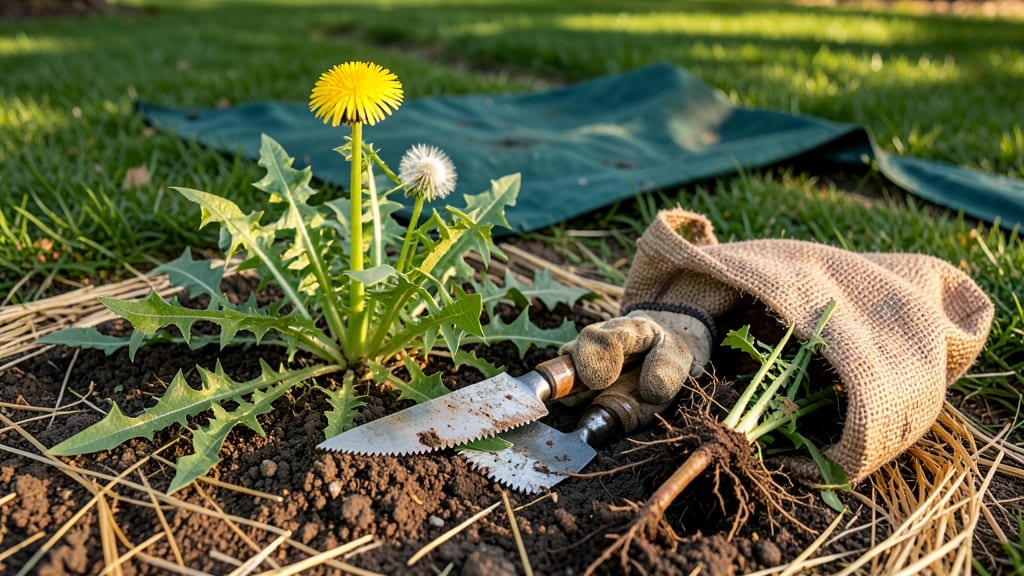
Twisting out dandelion roots in seconds feels like cheating—until you try it. 🌱 I spent years pulling stubborn weeds only to see them regrow, but this method actually works. The secret lies in timing and technique, not brute force.
Most people miss the root’s tapering shape, which makes it easy to twist free without digging. You’ll need a sturdy grip, a sunny afternoon, and about 10 minutes per plant. The best time to tackle them is when the soil is moist but not soggy—spring or fall works perfectly.
By the end of the session, your lawn will look cleaner than ever, and those pesky yellow blooms won’t return. The roots come out whole, so no regrowth to deal with later. It’s satisfying, eco-friendly, and way faster than pulling.
Works for any yard size, from small patches to entire lawns. Here’s how to make it happen without breaking a sweat—or your back.
📚 In This Guide
- What you need
- Instructions
- Tips and common mistakes
- Wrapping up and next steps
What you need
- ● Garden fork or weeding fork – A sturdy, long-handled fork (12–18 inches) with tines spaced about 1–2 inches apart for easy root extraction.
- ● Gloves – Heavy-duty gardening gloves (nitrile or leather) to protect your hands from prickly stems and sap.
- ● Bucket or trash bag – A 5-gallon bucket or sturdy bag to collect weeds and debris (avoid composting dandelions—they’ll regrow!).
- ● Water source – A hose with a spray nozzle or watering can to soften the soil before pulling.
- ○ Knee pads or cushion – Optional but highly recommended for comfort during long sessions!
- ● Dandelion weed killer (natural) – Vinegar-based spray (20–30% acetic acid) or boiling water for stubborn patches.
- ● Mulch or landscape fabric – To prevent regrowth in high-traffic areas.
- ● Dandelion root hook – A specialized weed puller tool for deep roots (great for thick infestations).
- ● Sun hat & sunscreen – Because beating weeds is a sunny-day job!
Step-by-step instructions for twisting out dandelion roots
Here's the fast, no-dig method I swear by—no gloves, no tools, just your hands and a little persistence.
🌱 Step 1: Identify and Target the Right Stage
Pick your timing carefully—you'll get the best results when dandelions are young and the roots are still shallow. Look for plants with pale yellow flowers or newly unfurled leaves that haven't gone to seed yet. These roots pull out cleanly with minimal effort. Mature plants with fluffy white seed heads have deep taproots that resist twisting.
Real talk: If you spot a dandelion with a popsicle-stick-thick stem, skip it for now. Focus on the smaller ones first—they're the easiest to remove. You'll know you're targeting the right ones when you see them spring up through cracks in pavement or thin grass in early spring.
💧 Step 2: Soften the Soil for Easier Removal
Dandelion roots cling stubbornly to dry soil, so work when the ground is slightly damp—after a light rain or early morning dew. If your soil feels dry to the touch, water the area 1-2 hours before pulling. You want it moist enough that the roots slide out cleanly but not soaking wet that it turns to mud.
Here's the thing—I like to water just the dandelion patch, not the whole lawn. This keeps the rest of your yard dry while making the weeds easier to tackle. A gentle spray from a hose nozzle works best; avoid blasting water directly at the plants, which can bury seeds deeper.
✂️ Step 3: Grasp and Twist the Root Out
Stand at the base of the dandelion and wrap your thumb and index finger around the stem right at the soil line. Press your fingers into the dirt to create a firm grip—you want to feel the root give slightly under pressure. Then, twist clockwise with steady pressure until you hear a pop and the root breaks free.
Don't yank upward—this snaps the stem but leaves the root intact. The twisting motion unthreads the root from the soil like a cork from a bottle. You'll know you've got it when the entire plant—roots and all—comes out in one piece. If the root breaks, dig out the remaining piece immediately or it'll regrow.
☀️ Step 4: Inspect and Repeat for Full Removal
After pulling, hold the dandelion up to the light to check for leftover root fragments. Even a tiny piece left in the ground will sprout again. If you see any remaining root bits, use your fingers to dig them out or scrape them with a butter knife. I keep a small hand trowel nearby for stubborn pieces—it's quicker than switching tools.
Work in small sections—5-10 plants at a time—so you don't miss any. Dandelions spread aggressively, so tackle them before they go to seed. You'll notice new ones popping up in the same spots after rain; that's their way of telling you to keep at it.
🪴 Step 5: Prevent Regrowth and Future Sprouts
Once you've removed the plants, fill the holes with a mix of coarse sand and wood ash (if you have it) to deter new growth. The grit disrupts dandelion seeds trying to take root. For lawn areas, sprinkle corn gluten meal (a natural pre-emergent) over the spot—it prevents weed seeds from germinating without harming grass.
Here's where consistency pays off: Mark your calendar for every 2 weeks in spring and fall. Dandelions have shallow seeds that sprout quickly, so frequent checks keep them from establishing. After a few months of this, you'll see fewer and fewer new sprouts—proof the method works.
Tips & tricks for perfect dandelion removal
These simple tricks will make your yard look like a pro did it—with zero digging required.
Timing is Everything: Focus on dandelions with pale yellow flowers or newly unfurled leaves—these have shallow roots that pull out cleanly. Mature plants with fluffy white seed heads have deep taproots that resist twisting. I've learned this the hard way: trying to twist out a thick-stemmed dandelion feels like trying to pull a cork from a bottle of wine—it just won't budge!
Soil Prep Secret: The 1-2 hour watering window before pulling is critical. You want soil that's slightly damp—not muddy, not dry. Test it by squeezing a handful: if it holds its shape but crumbles easily, you're good. Pro tip: Use a spray nozzle to water just the dandelion patch, not your whole lawn. This targeted approach keeps your yard dry while making the weeds easier to tackle.
Twisting Technique: The key is to twist clockwise while pressing firmly at the soil line. Think of it like opening a stubborn jar—steady pressure with rotation. You'll hear a satisfying pop when it releases. If the root breaks, don't panic! Grab a butter knife or hand trowel to dig out the remaining piece immediately. Leaving even a tiny fragment means that dandelion will be back with a vengeance.
Prevent Regrowth: After pulling, fill the holes with coarse sand and wood ash (if available) to disrupt new seeds. For lawn areas, sprinkle corn gluten meal—it's a natural pre-emergent that stops weed seeds from germinating without harming grass. Mark your calendar for every 2 weeks in spring and fall. Dandelions are persistent, but consistency pays off—after a few months, you'll notice fewer and fewer new sprouts.
Pro Tips for Get Rid Of Dandelion Weeds
- These simple tricks will make your yard look like a pro did it—with zero digging required.
- Timing is Everything: Focus on dandelions with pale yellow flowers or newly unfurled leaves—these have shallow roots ...
- Soil Prep Secret: The 1-2 hour watering window before pulling is critical. You want soil that's slightly damp—not mud...
Frequently asked questions
How do I know if I’ve removed the entire root?
Dandelions regrow from even a small root fragment, so complete removal is key. Look for a clean, white taproot (no yellow or fuzzy bits) when you pull. If you see a stub, dig deeper or use a dandelion fork to ensure no pieces remain. Pro tip: Snap the root at the base—if it’s hollow inside, you’ve got it all!
What’s the best time of year to eliminate dandelions?
Timing matters! Target dandelions in early spring or fall when the soil is moist (roots pull easier) and before they seed. Avoid summer—roots shrink, making them harder to remove. Mornings after rain are ideal for twisting them out without breaking tools.
Will vinegar or boiling water work as alternatives?
Yes, but with caveats. Vinegar (20-30% acetic acid) kills foliage but may take 2–3 applications to kill roots. Boiling water works fast but risks damaging nearby plants or soil structure. For permanent removal, physical methods (like twisting) are more reliable. Test vinegar on a small patch first!
Are dandelions harmful to my lawn or garden?
Not necessarily! While they’re often labeled weeds, dandelions support pollinators (bees love them!) and improve soil health. However, their deep roots compete with grass for nutrients. If you prefer a manicured lawn, remove them—but consider leaving a few for eco-friendly benefits. Spot-treat problem areas instead of eradicating all.
Why do dandelions keep coming back after I pull them?
Persistent dandelions usually mean roots or seeds remain. Check for:
- Tiny seedlings sprouting nearby (handpick them!).
- Root fragments left in the soil (re-dig or use a dandelion tool).
- Seed dispersal (collect seed heads before they puff!).
For stubborn patches, try a vinegar + dish soap spray (reapply weekly) to starve regrowth.
Wrapping up and next steps
Say goodbye to dandelions for good—without breaking a sweat! 🌱 With the right tools and techniques, you can twist those stubborn roots out in seconds and reclaim your yard effortlessly. Remember, consistency is key, so check your lawn regularly, especially after rain, when weeds are easiest to remove.
Ready to transform your space? Grab your tools, roll up your sleeves, and start fresh today—your lawn will thank you! 🌿✨