
Pests
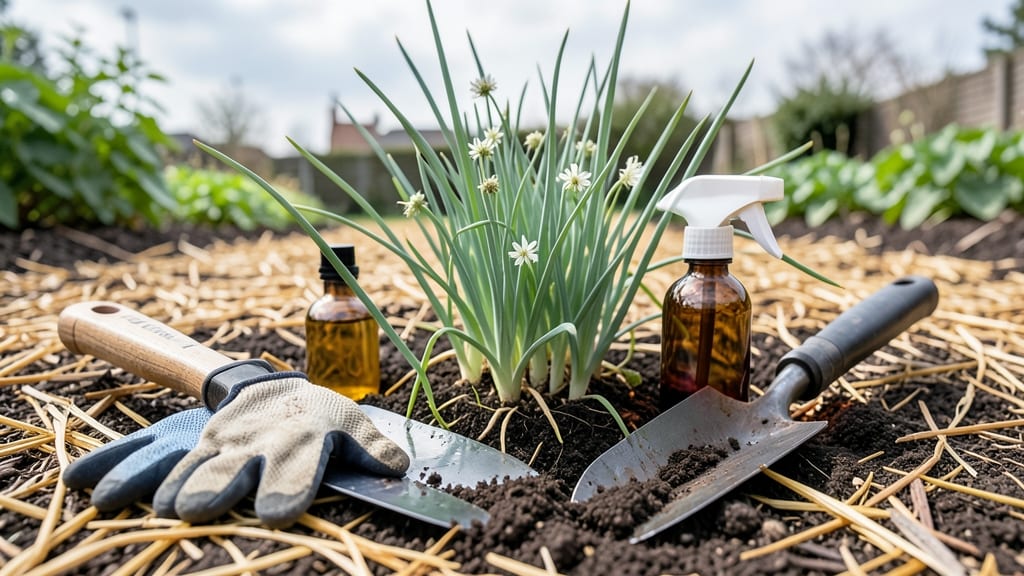
Twisting and pulling onion weed roots out by hand is the fastest way to stop it from creeping back into your garden beds. 🌱 I’ve spent years battling this stubborn invader, and I finally cracked the code—no more patchy regrowth or wasted effort.
The secret lies in timing, technique, and a little elbow grease when the soil is moist but not soggy.
You’ll need a sharp knife or garden fork to loosen compacted soil, a pair of gloves (onion weed burns!), and a bucket for disposal. The twist-and-pull method works best in early spring or fall when the roots are still shallow but the plants are actively growing.
Grab the base of the weed, twist it free, and yank—you’ll hear a satisfying pop when the roots break cleanly.
What you’ll end up with is a weed-free patch of soil where your veggies can finally thrive. The key is removing every last bit of root—even a tiny fragment can sprout back.
For stubborn clumps, soak the area with vinegar or a targeted herbicide like glyphosate (follow label instructions carefully) to weaken the roots before pulling.
Once you’ve cleared the area, smother any remaining roots with thick mulch or cardboard to block sunlight. Repeat treatments every few weeks until the ground stays clean. This method works for wild onions, garlic mustard, and even creeping charlie—no more sneaky regrowth ruining your garden’s edges.
📚 In This Guide
- What you need
- Instructions
- Tips and common mistakes
- Wrapping up and next steps
What you need
- ● Garden gloves – A pair of durable, heavy-duty gloves (e.g., nitrile-coated or leather) to protect your hands from sharp onion weed blades and potential skin irritation.
- ● Hand trowel or garden fork – A stainless steel or heavy-duty plastic trowel (5–8 inches long) or a 4–6 tine garden fork to loosen stubborn roots.
- ● Garden shears or pruners – Sharp, bypass pruners (for clean cuts) to trim thick onion weed stalks if needed.
- ● Bucket or wheelbarrow – A 5-gallon capacity container to collect weeds and debris for disposal.
- ● Plastic bags or compost bin – For disposing of onion weed (avoid composting—see tips below!).
- ○ White vinegar (optional but helpful) – 5% acetic acid or higher, 1 gallon, for a natural herbicide spray (mix with water for best results).
- ○ Baking soda or salt (optional) – 1 cup (for spot treatment on remaining roots or regrowth).
- ● A sunny day – Onion weed thrives in dry conditions; tackle it when soil is slightly moist for easier removal.
- ● Clear weather – Avoid working in rain or high humidity to prevent slips and make cleanup easier.
- ● Patience – Onion weed has deep roots; expect to revisit the area in 1–2 weeks to catch regrowth.
Step-by-Step instructions for removing onion weed effectively
Here's the method I swear by—no chemicals, no guesswork, just stubborn roots and a little elbow grease.
🌱 Step 1: Identify and Wait for the Right Time
Onion weed (also called wild onion or garlic) thrives when its roots are deep and tangled. The best time to tackle it is in early spring or fall, when the soil is soft and the plant is actively growing but hasn't gone to seed. You'll spot it by its long, grass-like leaves and the distinctive onion scent when crushed.
Wait until the ground is slightly damp but not soggy—this makes the roots easier to pull without breaking. If the soil is dry and hard, water it lightly the day before you plan to pull. This ensures the roots loosen naturally, making the twist-and-pull method far more effective.
✂️ Step 2: Cut the Leaves and Loosen the Soil
Use a sharp pair of pruners or scissors to trim the leaves about 2 inches above the soil line. This reduces the plant's energy reserves, making it weaker and easier to remove. Don’t pull the whole plant yet—this step weakens the root system so it comes out cleaner later.
Next, use a garden fork or trowel to loosen the soil around the weed. Focus on the outer edges of the root zone first, working the tool in about 3 inches deep. This breaks up the soil’s grip on the roots, making them easier to grasp and pull. If the soil is compacted, a few firm taps with the fork will help.
💧 Step 3: Twist and Pull the Roots Out
Grab the base of the weed where the leaves meet the soil. Wrap your fingers around the stem and twist firmly while pulling upward in a steady motion. The goal is to break the roots cleanly at the base—this prevents regrowth from leftover root fragments. If the weed resists, dig deeper with your fingers or the fork to expose more of the root.
Check the root ball you pull out—if it’s still attached to a chunk of soil, you’ve got it. But if you see tiny rootlets breaking off, you’ll need to go deeper or use a dandelion digger to pry out the stubborn pieces. Real talk: this is where most people quit, but sticking with it ensures the weed won’t sprout back.
☀️ Step 4: Inspect the Area and Repeat
After pulling one weed, inspect the surrounding soil for any remaining root fragments or smaller shoots. Even a ½-inch piece of root can regrow into a full plant, so be thorough. Use your fingers to rake through the soil and remove any leftover bits. If you find a stubborn piece, dig it out with a small hand trowel.
Repeat this process across the entire affected area. Onion weed often grows in clumps, so treat the whole patch systematically. Once you’ve removed everything, water the area lightly to help the soil settle and discourage new weeds from taking hold.
🪴 Step 5: Prevent Regrowth with Mulch or Barrier
To keep onion weed from returning, apply a 2-3 inch layer of mulch (like straw or wood chips) over the area. This blocks sunlight, which onion weed needs to germinate. Alternatively, lay down a landscape fabric and secure it with rocks or mulch—this creates a physical barrier that weeds can’t penetrate.
If the area is prone to onion weed, consider planting a dense ground cover like clover or creeping thyme in the long term. These plants outcompete weeds naturally. And here’s the thing—consistency is key. Check the area every 2-3 weeks and pull any new shoots before they take root.
Tips & tricks for perfect onion weed removal
Here's what nobody tells you—these tricks will make your onion weed removal 10 times easier and more effective.
Timing is Everything: Early spring and fall are your best windows for tackling onion weed because the soil is naturally softer and the plants are actively growing but haven't gone to seed yet. I learned this the hard way after struggling with tough, dry soil in summer—waiting for those slightly damp conditions makes all the difference. If you're working in dry conditions, water the area lightly the day before pulling to give the roots a head start loosening.
The Twist Technique: When you're ready to pull in Step 3, grip the base firmly and twist while pulling upward—this is where most people fail. The twist breaks the roots cleanly at the base, preventing regrowth. If the weed resists, don't force it—dig deeper with your fingers or a fork to expose more of the root system. I've found that stubborn roots often have secondary roots branching out that need attention.
Prevention Strategy: After clearing your area, apply a 2-3 inch layer of mulch or landscape fabric to block sunlight—this is your first line of defense against regrowth. I've had great success with straw mulch in vegetable gardens because it breaks down over time while suppressing weeds. For long-term solutions, consider planting dense ground covers like clover or creeping thyme that naturally outcompete weeds.
Equipment Upgrade: A dandelion digger is your secret weapon for those stubborn root fragments that break off during pulling. I keep one in my gardening toolkit specifically for this purpose—it lets you get into tight spaces and pry out those tiny root pieces that would otherwise regrow. Even a small hand trowel works in a pinch, but the dandelion digger gives you more leverage.
Pro Tips for Get Rid Of Onion Weed
- Here's what nobody tells you—these tricks will make your onion weed removal 10 times easier and more effective.
- Timing is Everything: Early spring and fall are your best windows for tackling onion weed because the soil is natural...
- The Twist Technique: When you're ready to pull in Step 3, grip the base firmly and twist while pulling upward—this is...
Frequently asked questions
Got questions about tackling onion weed? You’re not alone!
Here are some of the most common concerns—and straightforward answers to help you reclaim your garden with confidence.
How do I know if I’m dealing with onion weed vs. actual onions or garlic?
Onion weed (also called wild onion or wild garlic) has long, grass-like leaves and a distinct onion/garlic scent when crushed. Unlike cultivated onions or garlic, its bulbs are small, irregular, and often grow in clusters. If you’re unsure, try cutting a leaf—if it smells strongly of onion or garlic, it’s likely the weed.
When is the best time to pull onion weed to prevent regrowth?
The ideal time is early spring or fall, when the soil is moist but not waterlogged. Pulling in summer heat can stress your plants, while winter’s cold may leave stubborn roots intact. For persistent weeds, repeat the twist-and-pull hack every 2–3 weeks until no new shoots appear.
Will vinegar or boiling water kill onion weed roots completely?
Vinegar (10–20% acetic acid) and boiling water can kill the above-ground parts, but they rarely eradicate the roots. For best results, combine these methods with manual pulling. If you prefer chemical-free options, try corn gluten meal or mulching to starve the roots over time.
Can I use a hoe or tiller to remove onion weed from my lawn or garden?
A hoe can help cut the weed at the soil level, but it won’t remove the roots—leading to regrowth. A tiller might bury the roots temporarily, but they’ll resurface. For lawns, hand-pulling or spot-treating with selective herbicides (like those for broadleaf weeds) works better. Always test a small area first!
What should I do if onion weed keeps coming back after I’ve pulled it?
Persistent onion weed often means roots or seed spread nearby. Dig deeper (6+ inches) to uncover hidden roots, and check for seed pods in the soil. Improve soil health with compost to discourage regrowth. If it’s a severe infestation, consider pre-emergent herbicides in early spring.
Will onion weed harm my vegetable garden or pets?
Onion weed is generally not toxic to pets or humans, but it can compete with crops for nutrients and space. If left unchecked, it may spread aggressively. For pets, avoid herbicides with glyphosate—opt for manual removal or vinegar-based sprays instead.
Wrapping up and next steps
Say goodbye to onion weed for good—you’ve got this! 🌱 By using the twist-and-pull method, you’re not just removing the weed; you’re tackling its stubborn roots at the source. Whether you’re hand-pulling, using vinegar, or embracing natural mulch, consistency is your best ally.
Now, grab those gloves, take a deep breath, and enjoy the satisfaction of a weed-free garden! Next up? Share your success with fellow gardeners or explore more tips to keep your yard thriving.