
Size
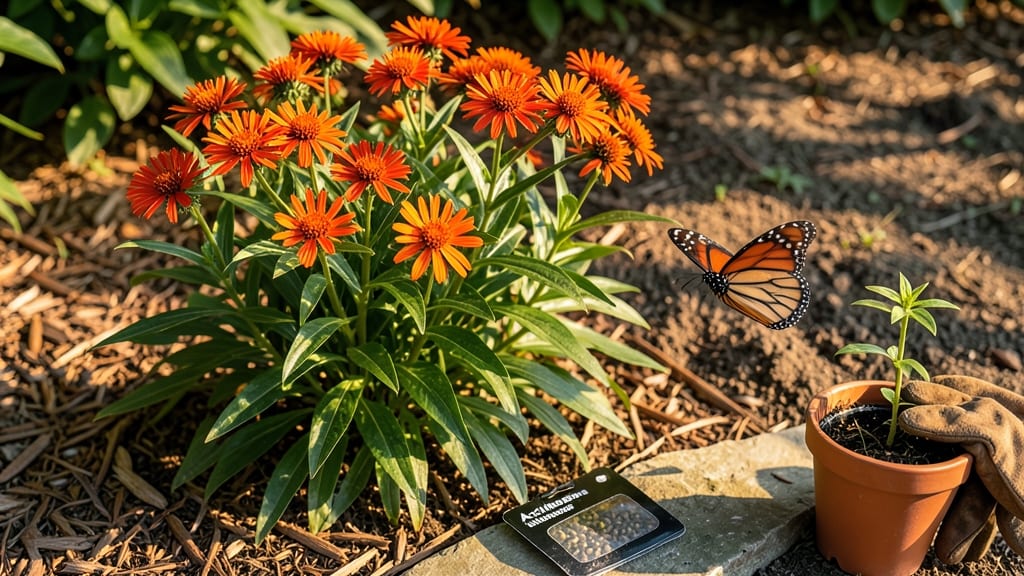
Growing milkweed for monarch butterflies starts with the right plant—Asclepias species like common milkweed or butterfly weed. 🌱 I planted mine last spring, and within weeks, we had caterpillars munching away before transforming into vibrant orange butterflies.
The key is choosing native varieties that thrive in your climate and provide the essential host plant monarchs need to survive.
You’ll need well-draining soil and a sunny spot with at least 6 hours of direct sunlight daily. Milkweed tolerates poor soil but grows best in slightly sandy or loamy conditions. Start seeds indoors 8-10 weeks before your last frost or plant nursery-grown seedlings in early spring.
Water deeply after planting, then let the soil dry slightly between waterings—overwatering is the fastest way to kill these hardy plants.
Once established, milkweed needs minimal care beyond occasional pruning to remove spent flower stalks and encourage new growth. The real reward comes when monarchs discover your garden: eggs laid on the leaves, caterpillars feasting, and eventually, butterflies emerging to continue the cycle.
It’s a front-row seat to nature’s most magical transformation.
For best results, plant in clusters—monarchs are drawn to dense patches of milkweed. Avoid pesticides, as they harm both caterpillars and adult butterflies. If you’re in a cooler climate, butterfly weed (Asclepias tuberosa) is a great choice, while common milkweed (Asclepias syriaca) thrives in warmer regions.
Start small, and you’ll soon have a thriving monarch haven.
📚 In This Guide
- What you need
- Instructions
- Tips and common mistakes
- Wrapping up and next steps
What you need
- ● Milkweed seeds: Choose native species like Asclepias tuberosa (butterfly weed) or Asclepias syriaca (common milkweed). Buy 50–100 seeds (or more for larger gardens).
- ● High-quality potting mix: A 10–20 lb bag of organic, well-draining soil (or seed-starting mix for germination).
- ● Containers or seed trays: Small pots (3–4 inches deep) for seedlings (10–20 units).
- ● OR a seed tray with individual cells (for easier transplanting).
- ○ Grow lights or sunny windowsill: A 12–16 inch LED grow light (optional but helpful for indoor starts).
- ● Watering can or spray bottle: A 1–2 gallon can with a gentle spray nozzle (to avoid disturbing seeds).
- ○ Fertilizer (optional): A balanced, low-nitrogen fertilizer (e.g., 5-5-5) for transplanting.
- ● Gloves: Heavy-duty gardening gloves (milkweed sap can irritate skin!).
- ● Trowel or small shovel: For transplanting seedlings into the garden.
- ● Pruners or scissors: To snip dead leaves or harvest seeds later.
- ○ Mulch (optional): Organic mulch (e.g., straw or shredded leaves) to retain moisture and suppress weeds.
- ○ Stakes or cages (optional): For tall milkweed varieties (e.g., Asclepias incarnata) to support growth.
- ● Sunlight: A full-sun location (6+ hours of direct sunlight daily) for outdoor planting.
- ● Space: Milkweed needs 1–3 feet of space per plant (depending on species).
- ● Patience: Germination can take 1–3 weeks—stay consistent with care!
- ● Local knowledge: Check if your state has native milkweed regulations (some are invasive outside their region).
Step-by-step instructions for growing milkweed for monarch butterflies
Here's the straightforward approach I use to create a thriving monarch habitat—no complicated steps, just what works.
🌱 Step 1: Select and Prepare the Right Milkweed Variety
Choose native milkweed species like Asclepias tuberosa (butterfly weed) or Asclepias syriaca (common milkweed) for your region. Avoid tropical varieties—they won’t support monarchs. I always check the USDA Plant Hardiness Zone map to pick cold-hardy species for my area.
Collect seeds from local sources in late summer when seed pods turn brown and papery. Let them dry completely before storing in a cool, dark place. If you’re buying seeds, opt for untreated, organic seed packets to ensure monarch safety—some commercial treatments can harm caterpillars.
🌿 Step 2: Plant Seeds at the Right Time and Depth
Sow seeds outdoors in early spring after the last frost when soil temperatures reach 60°F. Scatter seeds lightly on bare soil—no need to cover them. Milkweed seeds need light to germinate, so pressing them just below the surface is enough. I mark the area with small stakes to avoid disturbing it while seeds sprout.
Keep the soil consistently moist but not soggy for the first 2-3 weeks. You’ll see seedlings emerge in 10-14 days—they’ll look like tiny, rounded leaves. Once they reach 3-4 inches tall, thin them to 12-18 inches apart to give roots room to spread. This prevents overcrowding and ensures strong, healthy plants.
☀️ Step 3: Provide Sun and Care for a Monarch-Friendly Haven
Milkweed thrives in full sun (6+ hours daily) and well-draining soil. If your soil is heavy clay, mix in 2-3 inches of compost before planting to improve drainage. I avoid fertilizers—milkweed grows best in lean, natural soil. Over-fertilizing produces lush foliage that attracts pests but weakens monarch support.
Water deeply once a week during dry spells, letting the soil dry slightly between waterings. You’ll know it’s time when the top 1-2 inches of soil feel dry to the touch. In late summer, you’ll see milkweed’s signature orange or green flowers—this is when monarchs will visit. Leave some seed pods on the plants to provide food for migrating butterflies later in the season.
✂️ Step 4: Maintain and Monitor for Monarchs
Cut back dead foliage in early spring to encourage new growth, but leave some stems standing. Monarchs lay eggs on milkweed stems, and fresh growth attracts them. I inspect plants weekly for eggs (tiny white ovals) or caterpillars (black with yellow stripes). If you find caterpillars, avoid pesticides—let them feed until they pupate.
By mid-summer, you’ll likely see monarchs nectaring on flowers or laying eggs. If you notice wilting or yellowing leaves, it’s often due to aphids—spray with soapy water if needed, but prioritize monarch safety. A thriving milkweed patch becomes a magnet for butterflies, turning your garden into a vital stopover on their migration route.
Tips & tricks for perfect monarch habitat planting
Here's what I've learned from years of nurturing thriving monarch gardens—simple secrets that make all the difference.
Native Species Selection: When choosing between Asclepias tuberosa and Asclepias syriaca, consider your local climate. The tuberosa variety thrives in drier conditions and has stunning orange blooms, while syriaca prefers moister soil and produces more seed pods. I always cross-reference with my local extension office to confirm which species monarchs prefer in my region.
Seed Collection Timing: The critical window for harvesting seed pods is when they turn completely brown and begin splitting open—this typically occurs in late summer. I mark my calendar for late August to early September in my zone. If you miss this window, store-bought seeds work fine, but local collection ensures genetic compatibility with your monarch population.
Germination Environment: Milkweed seeds need that 60°F soil temperature to germinate, but they also require patience. After sowing, I use a small garden flag to mark planting spots and create a mini greenhouse effect by covering seeds with clear plastic wrap for the first week. This helps maintain moisture while waiting for those 10-14 days until sprouts appear.
Pest Management Strategy: When aphids appear (which they inevitably will), I've found that a 1:10 ratio of mild dish soap to water spray works wonders without harming monarchs. Apply in the early morning when butterflies aren't active, and always prioritize leaving some leaves for caterpillars to feed on. The key is balance—never eliminate all foliage.
Pro Tips for Grow Milkweed For Monarch Butterflies
- Here's what I've learned from years of nurturing thriving monarch gardens—simple secrets that make all the difference.
- Native Species Selection: When choosing between Asclepias tuberosa and Asclepias syriaca, consider your local climate...
- Seed Collection Timing: The critical window for harvesting seed pods is when they turn completely brown and begin spl...
Frequently asked questions
Got questions about growing milkweed for monarchs? You’re not alone—here are answers to the most common ones!
What’s the best type of milkweed for monarchs?
Native milkweeds like Asclepias tuberosa (butterfly weed) or Asclepias syriaca (common milkweed) are top choices. Avoid tropical varieties (e.g., Asclepias curassavica), which don’t support monarchs as well. Always pick species native to your region for the best results!
When is the best time to plant milkweed?
Spring or early fall is ideal! Plant seeds in late spring after the last frost, or sow them in fall for natural stratification. If starting from transplants, spring ensures they establish roots before summer heat. Pro tip: Monarchs need milkweed now—don’t wait!
Will deer or rabbits eat my milkweed?
Yes! Deer and rabbits often munch on milkweed. Use physical barriers (like chicken wire) or repellents (e.g., hot pepper spray) for young plants. Native milkweeds are tougher once established—just give them a fighting chance!
Can I grow milkweed in containers?
Small varieties like Asclepias incarnata (swamp milkweed) thrive in pots (12"+ deep). Use well-draining soil and place containers in full sun. Just ensure the pot stays moist—monarch caterpillars love tender leaves!
What do I do if my milkweed gets aphids?
Aphids are common but harmless to monarchs! Blast them off with water or introduce ladybugs (natural predators). Avoid pesticides—monarchs need chemical-free milkweed. Healthy plants usually bounce back quickly!
Wrapping up and next steps
Growing milkweed for monarch butterflies is a rewarding way to support these beautiful pollinators while creating a thriving garden ecosystem! 🌿 By following these simple steps—choosing the right species, preparing the soil, and providing consistent care—you’ll soon have a lush haven that attracts generations of monarchs.
Your efforts make a real difference, so don’t wait: plant a patch today and watch your garden transform into a butterfly hotspot!
Next step: Share your progress with local conservation groups or fellow gardeners—your milkweed could inspire others to join the movement! 🦋