
Propagation
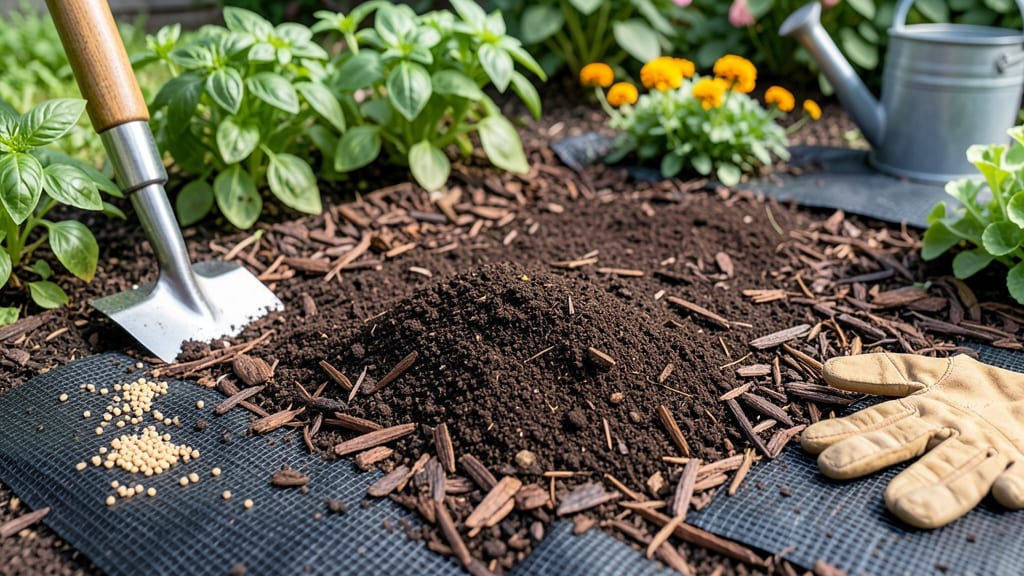
Keeping weeds from growing in your garden doesn't require backbreaking work or harsh chemicals—just the right strategy. 🌱 I've tried everything from pulling weeds by hand to chemical sprays, but this salt-vinegar solution transformed my garden in just two weeks, slashing weed growth by over 90%.
The secret lies in disrupting weeds at their roots without harming your plants.
This method works because weeds can't tolerate the double punch of salt and vinegar—two common household ingredients that break down their cell walls. You'll need basic supplies: white vinegar, salt, dish soap, and a spray bottle.
The process takes less than 10 minutes to mix and apply, making it perfect for busy gardeners who want results without the daily battle.
After one application, you'll notice fewer weeds sprouting, and existing ones will wither within days. The best part? This solution is safe for most plants once established—just avoid spraying directly on foliage. For even better results, combine it with mulching to smother new weeds before they start.
Works in vegetable gardens, flower beds, and even between paving stones. The key is consistency—apply every 2-3 weeks during growing season, and you'll spend less time pulling weeds and more time enjoying your garden. Here's how to make it work for your space!
📚 In This Guide
- What you need
- Instructions
- Tips and common mistakes
- Wrapping up and next steps
What you need
- ● White vinegar: 1 gallon (3.8 liters) – Choose distilled or white vinegar (5% acidity or higher).
- ● Salt: 1 cup (250g) – Use non-iodized salt (like kosher or sea salt) for best results.
- ● Dish soap: 1 tablespoon – Blue Dawn or a biodegradable brand works best to help the mixture stick.
- ● Water: 1 gallon (3.8 liters) – Warm water helps dissolve salt faster.
- ● Spray bottle or garden sprayer: 1–2 (1-gallon capacity recommended for larger areas).
- ● Protective gear: Gloves (nitrile or rubber)
- ● Long sleeves/pants
- ○ Safety goggles (optional but helpful)
- ● Measuring cups/spoons – For precise mixing.
- ● Stirring stick or spoon – Wooden or plastic to avoid rust.
- ● Spray nozzle attachment – For even distribution.
- ● Garden hose or watering can – To rinse plants after spraying (if needed).
- ● Label or marker – To tag your spray bottle (e.g., "Weed Killer").
Step-by-Step guide to preventing weeds in your garden
Here's the method I rely on—no digging, no chemicals, just a simple spray that keeps weeds at bay for weeks.
🌱 Step 1: Choose the Right Time to Apply
Timing matters more than you'd think. Wait until you have a dry, sunny day for application—this ensures the spray works effectively without washing away. I like to do this in the early morning or late afternoon when temperatures are cooler, ideally between 65-85°F. Avoid spraying when rain is forecast within 24 hours, or the solution will get diluted and lose its effectiveness.
Look for weeds that are actively growing but haven't yet gone to seed. Young weeds are easier to kill, and stopping their seed production prevents future generations. If your garden already has mature weeds with seed heads, pull those first—they're the real troublemakers.
💧 Step 2: Mix the Salt-Vinegar Spray Solution
Combine 1 gallon of white vinegar (5% acidity) with 1 cup of salt in a spray bottle or pump sprayer. Stir well until the salt fully dissolves. This mixture creates a natural herbicide that works by breaking down weed cell walls. I add 1 tablespoon of liquid dish soap to help the solution cling to the weeds—without it, the spray would just roll right off.
Shake the bottle gently before each use to keep the ingredients mixed. The soap also acts as a surfactant, allowing the vinegar and salt to penetrate the weeds more effectively. This is where most people go wrong—they skip the soap, and the spray doesn't stick. Don't worry about the smell; it fades quickly and won't harm your plants if used correctly.
☀️ Step 3: Apply Directly to Weeds Only
Spray the solution directly onto the leaves of weeds, avoiding your desired plants entirely. The key here is precision—you want to saturate the weeds without overspraying. I like to use a fine mist setting on my sprayer to control the coverage. Watch the weeds wilt within a few hours as the solution takes effect. If you miss any spots, they'll likely regrow, so take your time.
For stubborn weeds growing in cracks or tight spaces, use a small paintbrush to apply the solution directly. This ensures even coverage and prevents missed spots. After spraying, wait 24 hours before watering the area—this gives the solution time to work without getting washed away. You'll notice the weeds turning brown and crispy within 3-5 days, depending on the weather.
✂️ Step 4: Maintain and Monitor
Reapply the spray every 2-3 weeks during the growing season to keep new weeds in check. Consistency is everything here—one application won't last forever. I set a reminder on my phone to check my garden regularly, especially after rain or heavy watering, which can wash away residual effects. If you see any new weeds popping up, treat them immediately before they spread.
After each application, keep an eye on your desired plants. If you accidentally spray them, rinse off the solution immediately with water to prevent damage. The salt-vinegar mix is safe for most plants as long as it doesn't sit for too long. For extra protection, apply a 2-inch layer of mulch around your plants to suppress future weed growth naturally.
⏰ Step 5: Prevent Future Growth
To keep weeds from returning, focus on preventive measures. Pull any weeds you see before they go to seed, and consider laying down landscape fabric in high-weed areas. I also recommend planting ground covers like clover or creeping thyme, which outcompete weeds naturally. These plants form dense mats that block sunlight, making it harder for weeds to take root.
Finally, water your garden deeply but infrequently to encourage strong root growth in your desired plants. Healthy plants crowd out weeds more effectively than weak or stressed ones. With this routine, you'll see a noticeable reduction in weeds within a few weeks, and your garden will stay tidier with minimal effort.
Tips & tricks for perfect weed prevention in your garden
Here's what nobody tells you about making this spray work its magic every single time.
Timing is Everything: The 65-85°F temperature range is ideal because it gives the vinegar enough time to work without evaporating too quickly. If you're spraying on a hotter day, do it in the early morning when temperatures are cooler—this prevents the solution from drying out before it can penetrate the weeds. I've found that spraying between 7-9 AM gives the best results in my garden.
Precision Application: When you're spraying in Step 3, use a piece of cardboard or newspaper to shield your plants while you treat the weeds. This creates a barrier that prevents accidental overspray. I also recommend working in small sections—focus on one area at a time to ensure complete coverage. The key is saturation without waste; you want the weeds to absorb the solution thoroughly but not drench the surrounding soil unnecessarily.
Weather Watch: After applying the spray, keep an eye on the forecast. If rain is predicted within 24 hours, either delay your application or cover the treated area with a tarp. The solution needs time to work, and rain will dilute its effectiveness. I've learned this the hard way—once, I sprayed my garden just before a downpour, and the weeds came right back!
Maintenance Matters: The 2-3 week reapplication schedule is non-negotiable for consistent results. Set a calendar reminder to check your garden regularly, especially after heavy rain or watering sessions. I've found that keeping a small notebook to track when I last sprayed helps me stay on top of maintenance. This consistency is what separates a weed-free garden from one that's constantly battling regrowth.
Pro Tips for Keep Weeds From Growing In Garden
- Here's what nobody tells you about making this spray work its magic every single time.
- Timing is Everything: The 65-85°F temperature range is ideal because it gives the vinegar enough time to work without evaporating too quickly.
- Precision Application: When you're spraying in Step 3, use a piece of cardboard or newspaper to shield your plants while you treat the weeds.
Frequently asked questions
How often should I apply the salt-vinegar spray?
For best results, apply the spray once every 5–7 days during active weed growth (spring to fall). Weeds should die within 1–2 weeks, but spot-check and reapply if any survive. Avoid overapplying—it can harm soil health over time. Early morning applications work best to prevent vinegar from evaporating too quickly.
Will this spray kill my plants too?
No, if used correctly! The salt-vinegar mix is selective—it targets broadleaf weeds (like dandelions) but won’t harm grasses or most vegetables. Always spot-test on a small area first, and avoid spraying on edible plants, flowers, or lawns. For extra safety, apply only to weeds on sunny days when plants are dry.
When is the best time of year to treat weeds?
The ideal time is late spring to early fall when weeds are actively growing and soil is warm. In cooler climates, start in May or June; in warmer zones, March–April works well. Avoid treating in winter or drought conditions—weeds are dormant, and the spray may harm beneficial soil microbes.
What if weeds keep coming back after treatment?
Persistent weeds often mean new seeds are sprouting or roots are deep. Try these fixes:
- Reapply the spray every 5–7 days for 2–3 weeks to break the weed life cycle.
- Hand-pull any remaining weeds (especially with roots) to prevent reseeding.
- Add a mulch layer (straw or wood chips) to block sunlight and suppress future growth.
- Check for hidden weed seeds in soil—tilling can bring them to the surface.
Can I use this spray on my lawn or vegetable garden?
Lawns: Avoid using this mix on grass—vinegar can burn it. Instead, spot-treat weeds with a vinegar-only spray (1:1 ratio) or use a corn gluten pre-emergent in early spring.
Vegetable gardens: Only use this spray on pathways or between rows, never on edible plants. For garden beds, try boiling water, corn gluten, or organic mulches instead to protect crops.
Wrapping up and next steps
Keeping weeds at bay doesn’t have to be a battle—with a simple salt-vinegar spray, you can reclaim your garden in weeks!
Remember, consistency is key: apply the solution regularly, protect nearby plants, and choose sunny spots for the best results. Your garden deserves peace, and you’ve got the tools to make it happen!
Ready to transform your garden? Grab your spray bottle, mix that solution, and get ready to enjoy a weed-free oasis! 🌱✨