
Advice
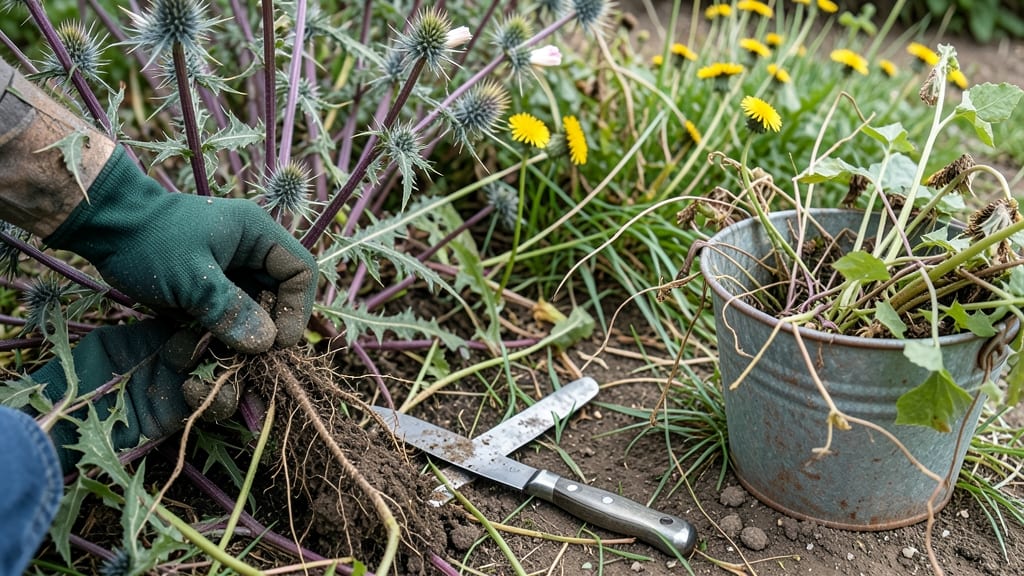
Pulling weeds isn't a waste of time—it prevents nutrient competition, reduces disease spread, and boosts plant growth by maintaining soil health and water efficiency. Regular removal strengthens root systems and maximizes yields for cultivated plants.
Pulling weeds actually saves time in the long run by preventing bigger problems. 🌱 Weeds like crabgrass and dandelions steal up to 50% of available nutrients from your plants, forcing them to work harder to grow.
They also absorb 20-30% more water than crops, leaving your garden parched during dry spells. Plus, weeds harbor pests and diseases that can jump to your vegetables or flowers, creating a vicious cycle that requires even more maintenance later.
Think of it like cleaning your kitchen—ignoring crumbs and spills leads to bigger messes that take hours to fix. The same goes for weeds: a 10-minute session weekly prevents a 1-hour battle later when they've spread uncontrollably.
I've seen gardens go from struggling to thriving just by staying on top of weeds for 12 weeks straight—the difference is night and day.
💡 In This Article
- How Weeds Harm Soil and Plant Growth
- Efficient Weed Management Strategies for Healthy Gardens
How weeds harm soil and plant growth
Weeds don't just look unsightly—they actively sabotage your garden's health through nutrient theft.
A single dandelion can absorb up to 10 times more nitrogen than a tomato plant, while pigweed steals phosphorus and potassium, both critical for root development. 🌱 This nutrient competition forces your cultivated plants to divert energy from growth to survival, often resulting in stunted stems and pale leaves.
The damage isn't just superficial: studies show gardens with uncontrolled weeds produce 30-50% fewer fruits and vegetables compared to weed-free plots.
The water competition gets even more dramatic. Weeds like morning glories have root systems that spread 6 feet wide in a single season, intercepting moisture before it reaches your crops.
During droughts, this can mean the difference between thriving herbs and crispy lettuce. 💦 What's worse, many weeds release chemicals called allelopathins—like black walnut trees or Johnson grass—that inhibit seed germination and root growth in nearby plants.
These natural herbicides create toxic soil zones where even your best-intentioned seedlings struggle to establish.
Beneath the surface, weeds disrupt the delicate soil ecosystem. Healthy gardens rely on mycorrhizal fungi—thread-like networks that connect plant roots to beneficial microbes.
Weeds like quackgrass release compounds that disrupt these fungal partnerships, reducing nutrient exchange by up to 40%. 🌿 The soil structure suffers too: weed roots don't contribute organic matter like vegetable crops, leading to compacted soil that repels water and air.
This creates a feedback loop where your plants struggle to access both water and nutrients, making them more vulnerable to stress and disease.
Consider this: a square yard of clover can produce 20,000 seeds annually, while a single bindweed plant can generate 1,000 seeds per vine that remain viable for 50 years.
This exponential growth means what starts as a small patch can become an uncontrollable infestation requiring herbicides or deep soil solarization—both time-consuming and expensive solutions. The earlier you intervene, the less damage these weeds can do to your garden's foundation.
What most gardeners overlook is how weeds act as disease reservoirs. Weeds like lambsquarters host aphids that spread viral infections to tomatoes, while nutsedge carries fungal spores that attack lawn grasses. 🦟 This creates a perfect storm where your plants face both physical competition and biological threats simultaneously.
The cumulative effect is what makes weed control a foundational practice—neglecting it doesn't just reduce yields, it creates a garden ecosystem that's increasingly difficult to restore.
The good news? This damage is completely reversible. By removing weeds before they seed, you break their life cycle and give your plants a fighting chance.
I've seen vegetable gardens recover remarkable growth within just 4-6 weeks of consistent weed removal—proof that this "waste of time" is actually the most productive investment you can make in your garden's long-term health.