
Tools
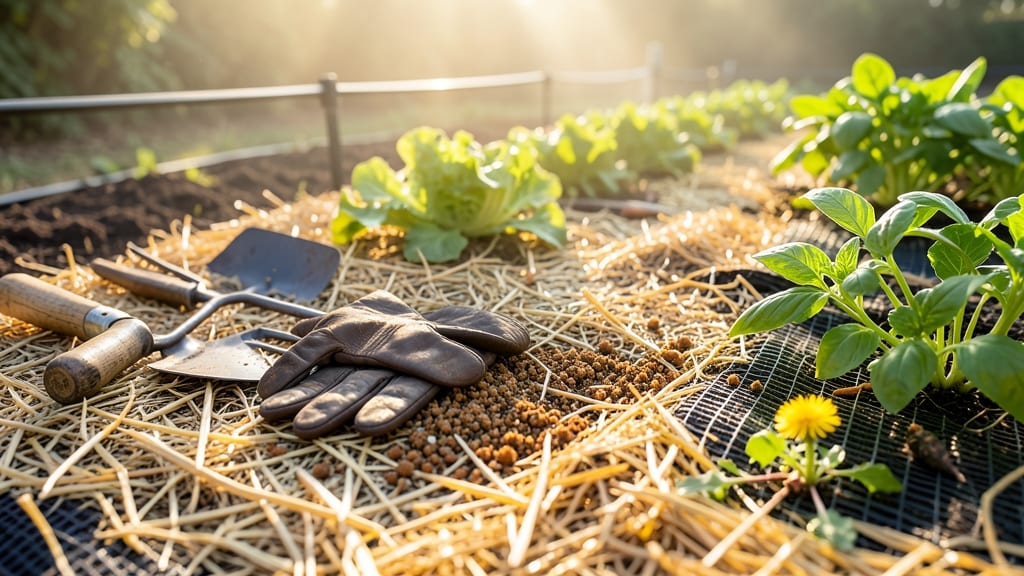
How to prevent weeds in garden—turn your garden into a sanctuary instead of a battleground. 🌱 The good news? You can stop them before they start with simple, no-dig strategies that work better than pulling weeds after they’ve taken over. My front yard used to be a weed magnet until I discovered these long-term barriers—now I spend 10 minutes a month on maintenance instead of hours of backbreaking work.
Most solutions focus on chemicals or constant pulling, but the real secret is blocking sunlight and smothering seeds before they germinate. A thick layer of mulch (straw, wood chips, or even cardboard) suffocates weed seeds while feeding your plants.
For high-traffic areas, landscape fabric paired with mulch creates a permanent weed barrier that lasts years. Even better? These methods improve soil health over time, so your garden thrives without the competition.
You’ll see results within 2-4 weeks—fewer sprouts, cleaner beds, and plants that grow stronger because they’re not fighting for nutrients. The best part? These techniques work for vegetable gardens, flower beds, and even lawn edges, so you can tailor them to your space.
No more losing battles with crabgrass or dandelions—just a garden that stays lush and low-maintenance.
Ready to reclaim your garden? The key is consistency—once you establish these barriers, weeds stand no chance. And if you’re worried about digging or disrupting your soil, don’t be: these solutions protect your plants and your back. Let’s get started with the tools and steps that actually work.
📚 In This Guide
- What you need
- Instructions
- Tips and common mistakes
- Wrapping up and next steps
What you need
- ● Landscape Fabric: 3–4 ft wide rolls (choose perforated or woven for breathability; avoid plastic-based fabrics). Quantity: Enough to cover your garden bed + 12" overlap on edges.
- ● Mulch: Organic: Wood chips (3–4 inches thick), straw, or shredded bark (1–2 bags per 10 sq ft).
- ● Inorganic: Gravel (½–1 inch pebbles, 2–3 bags per 10 sq ft) or landscape rocks (1–2 tons for large areas).
- ● Cardboard or Newspaper: 1–2 sheets per 10 sq ft (for smothering weeds before fabric/mulch).
- ● Heavy-Duty Staple Gun + Staples: Or landscape fabric staples (50–100 staples per roll).
- ● Shovel or Spade: For cutting fabric and smoothing edges.
- ● Rake: To level soil and spread mulch evenly.
- ● Measuring Tape: To mark fabric dimensions accurately.
- ● Scissors or Utility Knife: For trimming fabric to size.
- ● Edging Material: Plastic, metal, or stone edging (to keep mulch in place).
- ● Compost or Topsoil: If you’re adding a thin layer over fabric for planting.
- ● Vinegar or Natural Herbicide: (1 gallon white vinegar + 1 oz dish soap) for spot-treating stubborn weeds before installing barriers.
- ● Garden Twine or Rope: To secure fabric edges temporarily.
- ● Knee Pads or Work Gloves: Because comfort = consistency! 😉
Step-by-Step guide to creating a weed-free garden without digging
Here’s how I keep my garden weed-free year after year—no backbreaking digging required.
🌱 Step 1: Layer Organic Mulch Deeply Over Soil
Spread a 4-inch thick layer of organic mulch—like shredded leaves, wood chips, or straw—directly over the soil surface. This blocks sunlight, which weeds need to germinate. I use 6-8 bags of mulch per 100 square feet to ensure full coverage, especially around plants and garden beds.
Don’t skimp on thickness—less than 3 inches leaves gaps where weeds can still sprout. Work the mulch gently into any existing weeds by hand (no digging!) to smother them before they seed. This is the single most effective step, and it improves soil health over time as the mulch breaks down.
☀️ Step 2: Install Landscape Fabric for High-Weed-Areas
In spots where weeds are relentless—like along fences or driveways—lay landscape fabric before adding mulch. Cut it to fit snugly, overlapping edges by 6 inches to prevent gaps. Secure it with U-shaped landscape staples or heavy rocks to keep it in place.
This isn’t a permanent fix, but it buys you 2-3 years of weed suppression with minimal effort. Just refresh the mulch layer annually. Avoid cheap plastic sheets—they don’t break down and can trap moisture, harming plants.
🪴 Step 3: Plant Dense Ground Covers Strategically
Fill empty spaces with fast-spreading ground covers like clover, creeping thyme, or ajuga. These plants shade the soil and outcompete weeds naturally. I plant them in 6-inch spacing to ensure they fill in quickly, and they’ll eventually form a living weed barrier.
For borders, try periwinkle or pachysandra—they’re tough, low-maintenance, and suppress weeds better than mulch alone. These plants also add beauty while doing the hard work for you.
✂️ Step 4: Maintain with Regular Mulch Top-Ups
Check mulch levels every 4-6 weeks and replenish to 3-4 inches as it decomposes. This keeps the soil covered and weeds at bay. I use a rake to fluff existing mulch before adding fresh layers, which prevents compaction and improves drainage.
When you do spot a weed, pull it by the roots (no digging!) while the soil is moist. A quick hand-weeding session every few weeks keeps things manageable. Over time, your garden will require far less intervention—just occasional top-ups and strategic planting.
⏰ Step 5: Plan for Seasonal Weed Prevention
In early spring, apply a pre-emergent herbicide (like corn gluten meal) to bare soil before weeds sprout. It’s organic, breaks down safely, and prevents germination without harming established plants. In fall, add a fresh layer of mulch before winter rains wash it away.
For containers, use gravel or decorative stones instead of soil—weeds can’t grow without a seedbed. This is especially useful for patios or raised beds where mulch isn’t practical. With these steps, you’ll spend less time weeding and more time enjoying your garden.
Tips & tricks for a weed-free garden without digging
Took me years to perfect these strategies—here’s how to make your weed prevention system even more effective without lifting a shovel.
Mulch Thickness Matters: In Step 1, that 4-inch layer isn’t just a recommendation—it’s your first line of defense. I learned this the hard way after weeds sprouted through 2-inch layers. For extra protection in high-weed areas, consider doubling the mulch thickness to 6 inches during peak growing seasons. The deeper the mulch, the longer it suppresses weeds and retains moisture.
Fabric Installation Secrets: When installing landscape fabric in Step 2, cut it larger than needed and fold the excess underneath the edges. This creates a seamless barrier that weeds can’t penetrate. I also recommend using a staple gun with heavy-duty staples to secure the fabric—regular staples can pull out over time, especially in windy conditions.
Ground Cover Placement: For Step 3, plant your ground covers in a staggered pattern rather than a grid. This creates a denser, more effective living barrier that fills gaps faster. Start with 6-inch spacing, but thin to 4 inches between plants once they’ve established for 2-3 months. The closer they grow, the faster they’ll outcompete weeds.
Seasonal Timing: In Step 5, timing your pre-emergent herbicide application is everything. Apply it in early spring when soil temperatures reach 50°F—this is when most weed seeds germinate. For fall applications, wait until after your first frost when weeds have stopped growing but seeds are still dormant. This two-season approach gives you year-round protection.
Pro Tips for Prevent Weeds In Garden
- Took me years to perfect these strategies—here’s how to make your weed prevention system even more effective without ...
- Mulch Thickness Matters: In Step 1, that 4-inch layer isn’t just a recommendation—it’s your first line of defense. I ...
- Fabric Installation Secrets: When installing landscape fabric in Step 2, cut it larger than needed and fold the exces...
Frequently asked questions
Got questions about keeping weeds at bay without the backbreaking work?
Here are some of the most common concerns—and practical answers—to help you maintain a tidy, thriving garden with minimal effort.
What’s the best natural weed barrier for long-term use?
For lasting results, opt for landscape fabric (30–45 lb test weight) combined with mulch (wood chips, straw, or gravel). This combo blocks sunlight while suppressing weeds for years. Avoid cheap plastic sheets—they degrade quickly and can harm soil health.
How often should I check or replace my weed barrier?
Inspect barriers 2–3 times a year, especially after heavy rain or wind. Replace fabric if it tears or decomposes (usually every 3–5 years). Mulch may need refreshing annually, but fabric itself lasts much longer with proper installation.
Are expensive weed barriers worth the cost?
Not always! Mid-range landscape fabric ($1–$3 per sq. ft.) offers the best balance of durability and affordability. Skip high-end "premium" options unless you’re dealing with aggressive weeds like nutgrass—then, invest in thicker, UV-stabilized fabric.
Can I use cardboard or newspaper as a weed barrier?
Yes, but it’s a short-term fix (1–2 seasons max). Bury cardboard/newspaper completely under 2–3 inches of mulch to prevent decomposition. For long-term use, upgrade to fabric—it won’t break down and won’t attract pests like buried paper can.
What if weeds keep popping up through the barrier?
First, check for gaps or tears in the fabric. If the barrier is intact, weeds may be sprouting from seeds already in the soil. Add a pre-emergent herbicide (like corn gluten meal) before mulching, or top with 6+ inches of mulch to smother new growth.
Does mulch alone stop weeds, or do I need a fabric barrier?
Mulch helps, but it’s not foolproof—especially in high-weed areas. Fabric creates a physical barrier while mulch suppresses growth. For low-maintenance gardens, combine both: fabric under mulch for 90% fewer weeds with zero digging.
Wrapping up and next steps
Keeping weeds at bay in your garden doesn’t have to mean endless digging or harsh chemicals—smart barriers and long-term strategies work wonders! 🌱 From mulching and landscape fabric to natural weed blockers, these methods save time and keep your garden thriving.
Start small, experiment with what works best for your space, and soon you’ll enjoy a low-maintenance, weed-free oasis.
Ready to take action? Pick one solution from this guide and implement it this weekend—your future self (and your plants!) will thank you. Happy gardening! 🌿✨