
Shrubs
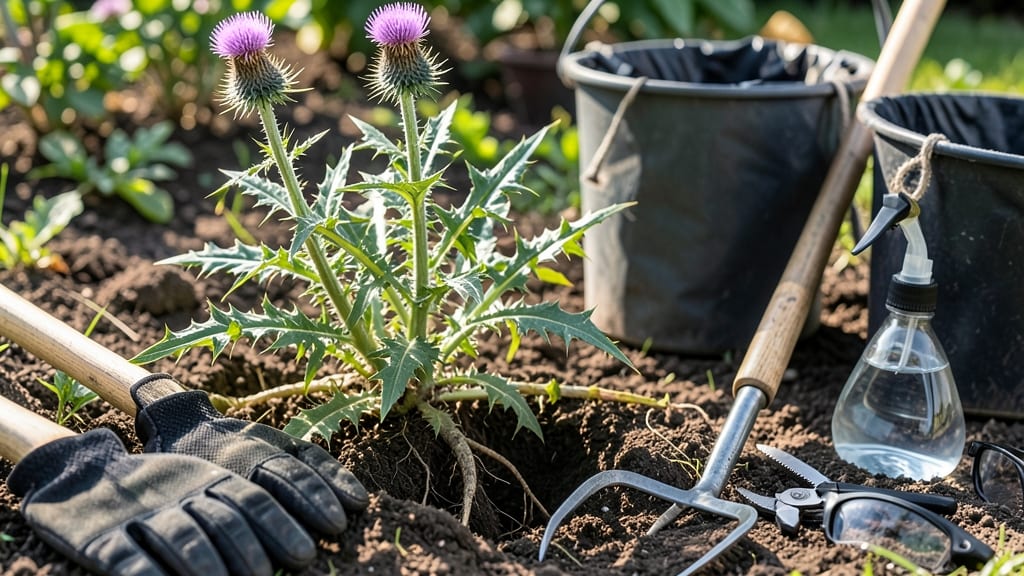
How to remove thistle weeds from your garden feels like banishing tiny porcupines—spiky, stubborn, and impossible to ignore. 🌿 I’ve wrestled with them for years, and the twist-and-pull tool changed everything by making removal faster and safer than digging. No more gloves full of thorns or missed roots that sprout back stronger.
The secret lies in the right timing and technique: pull when the soil is moist but not soggy, and use the tool’s prongs to grip the base without breaking off the taproot. Most gardeners overlook this step, but it’s the difference between a clean bed and a repeat infestation.
You’ll need just a few supplies—a twist tool, gloves, and a trash bag—and you’ll be thistle-free in under an hour.
What you’ll end up with is a garden bed free of those jagged stems, no more wrestling with the roots, and a method that actually works. The twist tool lets you extract the whole plant, including the taproot, so regrowth is nearly impossible.
Plus, your hands stay thorn-free, and the process feels almost satisfying.
This method works year-round, but early spring or fall gives you the best results when thistles are young and the soil is workable. For large patches, tackle them in sections to avoid exhaustion. The key is patience—don’t rush, and you’ll see those weeds vanish for good.
📚 In This Guide
- What you need
- Instructions
- Tips and common mistakes
- Wrapping up and next steps
What you need
- ● Twist-and-Pull Thistle Tool (1): Sturdy, ergonomic handle for leverage (e.g., blank">Fiskars X27 or similar). Sharp, spiked metal fork (3–4 tines, 6–8 inches long) for gripping roots.
- ● Heavy-Duty Gloves (1 pair): Thick, cut-resistant (e.g., blank">Mechanix Wear or Tough Outdoorsman). Extend past wrists to protect arms from spines.
- ● Long-Sleeve Clothing (1 set): Tight-weave fabric (e.g., denim or thick cotton) to block thistle spines.
- ● Pruners or Loppers (1 pair): Bypass blades (8–10 inches) for cutting stubborn stalks if needed.
- ● Trash Bags (2–3): Heavy-duty (30–50 gallon) for disposing of thistle debris.
- ○ Garden Hose or Water Spray Bottle (1): For dampening dry thistles before extraction (optional but helpful).
- ● Root Digging Fork (1): For deep-rooted thistles that resist the twist tool.
- ● Vinegar Spray (1 gallon): 20% vinegar + 1 tbsp dish soap to kill regrowth post-removal.
- ● Knee Pads (1 pair): Comfort for long sessions on hard ground.
- ● Safety Goggles (1 pair): Protect eyes from debris or accidental snags.
Step-by-Step instructions for removing thistle weeds
Here's how I tackle thistles without a shovel—just a simple tool and the right technique.
🪴 Step 1: Gather Your Tools and Safety Gear
You’ll need thick gardening gloves (thistle spines pierce through thin fabric), a sturdy twist-and-pull tool (like a dandelion digger or even a long screwdriver), and a heavy-duty trash bag. I also grab a bucket of soapy water—thistles release irritating sap when crushed, so this neutralizes it.
Work on a dry day when the soil is firm but not hard. Wet soil clings to roots, making extraction harder. If you’re in an area with other weeds, lay down a tarp first to collect debris—thistles spread seeds aggressively, and you don’t want to accidentally scatter them.
✂️ Step 2: Cut the Thistle at the Base
Use pruning shears or a sharp knife to slice the thistle stem about 1 inch above the soil line. This prevents the plant from releasing more seeds when you pull it. Be careful—the spines are sharp, so angle the blade away from your body and wear those gloves.
If the thistle is tall (over 2 feet), cut it into 12-inch sections for easier handling. Drop the cut pieces directly into the trash bag—never compost them. Even dead thistles produce seeds if left in the garden.
💧 Step 3: Loosen the Root with the Twist-and-Pull Tool
Insert the twist-and-pull tool 1-2 inches from the cut stem, then twist it gently while pushing downward. The goal is to break the root’s grip on the soil without digging. You’ll feel resistance as the tool cuts through lateral roots—keep twisting until the plant wobbles.
For stubborn thistles, wiggle the tool side to side to loosen the soil around the root ball. If the tool slips, try a different angle. The deeper the root, the more patience you’ll need—some thistles have taproots 18 inches long. Pull upward firmly once the soil is loose.
🌱 Step 4: Remove the Entire Root System
Grasp the thistle at the base and pull straight up. If the root breaks off, dig out the remaining piece with your fingers or the tool—even a 1-inch fragment can regrow. Check the soil for broken root sections and remove them immediately.
Inspect the hole for any remaining rootlets. Thistles regrow from tiny pieces, so thoroughness here saves you weeks of repeat work. Once the area is clear, soak the hole with soapy water to kill any hidden roots.
☀️ Step 5: Prevent Regrowth and Monitor the Area
After removal, apply 2-3 inches of mulch (like wood chips or cardboard) to the bare spot. This blocks sunlight and discourages new thistles from sprouting. Water the area lightly to help the mulch settle.
Check the same spot weekly for 3 months—new thistles often pop up from missed roots or seeds. If you spot a tiny rosette (the low, leafy stage), pull it immediately before it grows tall. Over time, the mulch will suppress weeds naturally.
Tips & tricks for perfect thistle removal
Real talk: Thistles are stubborn, but these tricks will make the job easier—and keep them from coming back.
Tool Selection: A dandelion digger or similar twist-and-pull tool is ideal, but a sturdy screwdriver works in a pinch. The key is the corkscrew design—it cuts through lateral roots without requiring deep digging. If you don’t have one, a long-handled fork can work, but you’ll need to be extra careful with those spines. I’ve even used a sturdy butter knife in emergencies, though it’s less effective for deep roots.
Safety First: Those spines are no joke—wear thick gloves that cover your wrists, and consider long sleeves. I’ve learned this the hard way after getting pricked through thin gardening gloves. Also, work slowly and deliberately; rushing leads to missed roots and regrowth. The soapy water isn’t just for cleanup—it neutralizes the irritating sap that can cause skin reactions.
Timing Matters: The weekly check for 3 months in Step 5 is critical, but you can cut that time in half if you’re vigilant. New thistles often appear within 4-6 weeks if roots are missed. I’ve found that marking the spot with a small stake or flag helps me remember to monitor it consistently. This is where most people fail—they think the job’s done after removal, but thistles are patient survivors.
Mulch Strategy: The 2-3 inches of mulch in Step 5 works wonders, but not all mulches are equal. Wood chips break down slowly and suppress weeds effectively, while straw can let sunlight through. Cardboard works too, but make sure it’s unbleached and layered properly—thistles can still sprout through gaps. I’ve also had success with landscape fabric, though it’s less eco-friendly. The key is blocking light completely.
Pro Tips for Remove Thistle Weeds
- Real talk: Thistles are stubborn, but these tricks will make the job easier—and keep them from coming back.
- Tool Selection: A dandelion digger or similar twist-and-pull tool is ideal, but a sturdy screwdriver works in a pinch...
- Safety First: Those spines are no joke—wear thick gloves that cover your wrists, and consider long sleeves. I’ve lear...
Frequently asked questions
Got questions about tackling those stubborn thistle weeds? You’re not alone! Here are answers to the most common concerns—so you can banish them for good.
When is the best time to remove thistles?
The ideal time is early spring or late fall, when thistles are young and haven’t yet developed deep roots. Avoid summer—roots are tougher, and regrowth is faster. Pro tip: Pull on a damp day (like after rain) for easier extraction!
Are thistle roots toxic or harmful?
Thistle roots aren’t toxic, but their spines are sharp—wear gloves! Some gardeners worry about milk thistle (a different plant), which is edible, but common thistles (like Canada thistle) are purely pesky. Always double-check before composting or discarding.
What if thistles keep coming back?
Persistent thistles often mean root fragments are left behind. Use your twist-and-pull tool to extract the entire root (even tiny pieces can sprout). For stubborn patches, try a vinegar spray (1:1 vinegar/water + dish soap) as a pre-treatment to weaken them before pulling.
Can I use herbicide instead of digging?
Herbicides work, but they’re not always the best choice. Glyphosate kills thistles but may harm nearby plants or soil. For organic options, try boiling water or corn gluten meal (a natural pre-emergent). If you choose chemicals, spot-treat carefully and follow label instructions.
How do I protect my hands and skin?
Thistle spines are no joke—wear thick gloves (leather or heavy-duty gardening gloves) and long sleeves. If you get pricked, wash the area with soap and water, then apply aloe vera or a stinging nettle remedy (yes, it’s ironic but effective!). Keep a first-aid kit handy!
Should I compost thistle weeds?
Nope! Never compost thistles—even small root fragments can sprout. Instead, bag them for trash or burn them (if local laws allow). If you’re eco-conscious, smother them with cardboard under mulch to decompose naturally without risking regrowth.
Wrapping up and next steps
Removing thistle weeds doesn’t have to be a battle—with the right tools and techniques, you can reclaim your garden without breaking a sweat! 🌱 The twist-and-pull method is your secret weapon, offering a gentle yet effective way to tackle these stubborn invaders.
Whether you’re a seasoned gardener or just starting out, consistency and patience will pay off in a lush, weed-free space.
Now that you’re armed with the know-how, grab your tool and get to work! Start small—clear a section today, and soon, your garden will thank you. Happy weeding! 🌿