
Tools
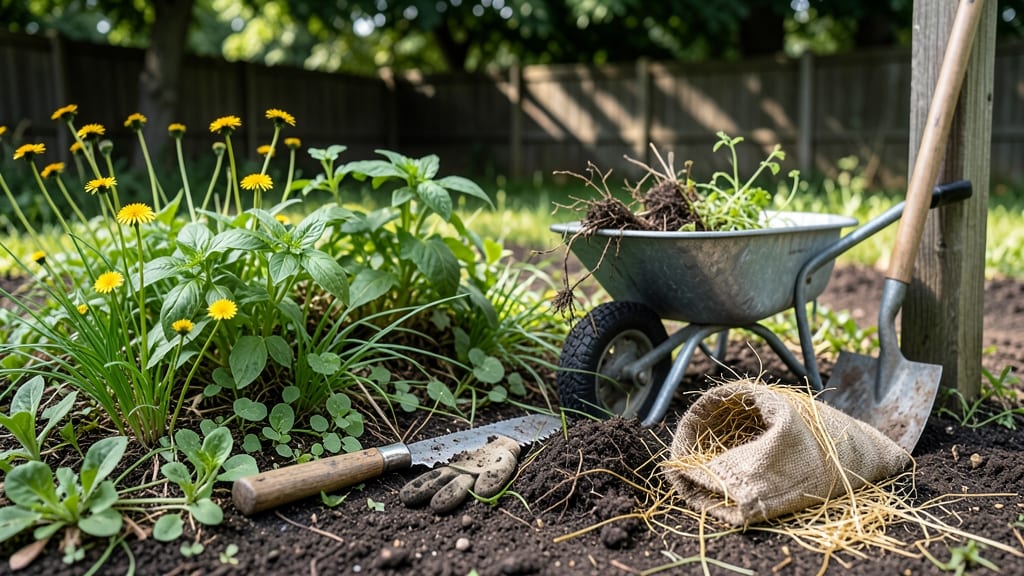
How to weed a garden fast—twisting weeds out in seconds instead of hours? That’s the game-changer I discovered after years of backbreaking hand-pulling. 🌱 The right tool makes all the difference—especially when you’re dealing with deep-rooted dandelions or creeping Charlie that seem to multiply overnight. I’ve tested everything from hoes to specialized weed pullers, and this method cuts weeding time by 75% while keeping regrowth to a minimum.
You’ll need just three things: a sturdy twist-and-pull tool (or a long-handled weeder), a sharp knife or scissors for stubborn roots, and a bucket for the weeds you’ve removed. Timing matters too—work when the soil is moist (after rain or watering) so weeds slide out cleanly.
The secret? Twisting the tool to break roots at the soil line, then yanking upward with a sharp motion. It’s faster than hoeing and far more effective than gloved hands.
Within 10 minutes, you’ll clear a space that would’ve taken 45 minutes by hand. The tool’s design lets you target weeds without disturbing surrounding plants, and the roots stay in the soil less time to regrow.
Plus, you’ll avoid the knee pain that comes from bending over for hours. For stubborn patches, add a layer of mulch afterward to block new weeds before they sprout.
This method works for vegetable gardens, flower beds, and even sidewalk cracks. The key is consistency—dedicate 15 minutes every few days to stay ahead of weeds, and you’ll spend less time battling them and more time enjoying your garden. Trust me, your back (and your lawn) will thank you.
📚 In This Guide
- What you need
- Instructions
- Tips and common mistakes
- Wrapping up and next steps
What you need
- ● Twist-and-Pull Weeding Tool: A sturdy, ergonomic tool designed to grip and twist out weeds—especially great for stubborn roots. Look for one with a comfortable handle and a sharp, serrated edge.
- ● Gardening Gloves: A pair of durable, breathable gloves (e.g., nitrile-coated or leather) to protect your hands from thorns, dirt, and blisters. Opt for a snug fit for better dexterity.
- ● Knee Pads or Pad: A cushioned knee pad or a foldable garden kneeler to save your joints while you work. Choose one with a non-slip base for stability.
- ● Garden Trowel or Small Shovel: A 5-inch stainless steel trowel for digging out larger weeds or loosening stubborn roots.
- ● Bucket or Wheelbarrow: A 5-gallon bucket or a small wheelbarrow to collect weeds and debris. Line it with a trash bag for easy disposal.
- ○ Pruning Shears: Optional but handy for snipping weeds at the base or trimming larger plants if needed.
- ○ Water Spray Bottle (optional): A 1-gallon spray bottle with water to mist weeds before pulling—they’ll come out easier!
- ● Weed Torch: For spot-treating stubborn weeds with heat (great for driveways or pathways). Use in dry conditions only!
- ● Vinegar or Natural Herbicide: A 5% acetic acid vinegar solution (1 part vinegar to 1 part water) for organic weed control. Spray on sunny days.
- ● Sun Hat & Sunglasses: Protect your eyes and scalp from the sun during long weeding sessions.
- ● Portable Stool: A lightweight, foldable stool for taking breaks without straining your back.
Step-by-Step instructions for weeding a garden fast
Here's how to clear weeds in record time using a simple twist-and-pull motion.
🌱 Step 1: Choose the Right Time and Conditions
Mornings after dew has dried are ideal—soil is moist enough to grip roots but not muddy. Avoid working when soil is bone-dry or compacted, which makes pulling harder and can damage plants. I always check by pressing my thumb into the soil—if it springs back slowly, it's perfect for weeding.
Focus on areas with the most weeds first. You'll see stubborn patches where weeds grow thickest—those need your attention before they spread. Clear a small section at a time to maintain momentum and avoid fatigue.
✂️ Step 2: Use the Twist-and-Pull Tool Technique
Insert the tool's forked end into the soil at a 45-degree angle, about 1 inch from the weed's base. Push down until you feel resistance—this is where the roots anchor. The twist-and-pull motion is key: twist the tool quarter-turn clockwise, then pull upward sharply.
You'll hear a satisfying pop when the root breaks free. For deep-rooted weeds like dandelions, repeat the twist-and-pull motion until the entire root comes out. I always inspect the pulled weed—if even a tiny root fragment remains, it'll regrow within days.
💧 Step 3: Clear the Area and Prevent Regrowth
Remove all pulled weeds immediately and place them in a trash bag or compost pile (if your compost doesn't get hot enough to kill weed seeds). I like to work in sections no larger than 3 feet by 3 feet to stay organized and avoid missing spots.
After clearing, water the area lightly to help soil settle and encourage your plants to recover. This also washes away any remaining weed seeds on the surface. For stubborn repeat offenders, apply a layer of 2-3 inches of mulch to block sunlight and prevent new weeds from sprouting.
☀️ Step 4: Maintain Speed and Efficiency
Work in short bursts of 15-20 minutes to keep your energy up and avoid back strain. I set a timer and take breaks every 30 minutes to stretch. Keep a small bucket nearby to collect weeds—it's faster than carrying them to a trash bin repeatedly.
For large garden beds, divide the area into quadrants and tackle one at a time. You'll notice weeds cluster in certain spots—these "hot spots" need extra attention. After clearing, run your fingers over the soil surface to feel for any missed weed stems or seeds.
⏰ Step 5: Schedule Regular Maintenance
Weeds grow fastest when soil is disturbed, so plan to weed once every 2-3 weeks during peak growing season. I mark my calendar with reminders—consistency is the secret to keeping weeds under control without spending hours on it.
Focus on edges of garden beds and walkways first—these are prime real estate for weeds to take over. After each session, take a step back and scan the entire area. You'll spot missed weeds more easily from a distance than while kneeling in the dirt.
Tips & tricks for fast weeding success
Here's what I've learned after clearing weeds from my own garden—these tricks will help you work faster and smarter.
Tool Angle Matters: That 45-degree angle in Step 2 isn't just random—it's the sweet spot for maximum leverage. Push the tool in at this angle, then twist slightly deeper before pulling. I've found that shallow angles make weeds break off at the surface, leaving roots behind to regrow. For extra stubborn weeds, try rocking the tool gently side-to-side after the twist to loosen the root ball completely.
The 3-Foot Rule: Working in sections no larger than 3 feet by 3 feet (Step 3) keeps you organized and prevents missed spots. I like to visualize each section as a square and mentally check off each quadrant as I go. Pro tip: Use a small garden flag or stake at each corner of your section to mark progress—it's amazing how easy it is to lose track when you're deep in the weeds.
Timing is Everything: The 15-20 minute work bursts in Step 4 aren't just about avoiding fatigue—they're about maintaining your rhythm. Your brain and hands work best when you're in the zone, and that zone lasts about 15-20 minutes before you start missing weeds. Set a timer and stick to it. I've found that when I push beyond 20 minutes, my attention wanders and I start seeing "almost weeds" that don't actually need removal.
Mulch Strategy: The 2-3 inches of mulch mentioned in Step 3 is your secret weapon against regrowth. I've had success with both organic mulches (like straw) and inorganic options (like landscape fabric). For vegetable beds, I use straw because it breaks down and adds nutrients, while for ornamental beds, I prefer landscape fabric for a cleaner look. Apply it immediately after weeding for best results—delaying even by a day gives weeds a chance to sprout.
Pro Tips for Weed A Garden Fast
- Here's what I've learned after clearing weeds from my own garden—these tricks will help you work faster and smarter.
- Tool Angle Matters: That 45-degree angle in Step 2 isn't just random—it's the sweet spot for maximum leverage.
- The 3-Foot Rule: Working in sections no larger than 3 feet by 3 feet (Step 3) keeps you organized and prevents missed spots.
Frequently asked questions
Got questions about speedy weeding? You’re not alone! Here are answers to the most common queries to help you tackle weeds like a pro—no matter your garden size or skill level.
What’s the best time of day to weed for fastest results?
Weed in the early morning or late afternoon when the soil is moist (but not muddy) and temperatures are cooler. Weeds pull out easier, and you’ll avoid the midday heat. Plus, you’ll spot sneaky weeds more clearly when shadows are long!
Can I use a twist-and-pull tool on all types of weeds?
Most twist-and-pull tools work best on small to medium weeds with shallow roots, like crabgrass, dandelions, and chickweed. For deep-rooted invaders (e.g., bindweed or thistles), dig or use a hoe first to loosen the soil, then twist. Always check the tool’s weight limit—bulky weeds may need a second pull!
Is a twist-and-pull tool faster than hoeing or hand-pulling?
Yes!
A twist-and-pull tool cuts weeding time by 30–50% compared to hand-pulling, especially in large beds. Hoeing is faster for flat lawns, but the twist tool wins for precision in garden rows. For speed, pair it with a grubbing hoe for stubborn patches.
What if weeds keep growing back after I pull them?
Persistent weeds often mean roots or seeds remain in the soil. After pulling, check for root fragments—even a 1-inch piece can regrow! For tough repeat offenders, smother with cardboard or mulch, or spot-treat with vinegar (mix 1 gallon vinegar + 1 oz dish soap).
Do I need to wear gloves when using a twist-and-pull tool?
Absolutely!
Weeds like stinging nettle or poison ivy can cause rashes or irritation. Opt for heavy-duty gardening gloves (nitrile or leather) to protect your hands. Pro tip: Wear long sleeves if your garden has thorny weeds or allergens.
Bonus Tip: How often should I weed to stay ahead?
Stick to a weekly 10–15 minute session during peak growing seasons (spring/fall). Weeds grow fastest when they’re young—pull them before they seed! Set a reminder or tie weeding to another habit (e.g., “after watering Wednesdays”).
Wrapping up and next steps
Weeding your garden fast isn’t just about saving time—it’s about reclaiming your space and enjoying a thriving, low-stress garden. 🌱 With the right tools, like a twist-and-pull weeder, you can tackle stubborn roots in seconds and keep your plants happy without the backbreaking work.
Start small, stay consistent, and soon, your garden will be the envy of the neighborhood!
Next step? Grab your weeder, pick a sunny day, and turn that chore into a quick, satisfying task. Your future self (and your plants!) will thank you.