
Flowers
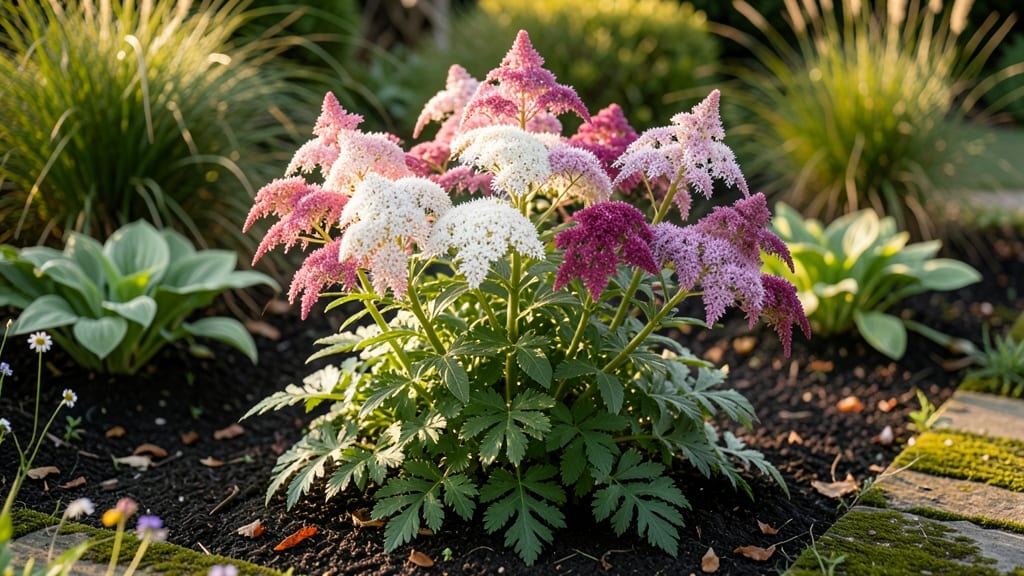
Yes, astilbe is a perennial that dies back to the ground each winter but regrows from its hardy root system in spring, thriving in USDA zones 4-8 with proper care and moisture.
Astilbe earns its place as a perennial thanks to its rhizomatous root system, which stores energy underground during winter dormancy. 🌱 Unlike annuals that complete their life cycle in one season, astilbe survives harsh winters by tucking its roots deep into the soil, then bursts back to life with feathery plumes in spring.
This dieback-and-regrowth cycle is what truly defines its perennial nature.
What makes astilbe particularly resilient is its adaptability to USDA zones 4-8, meaning it can handle everything from Minnesota winters to Southern summers with the right care. The key is protecting its roots—mulching heavily before frost and avoiding soggy soil prevents rot.
Many gardeners mistakenly think astilbe is an annual because the foliage disappears, but those roots are patiently waiting for warmer weather.
💡 In This Article
- Why Astilbe’s Seasonal Dieback Proves Its Perennial Nature
- Caring for Astilbe as a Perennial: Pruning and Winter Prep Tips
Why astilbe’s seasonal dieback proves its perennial nature
Astilbe survives winter through a specialized rhizomatous root system that stores carbohydrates and nutrients underground. These thick, fleshy roots—similar to those of hostas or peonies—act as natural energy reserves, allowing the plant to enter dormancy when temperatures drop below 20°F.
The above-ground foliage yellows and dies back, but the roots remain alive, protected by the soil's insulating properties. This process is identical to how daylilies or coneflowers overwinter, proving astilbe's true perennial status.
The regrowth mechanism begins in early spring when soil temperatures reach 45-50°F. New shoots emerge from the rhizomes, drawing on stored energy to produce the familiar feathery plumes. What's fascinating is how quickly this happens—within 2-3 weeks of consistent warmth.
Gardeners often mistake this dieback for death, but the roots are simply conserving energy until conditions improve. Unlike annuals that complete their life cycle in one season, astilbe's roots can persist for 5-10 years or longer with proper care.
Cold hardiness varies slightly by cultivar, but most astilbe varieties thrive in USDA zones 4-8, meaning they can withstand -30°F temperatures when properly mulched. The key difference between hardy and tender perennials lies in their root insulation—astilbe's rhizomes are naturally adapted to freeze-thaw cycles.
For example, 'Fanal' astilbe handles zone 4 winters better than 'Deutschland', which prefers zone 5+. This variation explains why some gardeners in colder climates need extra winter protection like 6-8 inches of mulch.
What sets astilbe apart from other perennials is its post-bloom dormancy strategy. After flowering, the plant focuses energy on root development rather than seed production, ensuring survival through winter. This trait makes astilbe particularly valuable for gardeners seeking low-maintenance, long-lived plants.
The trade-off? Its delicate foliage is more susceptible to late spring frosts than hardier perennials like sedum, which is why timing your planting matters—late spring or early fall gives roots time to establish before winter.
Botanically, astilbe's perennial nature is confirmed by its classification in the Saxifragaceae family, which includes many other hardy garden perennials. The genus Astilbe contains over 20 species, all sharing this rhizomatous growth habit.
For comparison, annuals like zinnias or marigolds would never regrow from roots—they complete their entire life cycle in one season. Astilbe's ability to return year after year with minimal intervention is what truly defines it as a perennial, not just a long-lived annual.
One common misconception is that astilbe's dieback means it's dying. In reality, this is a protective adaptation—the plant is simply conserving resources. Think of it like a bear hibernating: the foliage "dies" to preserve energy, while the roots remain active and ready to spring back to life.
This cycle is what allows astilbe to outlive many other ornamental plants in the garden, often thriving for decades with proper care. 🌱