
Companion Plants
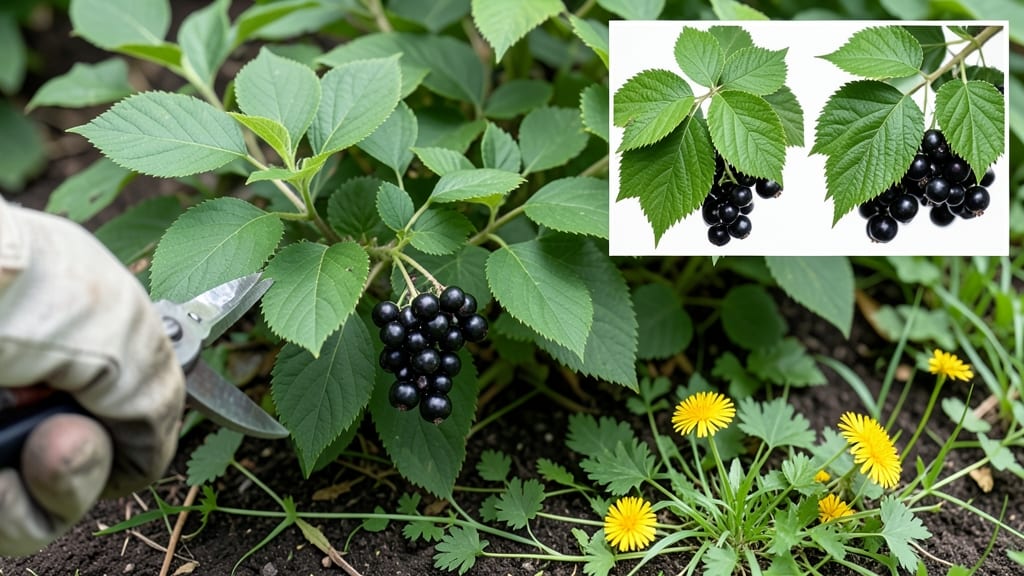
Common elderberry isn't a weed—it's a beneficial shrub with edible berries, medicinal properties, and strong ecological value, though its rapid spread can make it seem invasive in some garden settings.
This shrub thrives in wild and cultivated spaces alike, offering berries used in jams, syrups, and teas while attracting pollinators like bees and birds. 🌿 Unlike true weeds that deplete soil nutrients, elderberry actually improves soil health through its deep roots.
I've seen gardeners intentionally plant it as a living fence—its dense growth provides natural privacy while supporting local ecosystems.
That said, its aggressive root system and prolific seeding can overwhelm smaller gardens, which is why many gardeners prefer to manage its growth through strategic pruning rather than eradication. The key is balancing its benefits with its growth habits—think of it as a high-maintenance plant with high rewards.
💡 In This Article
- How Elderberry Differs From True Weeds
- Managing Elderberry Growth in Gardens
How elderberry differs from true weeds
Botanically speaking, elderberry (Sambucus canadensis) is a perennial shrub, not an annual weed, meaning it lives for multiple years—often 10-15 years or more—rather than completing its life cycle in a single season.
True weeds like dandelions or crabgrass reproduce rapidly through seeds and spread aggressively by depleting soil nutrients, while elderberry actually improves soil structure through its extensive root system that reaches 3-5 feet deep.
This root system helps prevent erosion and even filters groundwater, a trait completely opposite of how weeds behave.
The growth patterns also differ dramatically. Elderberry spreads primarily through underground rhizomes (horizontal roots) and bird-dispersed seeds, but its expansion is slower compared to true weeds.
For example, a single elderberry plant can produce 1,000-2,000 berries per season, but these require animal consumption to spread—unlike weed seeds that scatter indiscriminately with wind or rain.
The plant’s dense, multi-stemmed structure creates natural habitats for birds, bees, and butterflies, whereas weeds typically offer little ecological value beyond their role in nutrient cycling.
Ecologically, elderberry plays a crucial role in supporting biodiversity. Its spring flowers attract pollinators, while its berries feed wildlife from songbirds to deer. In contrast, most weeds are considered pests because they outcompete desirable plants for sunlight, water, and nutrients.
The key distinction lies in their purpose: elderberry is a functional plant that provides food, medicine, and shelter, while weeds are generally considered nuisances that disrupt garden ecosystems.
Medicinally, elderberry has been used for centuries to boost immunity, reduce inflammation, and treat respiratory infections. Its flowers make elderflower cordial, while the berries are fermented into wine or made into syrup for cold relief.
This multifaceted utility contrasts sharply with weeds, which lack any practical benefits beyond their potential to spread uncontrollably. The confusion often arises because elderberry’s aggressive growth can resemble that of invasive species, but its ecological and human benefits set it apart.
Consider this: elderberry’s leaves are toxic when raw (containing cyanogenic glycosides), but its berries are safe and nutritious when cooked—another trait that separates it from true weeds, which rarely offer any edible or medicinal value.
This duality of being both beneficial and potentially overpowering in gardens is what makes elderberry a fascinating case study in plant classification. 🌿