
Companion Plants
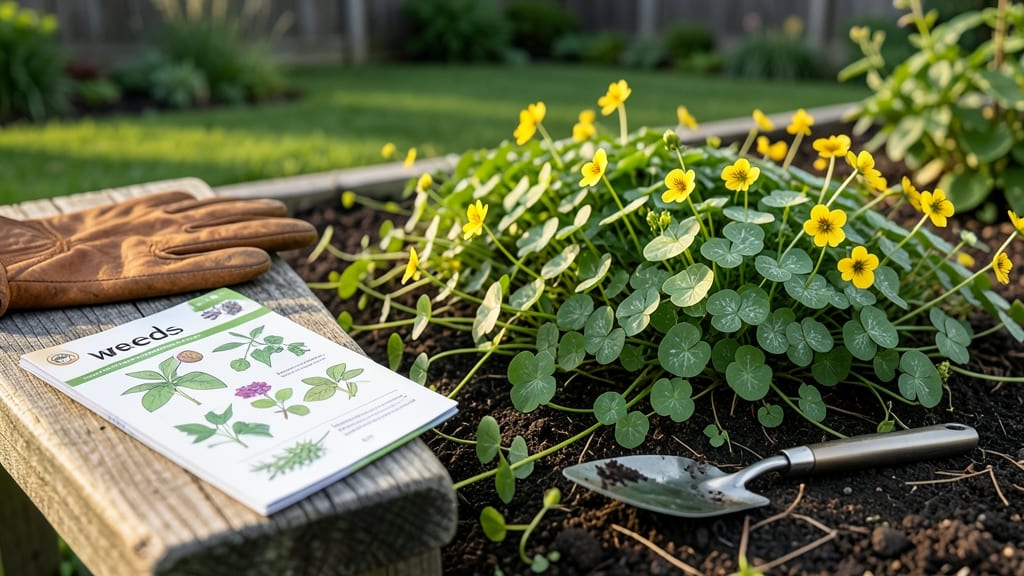
Creeping wood sorrel is considered a weed because of its rapid, spreading growth through underground runners, but its edible leaves—bright green, tangy, and lemony—make it valuable in salads, teas, and cooked dishes for those who appreciate its unique flavor.
This plant’s dual nature stems from its aggressive rhizome system, which lets it spread quickly across lawns and garden beds. 🌱 Many gardeners view it as an unwanted intruder, but its sharp, citrusy flavor—often compared to a mix of lemon and spinach—has earned it a place in culinary circles.
The key is managing its spread while harvesting leaves before it flowers, as the flavor mellows and the leaves become more bitter. I’ve seen gardeners use it as a living mulch in shady areas, tolerating its growth because the leaves are so flavorful.
If you’re curious about using it, start by harvesting young leaves and trying them raw in salads or lightly cooked in soups. The plant’s high oxalic acid content means moderation is key—especially for those with kidney issues—but most people enjoy it in small amounts.
The challenge lies in balancing its weed-like tendencies with its edible benefits, which is why some gardeners actively cultivate it in controlled areas.
💡 In This Article
- Why Creeping Wood Sorrel Spreads Like a Weed
- Edible and Culinary Uses of Creeping Wood Sorrel
Why creeping wood sorrel spreads like a weed
Creeping wood sorrel (Oxalis corniculata) earns its weed reputation thanks to two key botanical features: its extensive rhizome system and prolific seed production. The plant spreads via underground stems called stolons, which can grow up to 12 inches per season under ideal conditions.
These runners develop new shoots at nodes, creating dense mats that crowd out other plants. 🌱 What makes it particularly invasive is how quickly it colonizes disturbed soil—think garden beds, lawn edges, or even cracks in pavement.
The plant’s seed dispersal strategy is equally aggressive. A single creeping wood sorrel plant can produce hundreds of seeds that remain viable for years in the soil. These seeds are tiny but hardy, germinating in a wide range of conditions from partial shade to full sun.
The plant’s ability to thrive in poor soil and tolerate foot traffic makes it nearly impossible to eradicate once established. This is why it’s often found in urban areas and along pathways—it exploits any available space.
Ecologically, creeping wood sorrel outcompetes native ground covers by forming dense mats that block sunlight. Its rapid spread can smother young seedlings of desirable plants, which is why gardeners often view it as a nuisance.
However, this same growth habit makes it surprisingly resilient in shaded areas where many vegetables struggle. The plant’s shallow roots also mean it’s easily disturbed by cultivation, which can actually encourage more growth as it responds to soil disruption.
What most gardeners don’t realize is that this aggressive spread is tied to the plant’s survival strategy in disturbed environments. The same traits that make it a weed—fast growth, extensive root systems, and high seed production—also make it an excellent candidate for erosion control in challenging areas.
Some permaculturists even use it intentionally as a living mulch in shady spots where grass won’t grow.
The plant’s growth pattern explains why it’s so difficult to control. Even when you remove the visible foliage, the rhizomes can regenerate new shoots from just a small fragment left in the soil.
This persistence is what makes creeping wood sorrel such a challenging "weed," yet it’s also why some foragers and gardeners learn to work with it rather than against it. The key is understanding its growth habits to manage it effectively while still enjoying its edible benefits.
Interestingly, the plant’s spread isn’t just about size—it’s also about timing. Creeping wood sorrel germinates in early spring and can produce flowers within just 6-8 weeks under favorable conditions. Each flower cluster contains multiple seeds, and the plant can continue flowering throughout the growing season.
This rapid life cycle means it can quickly dominate an area before other plants have a chance to establish themselves. 🌿