
Pests
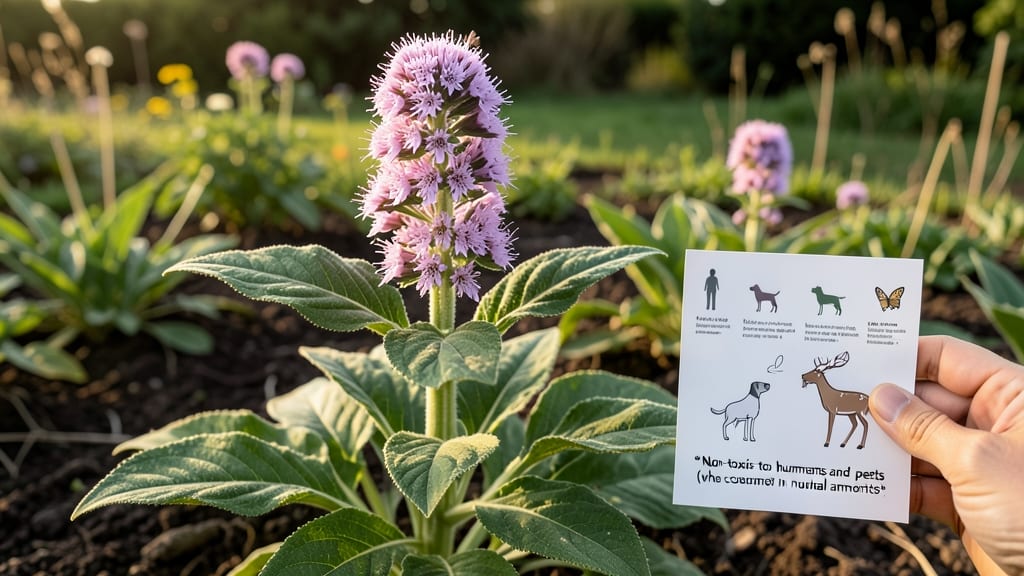
Joe Pye weed is not toxic to humans or pets when grown in gardens, though ingestion in large amounts may cause mild stomach upset. Its sap can irritate skin upon contact, but it is generally considered safe for landscaping and wildlife support.
Joe Pye weed's safety comes from its natural composition—it lacks the toxic compounds found in plants like foxglove or oleander. 🌿 While the plant itself is non-toxic, its sap contains mild irritants that can cause skin redness if handled frequently without gloves.
For pets, the biggest risk comes from large ingestions, which might lead to mild digestive discomfort rather than serious harm. This makes it a popular choice for eco-friendly gardens, as it supports pollinators and birds without posing threats to local wildlife.
To keep both humans and pets safe, I recommend wearing gloves when pruning and rinsing hands afterward. If you have curious pets, simply removing access to the plant prevents accidental nibbling. The plant's benefits—like attracting butterflies and providing late-season nectar—far outweigh any minor risks when grown responsibly.
💡 In This Article
- Joe Pye Weed Toxicity Breakdown for Humans and Animals
- Safe Gardening Practices with Joe Pye Weed
Joe Pye weed toxicity breakdown for humans and animals
Joe Pye weed (Eutrochium spp.) contains no known toxic compounds for humans or animals, making it a safe garden addition. The plant's non-toxicity stems from its lack of alkaloids, glycosides, or other harmful chemicals found in dangerous plants like foxglove (Digitalis) or oleander (Nerium oleander).
Instead, its chemical profile includes compounds like flavonoids and phenolic acids, which actually have antioxidant properties. These beneficial compounds are what attract pollinators and support local ecosystems rather than causing harm.
The mild reactions that can occur—like stomach upset from large ingestions—stem from the plant's high fiber content and natural plant compounds called pyrethrins, which are actually used in some organic pesticides.
When consumed in small amounts (e.g., a few leaves), these compounds are harmless, but 1-2 cups of raw plant material might cause nausea or vomiting in humans due to the sheer volume of indigestible fibers.
For pets, the same principle applies: while not poisonous, large quantities could lead to digestive discomfort rather than systemic toxicity.
Skin irritation from Joe Pye weed's sap occurs due to sesquiterpene lactones, which can act as mild skin irritants—similar to how poison ivy's urushiol oil causes reactions. The irritation typically manifests as redness or itching after prolonged contact, but it's not an allergic reaction.
This is why gardeners handling large quantities should wear nitrile gloves and wash their hands afterward. The irritation is temporary and disappears within 24-48 hours without treatment, unlike the severe reactions caused by toxic plants.
Comparing Joe Pye weed to other popular garden plants highlights its safety. For example, lilies (Lilium spp.) are highly toxic to cats, while daffodils (Narcissus) contain toxic alkaloids that can cause severe vomiting. Joe Pye weed, however, lacks these dangerous compounds, making it a standout choice for wildlife-friendly gardens.
Its tall, purple flower spikes (reaching 3-6 feet) provide late-season nectar for bees and butterflies, while its seed heads offer food for birds—all without the risks associated with more toxic ornamentals.
Even in large doses, Joe Pye weed doesn't cause the same level of concern as plants containing cardiac glycosides (foxglove) or cyanogenic glycosides (cherry pits). The ASPCA and other pet safety organizations classify it as non-toxic, though they do recommend supervision to prevent excessive ingestion.
This makes it an excellent option for families with pets or children who might explore the garden.
What sets Joe Pye weed apart is its dual role as both a safe ornamental and an ecological asset. Unlike many garden plants that require toxic pesticides to thrive, Joe Pye weed naturally repels some pests while attracting beneficial insects.
Its deep root system also helps prevent soil erosion, contributing to healthier garden ecosystems without compromising safety.