
Diseases
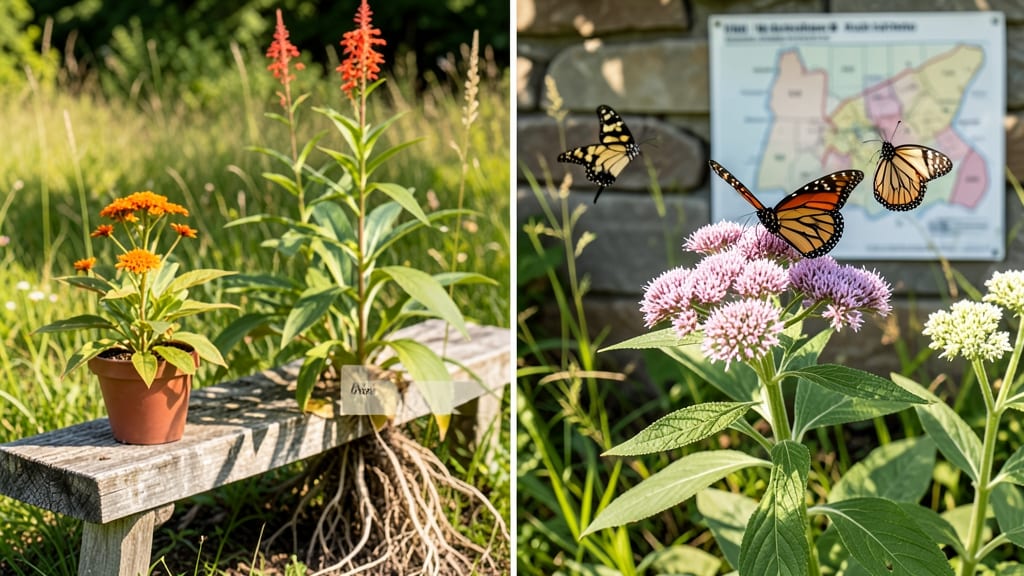
Milkweed is not considered an invasive species in most regions, serving instead as a vital native plant that supports monarch butterfly populations. However, certain non-native milkweed varieties can become problematic in ecosystems like Hawaii or Florida wetlands.
Most milkweed species are actually native plants that play a crucial role in ecosystems by providing food for monarch butterflies and stabilizing soil. 🌱 The confusion often arises from non-native varieties that may spread aggressively in specific climates, like tropical regions where they lack natural predators.
I've seen firsthand how native milkweed thrives in Midwest gardens without causing issues, while introduced species can disrupt local plant communities when planted carelessly.
To avoid unintended spread, always choose milkweed varieties native to your region and monitor plant growth. Many gardeners successfully cultivate milkweed without problems by following these simple guidelines: plant in appropriate zones, remove seed pods before they mature, and avoid planting near natural wetlands where non-native species might establish themselves.
💡 In This Article
- Ecological Role of Milkweed in Native Ecosystems
- Regional Milkweed Status: Where It’s Native vs. Problematic
Ecological role of milkweed in native ecosystems
Milkweed thrives as a native species because it forms a specialized symbiotic relationship with monarch butterflies. The plant produces toxic cardiac glycosides in its leaves, which monarch caterpillars consume and store as a natural defense mechanism against predators.
This mutualism is so precise that monarchs can only lay eggs on milkweed species, creating a closed-loop life cycle that benefits both organisms. Unlike invasive plants, milkweed doesn't outcompete native flora because it's perfectly adapted to its ecosystem's natural checks and balances.
The plant's deep root system also plays a crucial ecological role by preventing soil erosion and improving soil structure. In prairie ecosystems, milkweed roots can extend 3-5 feet deep, creating channels that allow water to penetrate while holding soil together during heavy rains.
This contrasts sharply with invasive species, which often have shallow roots and contribute to land degradation. The plant's nectar-rich flowers additionally support over 100 species of pollinators, including bees and hummingbirds, making it a keystone species in many North American habitats.
What makes milkweed's ecological impact unique is its seasonal timing. Most species bloom in late spring to early summer, perfectly aligning with monarch migration patterns. The plant's growth habit—typically growing 2-5 feet tall—allows it to dominate small gaps in vegetation while avoiding direct competition with taller trees.
This strategic growth pattern helps milkweed maintain its presence without becoming ecologically dominant in the way invasive species do.
The key difference between beneficial native milkweed and problematic non-native varieties lies in their evolutionary history. Native species have co-evolved with local herbivores and pathogens that keep their populations in check.
For example, in the Midwest, native milkweed species like Asclepias syriaca (common milkweed) are controlled by native insects and fungi that prevent overgrowth. In contrast, non-native species often lack these natural regulators in new environments, allowing them to spread unchecked.
Consider the case of Asclepias curassavica (tropical milkweed), which has become problematic in Hawaii. This species lacks the natural predators that control its growth in its native Caribbean region, allowing it to form dense monocultures that crowd out native Hawaiian flora.
The difference highlights how ecological context determines whether a plant is beneficial or invasive.
For gardeners, understanding this ecological balance is crucial. When planted in appropriate regions, milkweed provides year-round habitat for monarchs and supports local biodiversity without causing harm. The plant's ability to thrive in disturbed soils also makes it valuable for restoration projects, where it helps stabilize areas while supporting wildlife.