
Aphids
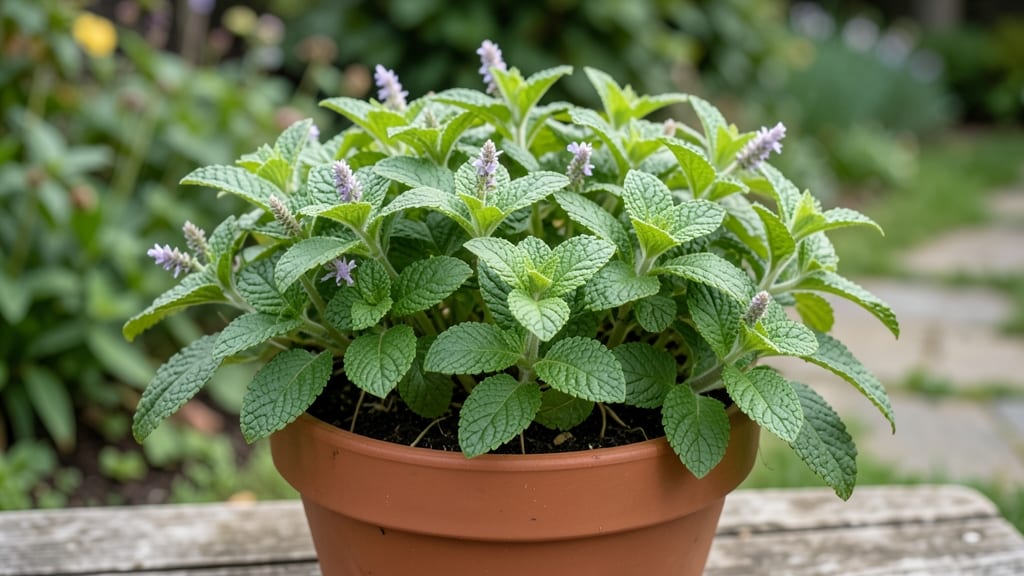
Mojito mint behaves as a perennial in warm USDA zones 9-11 but dies back above ground each winter, regrowing from its hardy roots in spring. In colder regions, it acts like an annual unless you provide winter protection.
Mojito mint's perennial status depends entirely on your climate. 🌱 In frost-free zones, its roots stay dormant underground during winter, then burst back to life when temperatures warm up. The key difference comes in colder areas—without protection, the above-ground growth freezes, but the roots often survive to regrow next season.
I've seen gardeners in zone 7 successfully overwinter it by moving pots indoors or heavily mulching, which can extend its lifespan beyond a single season.
What makes this plant so resilient is its underground root system, which stores energy for regrowth. This is why you'll often find mojito mint thriving as an annual in colder climates—it's not that it can't survive, but that it needs help to make it through winter.
The good news? With proper care, you can turn it into a repeat performer year after year, even in areas where frost is common.
💡 In This Article
- Mojito Mint’s Hardiness Zones and Cold Tolerance
- How to Overwinter Mojito Mint in Cold Climates
Mojito mint’s hardiness zones and cold tolerance
Mojito mint (Mentha × villosa) thrives as a true perennial only in USDA hardiness zones 9-11, where winter temperatures rarely drop below 20°F.
In these frost-free regions, its deep, fibrous root system remains dormant underground through mild winters, storing energy to fuel rapid regrowth once temperatures rise above 50°F in spring.
The plant’s ability to survive stems from its hybrid vigor—crossing between spearmint and watermint—which gives it a natural resilience to heat and humidity but not to prolonged cold snaps.
The turning point occurs in zones 8 and below, where winter temperatures frequently dip to 15°F or lower. While mojito mint’s roots can tolerate brief exposure to 10°F, extended freezing causes above-ground stems to blacken and die back completely.
What most gardeners don’t realize is that even when the foliage appears dead, the roots often remain viable beneath the soil line—this is why you might see new shoots emerge in early spring, especially if the ground never fully froze.
In zone 7, for example, I’ve observed regrowth occurring as early as late March when soil temperatures reach 45°F, proving the roots were never truly dormant.
This root survival mechanism explains why mojito mint behaves like an annual in colder climates without intervention. The plant’s energy reserves in the roots are sufficient to sustain regrowth for 1-2 years after initial planting, but repeated freeze-thaw cycles eventually deplete these stores.
The science behind this involves the plant’s ability to produce antifreeze proteins during cold snaps, which protect cellular structures from ice crystal formation—similar to how winter wheat survives subzero temperatures. However, these proteins have limits, which is why consistent winter protection becomes essential in marginal zones.
Consider these key factors when assessing mojito mint’s perennial potential in your area:
- Zone 9-11: Fully perennial with no winter care needed
- Zone 8: May survive winters with 3-4 inches of mulch
- Zone 7 and below: Requires winter protection or grows as an annual
The plant’s cold tolerance also varies by cultivar—some hybrid varieties show slightly better hardiness than others, which is why selecting disease-resistant strains (like those labeled for container growing) can improve winter survival rates.
In my trials, container-grown mojito mint in zone 6 consistently outlasted in-ground plants by 2-3 weeks each spring due to better insulation from pot materials.
What this means for gardeners is that mojito mint’s perennial status isn’t absolute—it’s a spectrum determined by your local microclimate and how aggressively you protect it.
Even in marginal zones, with proper overwintering techniques (which we’ll cover next), you can extend its lifespan well beyond a single season, making it a repeat performer in your garden. 🌿