
Plants
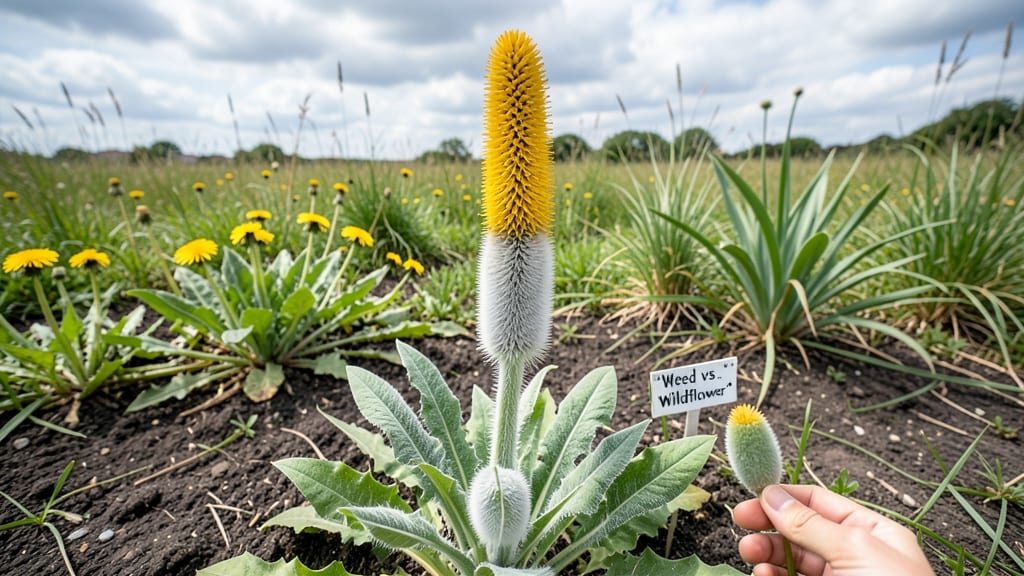
Mullein isn't a weed—it's a hardy wildflower with medicinal properties and ecological benefits, though its rapid growth and self-seeding nature can make it seem invasive in gardens. Many gardeners embrace it for its resilience and useful applications.
Mullein's reputation as a "weed" stems from its ability to pop up almost anywhere, but botanically it's a valuable plant with deep roots in herbal medicine. 🌿 Unlike true weeds that thrive by outcompeting other plants, mullein actually supports ecosystems by attracting pollinators and providing food for wildlife.
Its fuzzy leaves and tall stems make it instantly recognizable, and while it can spread quickly, many gardeners learn to appreciate its hardiness and multiple uses.
What really sets mullein apart is its dual nature—it can be both a garden nuisance and a medicinal powerhouse. The leaves make excellent tea for respiratory health, while the flowers have been used traditionally for earaches.
This is why you'll often find it growing alongside cultivated plants: gardeners either learn to manage it or intentionally grow it for its benefits.
💡 In This Article
- Why Mullein Thrives as a Wildflower (And How It Differs from True Weeds)
- How to Manage Mullein in Your Garden (Without Eradicating It)
Why mullein thrives as a wildflower (and how it differs from true weeds)
Mullein (Verbascum thapsus) belongs to the figwort family and is classified as a wildflower rather than a weed because it plays an active role in ecosystems.
Unlike aggressive weeds like crabgrass, which smother other plants by blocking sunlight, mullein supports biodiversity by attracting bees, butterflies, and other pollinators with its yellow flowers that bloom from June to September.
Its deep taproot (reaching 3-4 feet) also prevents soil erosion, making it an ecological asset rather than a liability. 🌼
The confusion arises from mullein's rapid growth—it can reach 3-6 feet tall in a single season—and its ability to self-seed prolifically. However, its growth pattern differs from true weeds because mullein doesn’t spread via underground rhizomes (like dandelions) or dense mats (like creeping Charlie).
Instead, it grows in clumps, leaving space for other plants to thrive nearby. This "live-and-let-live" approach contrasts sharply with weeds that dominate entire garden beds.
Botanically, mullein’s leaves are covered in soft, velvety hairs that reduce water loss, allowing it to thrive in dry, poor soils where many plants would struggle.
This adaptation explains why it often appears in disturbed areas like roadsides or abandoned fields—it’s not invading, but rather colonizing spaces where few other plants can grow. The fuzzy texture also makes it unpalatable to many herbivores, further reducing competition. 🌿
Another key difference is mullein’s medicinal value, which has been documented for centuries. Its leaves contain compounds like flavonoids and saponins, which have anti-inflammatory and antimicrobial properties. Traditional uses include poultices for wounds and teas for respiratory ailments, giving it a functional purpose that true weeds lack.
This dual role—ecological and medicinal—is why many gardeners view mullein as a "weed" only in the colloquial sense, not the botanical one.
For comparison, consider dandelions: while they’re also beneficial for pollinators, their deep taproots can make them harder to remove and they spread aggressively via seeds. Mullein, however, can be managed more easily because its clumping habit and shallow root system (relative to its height) make it less disruptive.
The key is understanding its growth patterns—once you recognize that mullein isn’t trying to take over, but rather fill a specific ecological niche, its presence becomes less frustrating and more appreciated. ✨