
How To
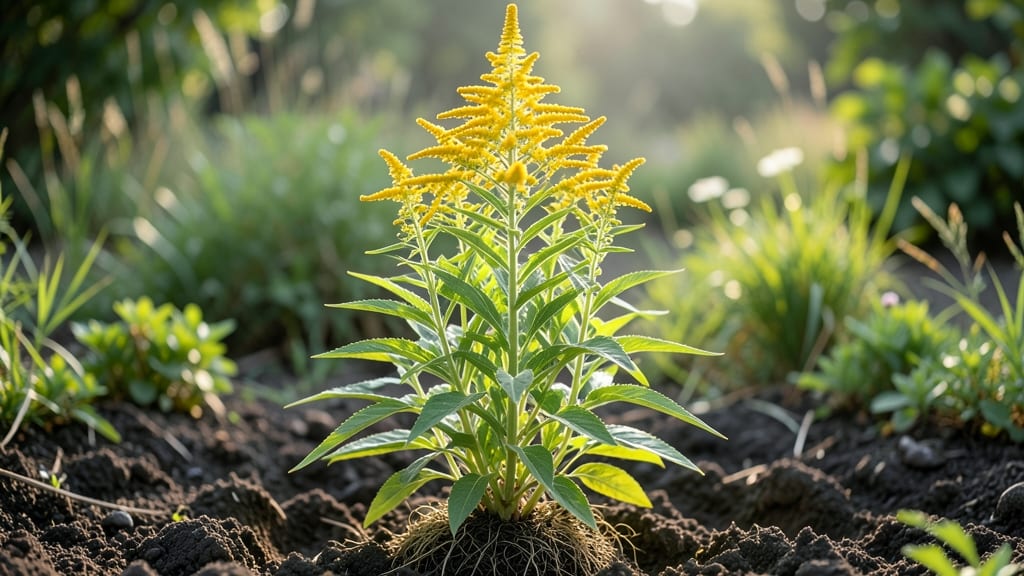
Goldenrod is not a weed but a hardy perennial often mistaken for one due to its late-summer blooms and tendency to spread. It supports pollinators, thrives in poor soil, and serves as a natural border plant in gardens when managed properly.
Goldenrod's reputation as a weed stems from its vibrant yellow flowers and rapid growth, which some gardeners find overwhelming. 🌼 In reality, it's a pollinator magnet, attracting bees and butterflies that other plants often miss.
Unlike true weeds, goldenrod has deep roots that prevent soil erosion and even improve soil quality over time. The key to managing it lies in strategic planting—place it where its height and spread can be an asset, like along fence lines or in wildflower meadows.
If you're worried about goldenrod taking over, regular pruning after flowering keeps its growth in check while preserving its beauty. Pairing it with slower-growing perennials creates natural boundaries that prevent it from dominating.
Many gardeners discover that goldenrod's benefits—like its drought tolerance and late-season color—far outweigh its occasional tendency to spread.
💡 In This Article
- Why Goldenrod Gets a Bad Reputation as a Weed
- How to Grow Goldenrod in Gardens Without It Overrunning
Why goldenrod gets a bad reputation as a weed
Goldenrod's reputation as a weed actually stems from a mix of botanical science and historical misinformation. The most persistent myth is that it causes hay fever—something it doesn't do.
Ragweed, which blooms at the same time, is the real culprit behind seasonal allergies, but goldenrod's striking yellow plumes make it the scapegoat. Its pollen is too heavy and sticky to become airborne, unlike ragweed's lightweight pollen that travels for miles.
This ecological quirk means goldenrod actually helps reduce allergens by outcompeting ragweed in some landscapes.
The plant's rapid growth and tendency to spread are other reasons for its bad rap. Goldenrod can produce thousands of seeds per plant, which germinate readily in disturbed soils—a trait that makes it thrive in gardens where weeds are unwelcome.
Its deep taproot system (reaching up to 3 feet) allows it to access nutrients and water that shallow-rooted plants can't, giving it an advantage in poor or compacted soil. This same root system also makes it incredibly drought-resistant, surviving where many ornamental plants would fail. 🌱
Historically, goldenrod was often dismissed as a "weed" because it doesn't conform to traditional garden aesthetics. Its 3-5 foot height and dense flower clusters can overwhelm smaller perennials, creating what some call a "wild" look.
However, this same height makes it perfect for naturalizing areas where structure is needed—think meadows, roadside plantings, or the back of borders.
The plant's late-summer blooming period (typically August through October) provides nectar when many other flowers have finished their season, making it a critical food source for bees and butterflies.
What most people don't realize is that goldenrod's spread can actually be managed with simple techniques. Unlike invasive species, it doesn't spread via underground runners or aggressive rhizomes—its seeds are its primary method of reproduction. This means targeted pruning after flowering can significantly reduce seed production.
The plant's ecological benefits—like supporting over 100 species of pollinators—far outweigh its occasional tendency to self-seed, especially when compared to the environmental costs of many ornamental plants that require constant watering and chemical treatments.
Consider this comparison: goldenrod provides continuous bloom time (up to 6 weeks in ideal conditions), while many commercial flowers last only 2-3 weeks and require deadheading. Its ability to thrive in USDA hardiness zones 3-9 without special care makes it an incredibly low-maintenance choice for eco-conscious gardeners.
The key is understanding its natural growth habits and working with them rather than against them.
For those concerned about its spread, goldenrod's benefits as a pollinator plant and soil stabilizer make it a valuable addition to any landscape. In fact, many native plant nurseries now promote goldenrod as a "must-have" for wildlife gardens.
Its mislabeling as a weed is a perfect example of how appearance and timing can create lasting misconceptions in gardening—especially when the truth requires looking beyond the surface. 💫