
Advice
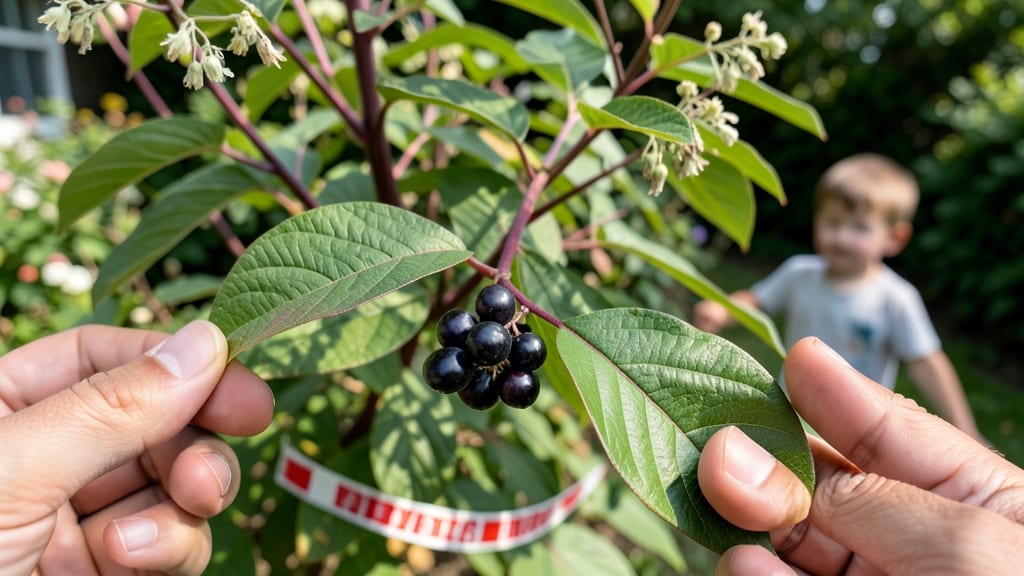
Pokeweed is poisonous to humans, containing dangerous compounds like phytolaccatoxin and saponins that trigger severe vomiting, diarrhea, and skin irritation when ingested or touched. Every part of the plant poses risks, with berries and roots being particularly lethal in large quantities.
This toxic plant isn't just dangerous to eat—its sap can also cause skin reactions, and even brief contact may lead to irritation. 🌿 The berries, often mistaken for edible fruits, are especially hazardous, containing enough toxins to cause serious health issues if consumed.
I always recommend treating pokeweed with extreme caution, especially in garden settings where accidental ingestion could occur.
What makes pokeweed particularly insidious is how easily its attractive purple berries can be confused with other plants. While some cultures have historically used pokeweed medicinally in very controlled preparations, modern science confirms these risks outweigh any potential benefits.
If you encounter pokeweed, avoid touching it without gloves and dispose of it properly to prevent accidental exposure.
💡 In This Article
- Toxic Compounds in Pokeweed and Their Effects on the Human Body
- Safe Handling and Removal of Pokeweed in Gardens
Toxic compounds in pokeweed and their effects on the human body
Pokeweed (Phytolacca americana) contains a cocktail of dangerous compounds that target multiple body systems. The most potent toxin, phytolaccatoxin, acts as a powerful emetic—triggering violent vomiting within 30-60 minutes of ingestion.
This compound also damages cell membranes, particularly in the gastrointestinal tract, causing severe inflammation and internal bleeding in extreme cases. The plant's saponins (like phytolaccagenin) create soapy lather when mixed with water, but in the body, they disrupt cell function by binding to cholesterol in cell membranes.
The toxicity varies dramatically across plant parts. Berries contain the highest concentration of phytolaccatoxin—just 5-10 berries can cause symptoms in children, while adults might need 20-30 for noticeable effects. The roots (traditionally used in some cultures) are even more dangerous, containing 10-15 times more phytolaccatoxin than leaves.
Even the leaves, when cooked, can release toxins that mimic ricin in their cellular damage, though at lower potency. The plant's purple sap contains lectins that cause skin irritation upon contact, forming blisters within 12-24 hours in sensitive individuals.
Physiologically, pokeweed's toxins create a two-phase attack. First, the gastrointestinal system bears the brunt: nausea, diarrhea, and abdominal cramps begin within 1-6 hours due to membrane disruption. Then, as toxins circulate, neurological symptoms emerge—headaches, dizziness, and even seizures in severe poisonings.
The kidneys and liver may show damage from prolonged exposure, with studies showing increased alanine aminotransferase (ALT) levels in animal models after ingestion. 💀 What's alarming is how quickly symptoms escalate: a 5-year-old child once required hospitalization after eating just 15 berries, with symptoms lasting 48 hours.
Interestingly, the plant's toxicity isn't uniform—it peaks during late summer to fall when berries ripen, but even wilted leaves retain 60% of their phytolaccatoxin. This persistence explains why pokeweed remains hazardous even after drying.
The roots, however, lose potency when stored for over 6 months, though they never become completely safe. Traditional preparations that claim to "neutralize" toxins through fermentation or cooking often fail because these methods don't break down phytolaccatoxin's molecular structure.
To put this into perspective, pokeweed's toxicity rivals that of castor beans (which contain ricin) but with a broader range of symptoms. While ricin primarily targets protein synthesis, pokeweed's phytolaccatoxin attacks multiple organ systems simultaneously.
This dual mechanism makes pokeweed particularly dangerous in accidental poisonings, where victims might not seek medical help quickly enough. The World Health Organization classifies pokeweed as a Category 3 toxic plant—one that requires immediate medical intervention.
Here's what happens at the cellular level: phytolaccatoxin binds to sodium-potassium pumps in cell membranes, disrupting the electrolyte balance that cells rely on for function. This explains the muscle weakness and irregular heartbeat seen in severe cases.
The saponins, meanwhile, create pore-like structures in cell membranes, allowing fluids to leak out—a process similar to how detergents damage cell integrity. Together, these effects create a domino reaction of organ failure if untreated.
The good news? Pokeweed's toxins are not fat-soluble, meaning they don't accumulate in body fat over time. However, this also means they're not easily excreted—they require activated charcoal or gastric lavage for removal.
Always treat suspected pokeweed poisoning as a medical emergency, as delays can be fatal. 🚨