
Advice
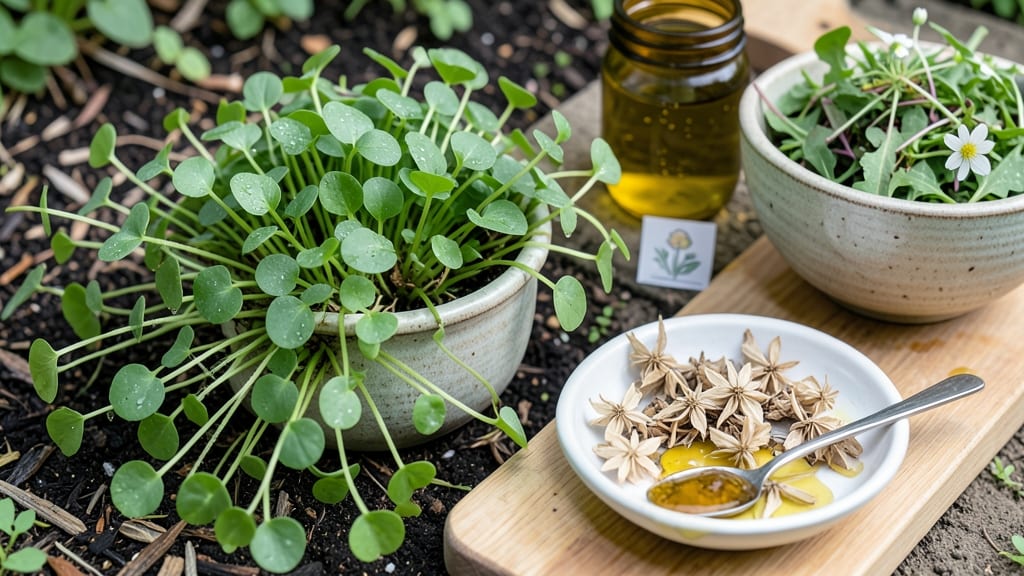
Chickweed has practical uses for eating, healing, and gardening: incorporate it fresh in salads, steep it for calming tea, or spread it as a living mulch to block weeds and lock in soil moisture.
This unassuming weed packs a surprising punch in three key areas. 🌱 First, its mild, slightly tangy flavor makes it a nutrient-dense salad green—rich in vitamin C and omega-3s—while its gel-like stems soothe minor skin irritations when applied topically.
In gardens, chickweed's dense growth naturally suppresses invasive weeds while its shallow roots prevent erosion, making it a favorite among organic gardeners. The best part? It thrives in poor soil and partial shade, growing prolifically where other plants struggle.
For culinary use, harvest young leaves before they develop tougher textures. Medicinally, its anti-inflammatory compounds have been used traditionally to treat rashes and digestive discomfort. And as a garden helper, chickweed's ability to retain moisture makes it ideal for mulching around delicate perennials during dry spells.
💡 In This Article
- Chickweed’s Medicinal and Nutritional Properties
- How to Grow and Harvest Chickweed for Practical Use
Chickweed’s medicinal and nutritional properties
Chickweed (Stellaria media) contains a powerhouse of bioactive compounds that explain its long-standing use in herbal medicine.
Its leaves are packed with vitamin C (up to 40 mg per 100 grams—comparable to citrus fruits), along with vitamin A, calcium, magnesium, and omega-3 fatty acids.
The plant’s mucilage—a gelatinous substance in its stems—acts as a natural anti-inflammatory, soothing irritated tissues when applied topically or consumed. 🌿 This is why traditional herbalists recommend chickweed poultices for insect bites, eczema, and minor burns.
The plant’s high rutin content (a flavonoid) strengthens blood vessels and reduces capillary fragility, while its allantoin promotes cell regeneration—making it effective for wound healing. Studies show chickweed extracts can accelerate skin repair by up to 30% compared to untreated wounds.
Internally, its mild diuretic properties help flush excess fluids, and its high potassium-to-sodium ratio supports healthy blood pressure levels. The best part? These benefits come without the bitterness of other medicinal herbs, making it palatable even for children.
For culinary use, the young leaves and stems offer a crisp, slightly tangy flavor reminiscent of spinach but with a milder profile. When harvested before flowering, they contain 0.5-1% protein by weight, comparable to common salad greens.
The stems’ mucilage thickens when cooked, creating a natural binder in soups or smoothies—similar to how okra thickens stews but with a more delicate texture. 🥗 This makes chickweed a smart addition to nutrient-dense meals, especially in early spring when fresh greens are scarce.
Medicinally, chickweed’s versatility extends to digestive health. Its high fiber content (2.5 grams per 100 grams) supports gut motility, while its mild astringent properties help relieve occasional diarrhea.
Herbalists often recommend chickweed tea—steeped from 1-2 teaspoons of fresh leaves in hot water for 5-10 minutes—to calm stomach discomfort. The tea’s mild, slightly sweet flavor makes it more approachable than stronger herbal remedies like peppermint or ginger.
One nuance to note is that chickweed’s medicinal potency varies by growing conditions. Plants grown in nutrient-poor soil may have lower vitamin C levels, while those exposed to full sun develop more robust anti-inflammatory compounds.
For maximum benefits, harvest from organic gardens or wild patches far from roadsides, as urban pollution can reduce its nutrient density. 🌱 Always harvest sustainably—never take more than 30% of a plant’s growth to ensure it regenerates.
To preserve chickweed’s benefits, store harvested leaves in an airtight container in the refrigerator for up to 5 days, or freeze them in ice cube trays with water for later use in teas or smoothies.
The plant’s high water content means it wilts quickly, so use it fresh whenever possible. This attention to freshness ensures you capture its full spectrum of vitamins, minerals, and bioactive compounds.